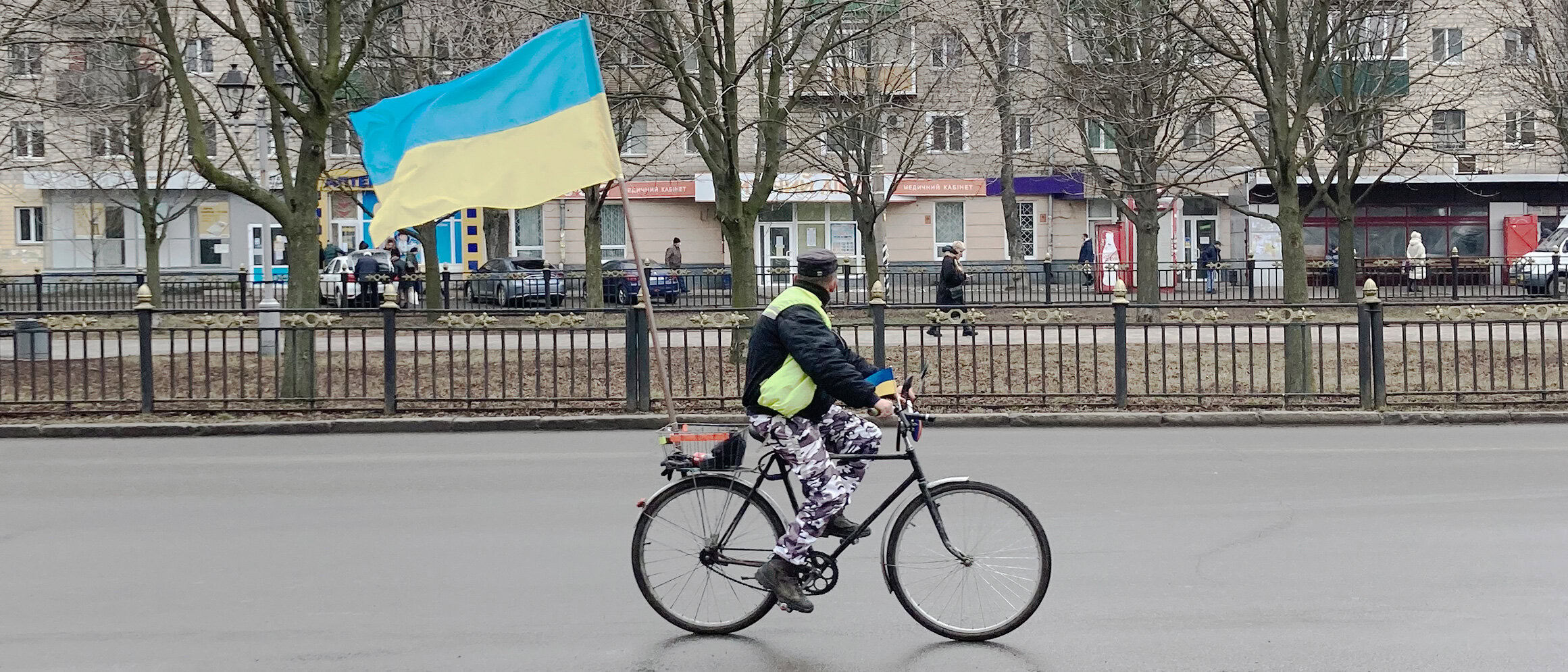
Poltava: the “spiritual capital of Ukraine” or city to be born and die in
Poltava met the war in its usual rhythm, but with an unusual silence. Life here continues by inertia, suspended between indifference, routine and quiet whispers about the future. A city once called the “spiritual capital of Ukraine” has become a place where war is felt not through explosions, but through exhaustion and inner decline. A Poltava native and Frontliner reporter shares her view of the city during wartime.
The tourist route is simple: Korpusnyi Park, the central department store, Sunny Park, and dumplings beneath the white gazebo. The entire city is built in a circle and can be driven around in an hour. The year 2022 should have changed everything. For the first time, young people had nowhere to flee. Poltava became a logistics hub, a transit point for those who had lost everything, but no one was prepared for it. The lack of proper public transport sparked bus driver boycotts. Housing at reasonable prices disappeared. The railway station is filled with abandoned cars. Russian was commonly heard on the streets, accompanied by locals’ comments: “There go those people from Kharkiv again.”
It would be worth recalling that at the same time, Sumy and Kharkiv were being reduced to rubble, and in the region hunters were shooting Russian sabotage groups. Later, this would be called the “Hadiach safari.” But in the city itself, it was quiet. We even joked that the Russians may have entered Poltava but, seeing the ruined center, turned back, thinking they had already been there.
Half a year passes. No new roads appear, but high-rise buildings grow like yeast. New cafes and shops open, and the city buzzes with life for another six months before rapidly emptying out. People from Kharkiv are resettled across the region, many moving farther west or to Kyiv. Not because there was a real military threat in the city, but because of the mismatch between prices and wages, the impossibility of running a business, inconvenient infrastructure and the simple lack of entertainment.
Another year or two later, a military enlistment office from Lviv is sent to the city, stopping minibuses and trolleybuses, saying Poltava is failing to meet mobilization targets. The first female bus and taxi drivers appear. Men are seen only at night.
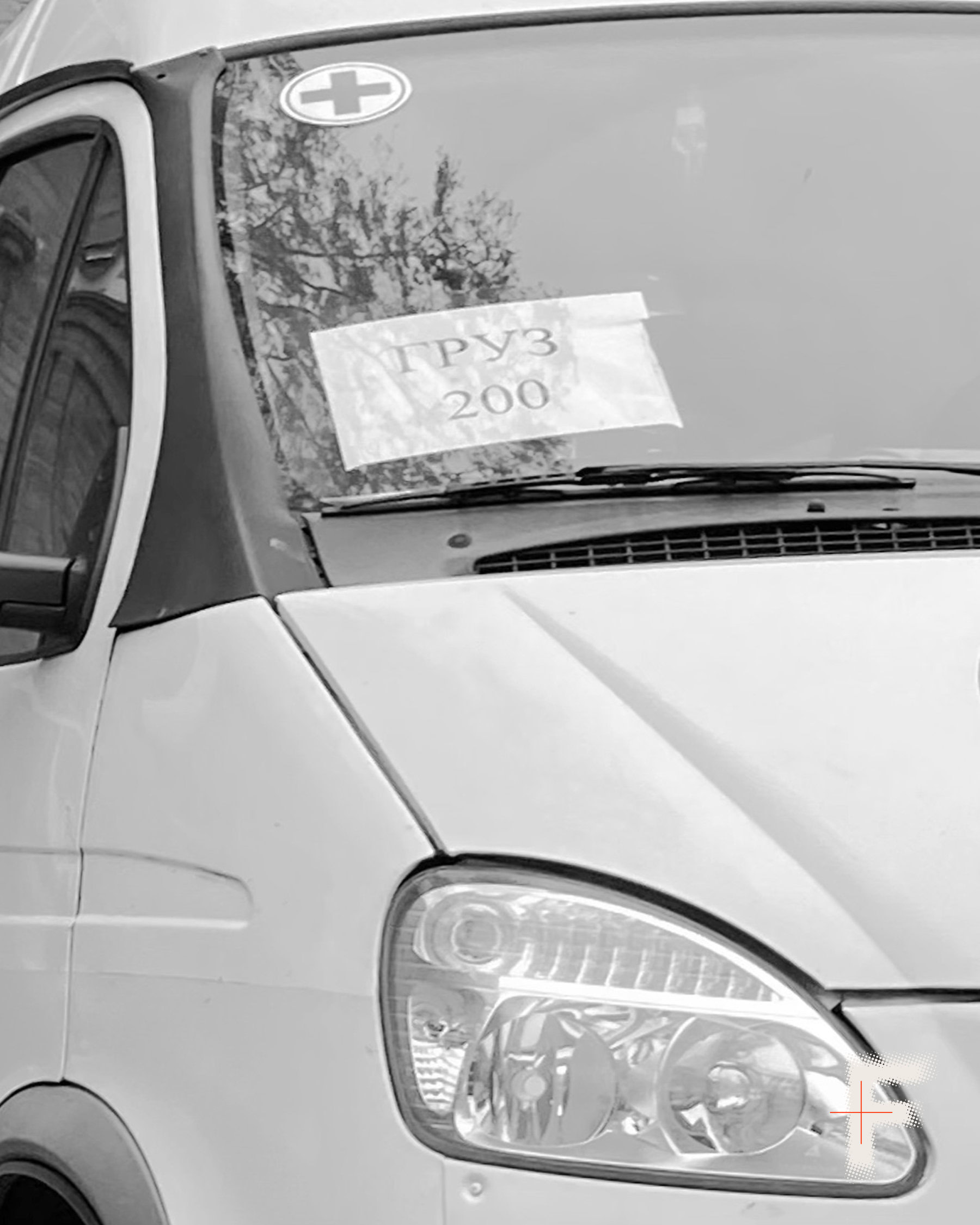
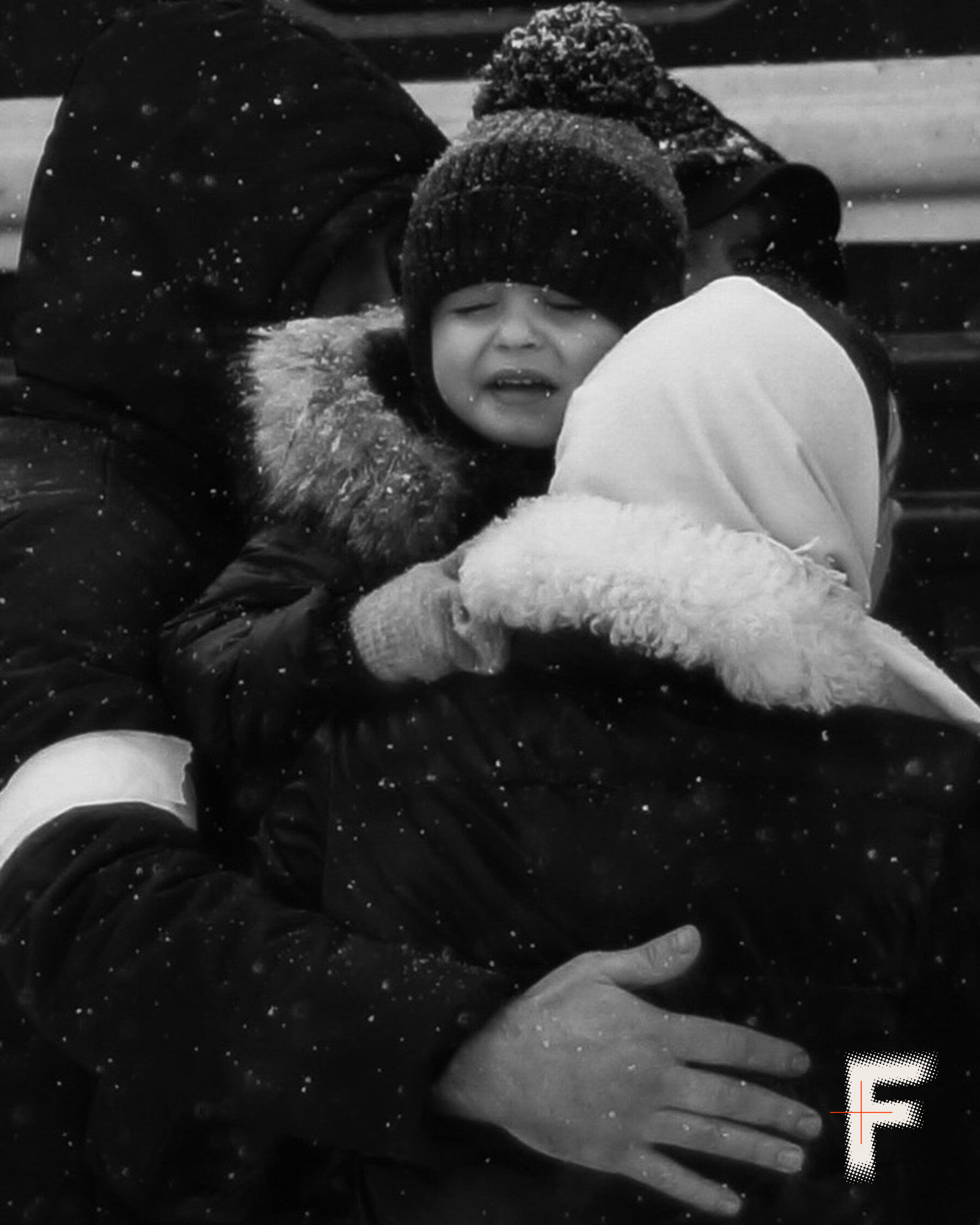
The street leading to my home is lined with hearses and people dressed in black, yet the city remains quiet. The war exists in the hearts of families who lost loved ones and among the first waves of displaced people. But most residents began to truly see it only in 2024–2025, when explosions and casualties reached the city itself.
Poltava is associated with the origins of the modern Ukrainian literary language, fairs, dumplings, and its logistical importance for contemporary Ukraine. But it is also a city of the ruined Cadet Corps, of Illia Kiva as commander of the “Poltavshchyna” battalion, of Oleksandr Mamay — who served as mayor both under President Viktor Yushchenko and under Volodymyr Zelenskyy — and who readily gave television interviews about how “brother turns against brother,” about mythical superpowers fighting on Ukrainian soil.
Poltava is a story of damaged heritage and the blatant desecration of what locals once proudly called the “spiritual capital of Ukraine.” The city is not directly touched by the war in the classical sense of the word, yet it remains enveloped in political intrigue, where officials, whenever possible, don pixelated military uniforms.