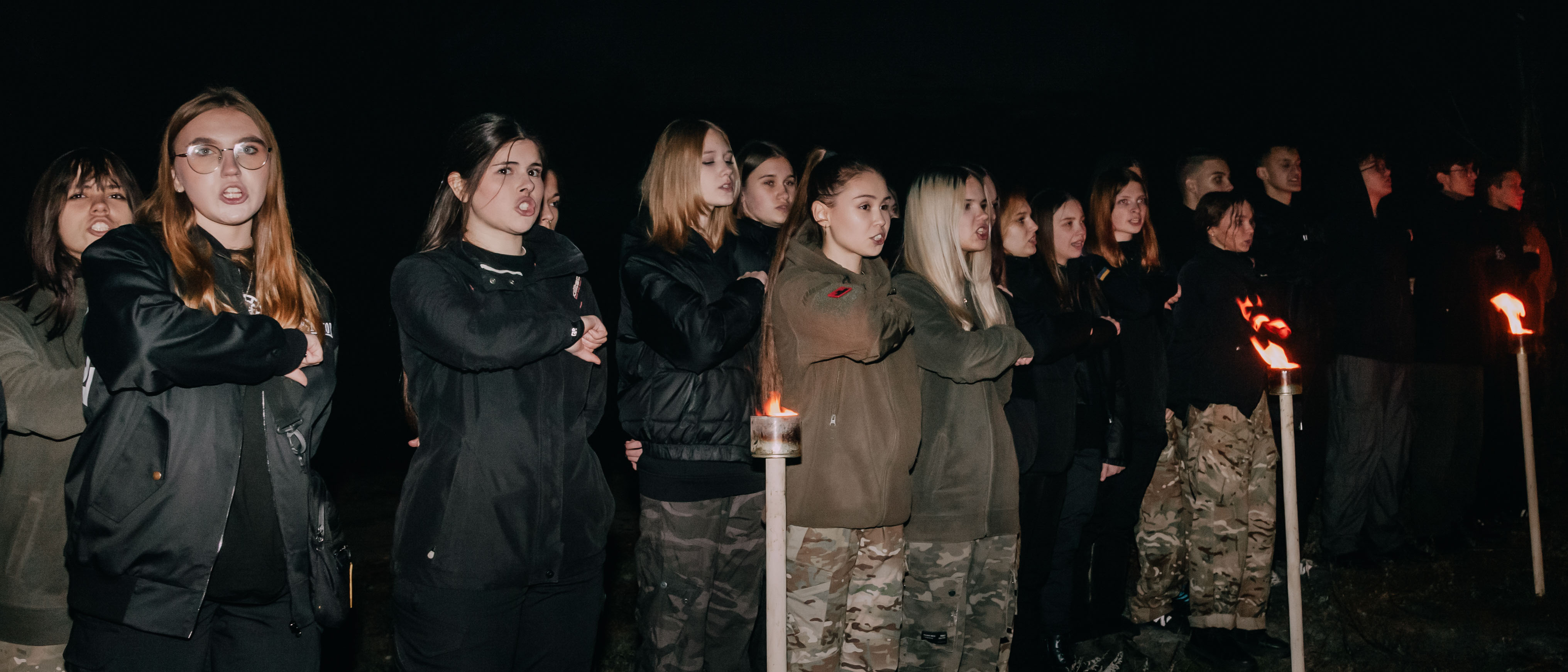
How does patriotic education differ from the militarization of children?
What are the younger generations taught? What is the difference between national-patriotic education and the militarization of children? Seeking answers to these questions, Frontliner reporters visited the celebration of the anniversary of the founding of the public organization “Patriots 1654” and talked with its participants.
Alisa Serpokryl is an 18-year-old student at Kharkiv National Law University. Every day, on her way to the dormitory, the girl passes by an enterprise that was destroyed by shelling. She says she hasn’t paid attention to this view for a long time, as she is used to it.
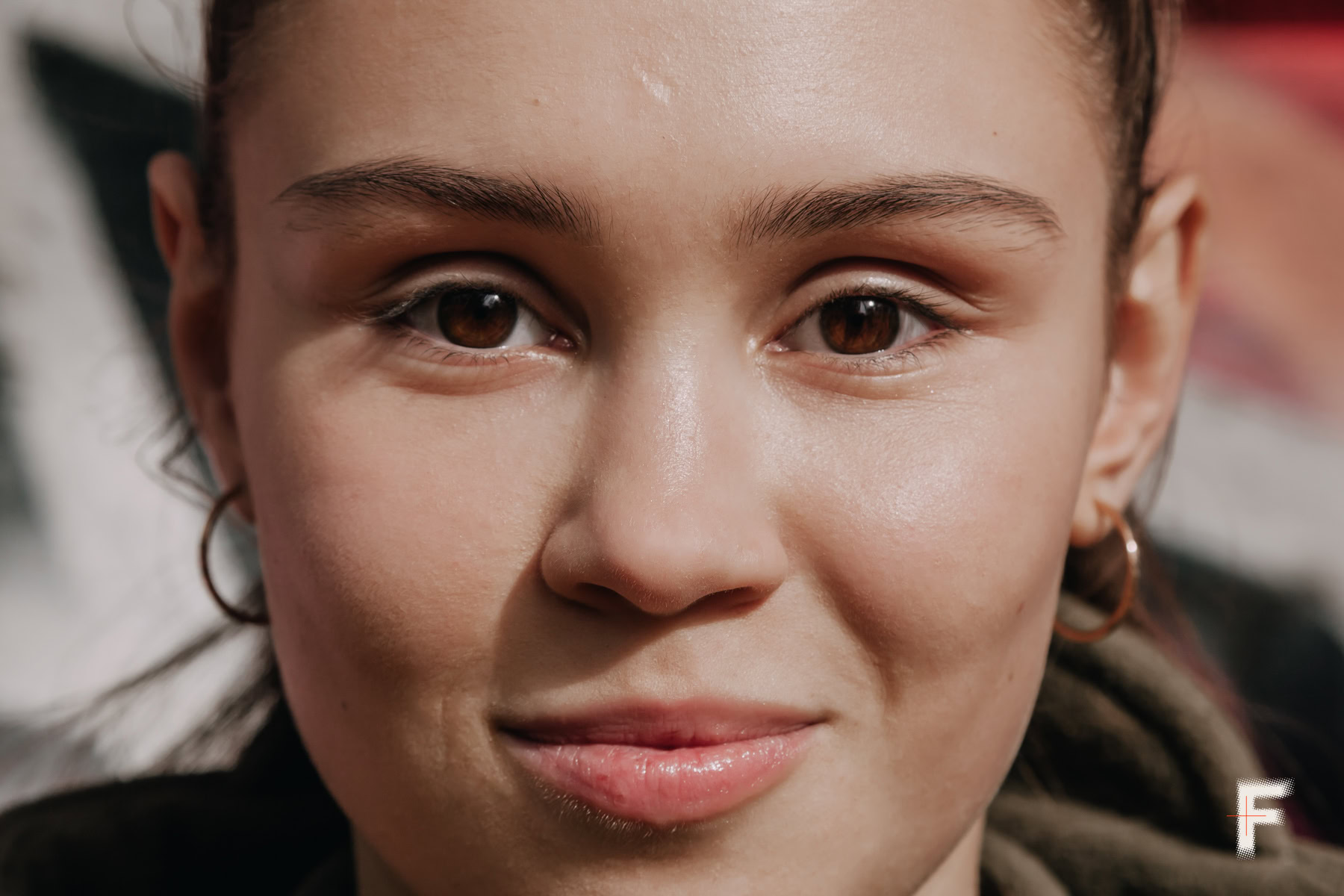
After graduating from school, Alisa dreamed of studying to become a border guard, and she considered law school as an additional option. Due to confusion over the admission requirements, she was unable to gain admission to the border academy. However, even after nearly a year and a half of studying at the law school, she still wants to connect her life with the military and is seeking opportunities to do so.
As a child, Alisa spent a lot of time with her father, listened to his stories about serving in the army, and loved to do things typically performed by men. She says that she was always more interested in tinkering with cars than tending to flowers in the garden. During the full-scale invasion, Alisa frequently communicated with the military personnel who served in her native village. It was their stories and examples that inspired the girl.

The girl says that at school, the subject “Defense of Ukraine” was not taught particularly carefully, consistently, or in a practical manner, but only theoretically. At the university, there are more opportunities to gain practical skills. Alisa plans to take the basic military training at the Department of Reserve Officer Training on the basis of the educational institution. She says that her parents are not against her choice, but on the condition that she first completes her university studies before deciding whether to join the army.
After school: what the future graduate thinks about
A 17-year-old schoolboy from Kharkiv, Yevhenii Elksnit, has completely different plans for the future. He does not yet know what profession he will choose, but he intends to study rather than serve. He says that his goal is a decent university. Yevhenii is convinced that at his age, it is essential to experiment, learn new things, and discover one’s own path.

In the 10th grade, the subject “Defense of Ukraine” appeared in Yevhenii’s school schedule. It was a time when all learning became online learning. Therefore, Yevhenii listened to theoretical information at lectures and admits that it was not very interesting to him.
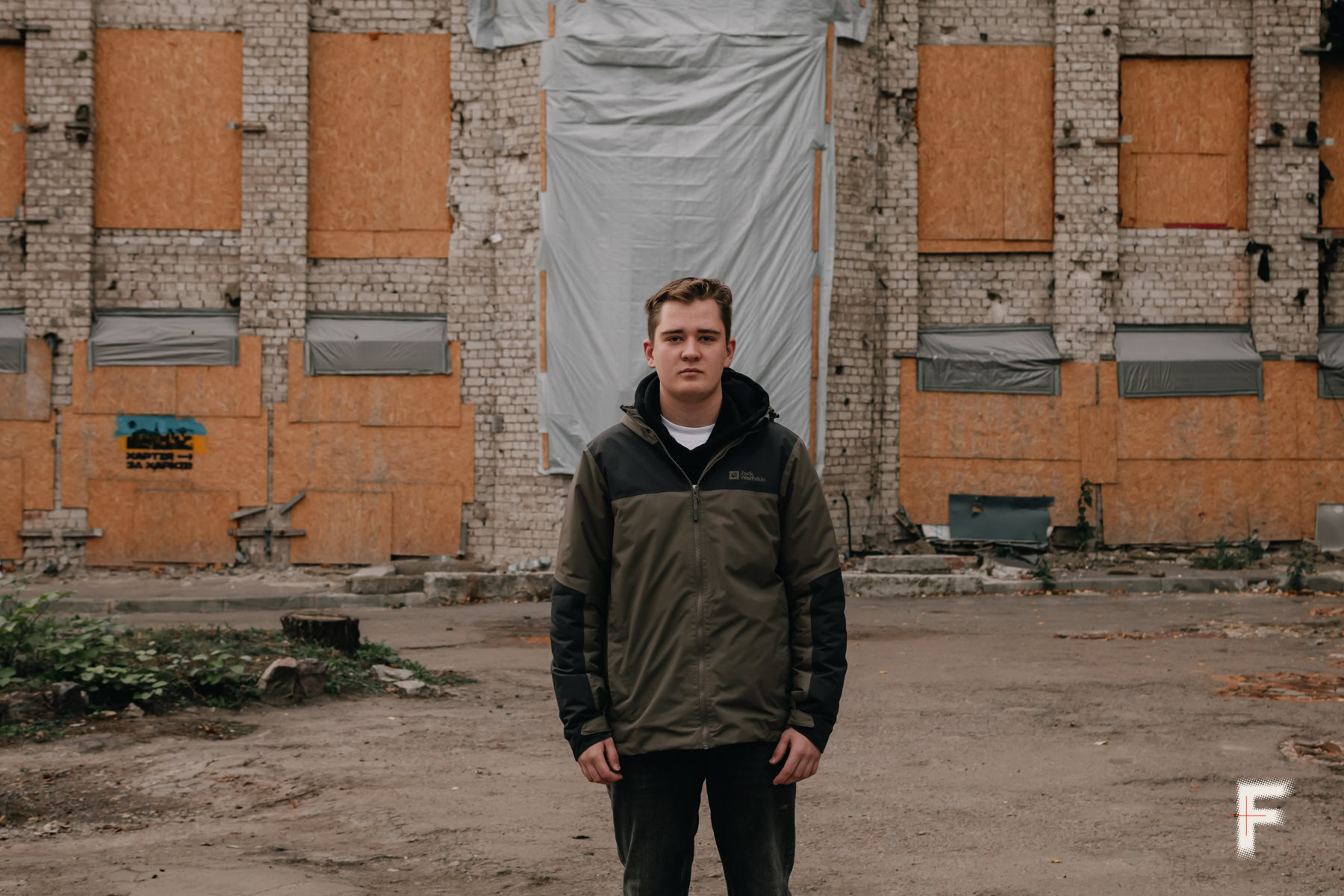
“Did the war change me? Maybe I started to grow up faster,” Yevhenii is not sure.
Outside the system: patriotic education in a public organization
Despite having different plans for the future, Alisa and Yevhenii are members of the same national-patriotic organization, “Patriots 1654”.
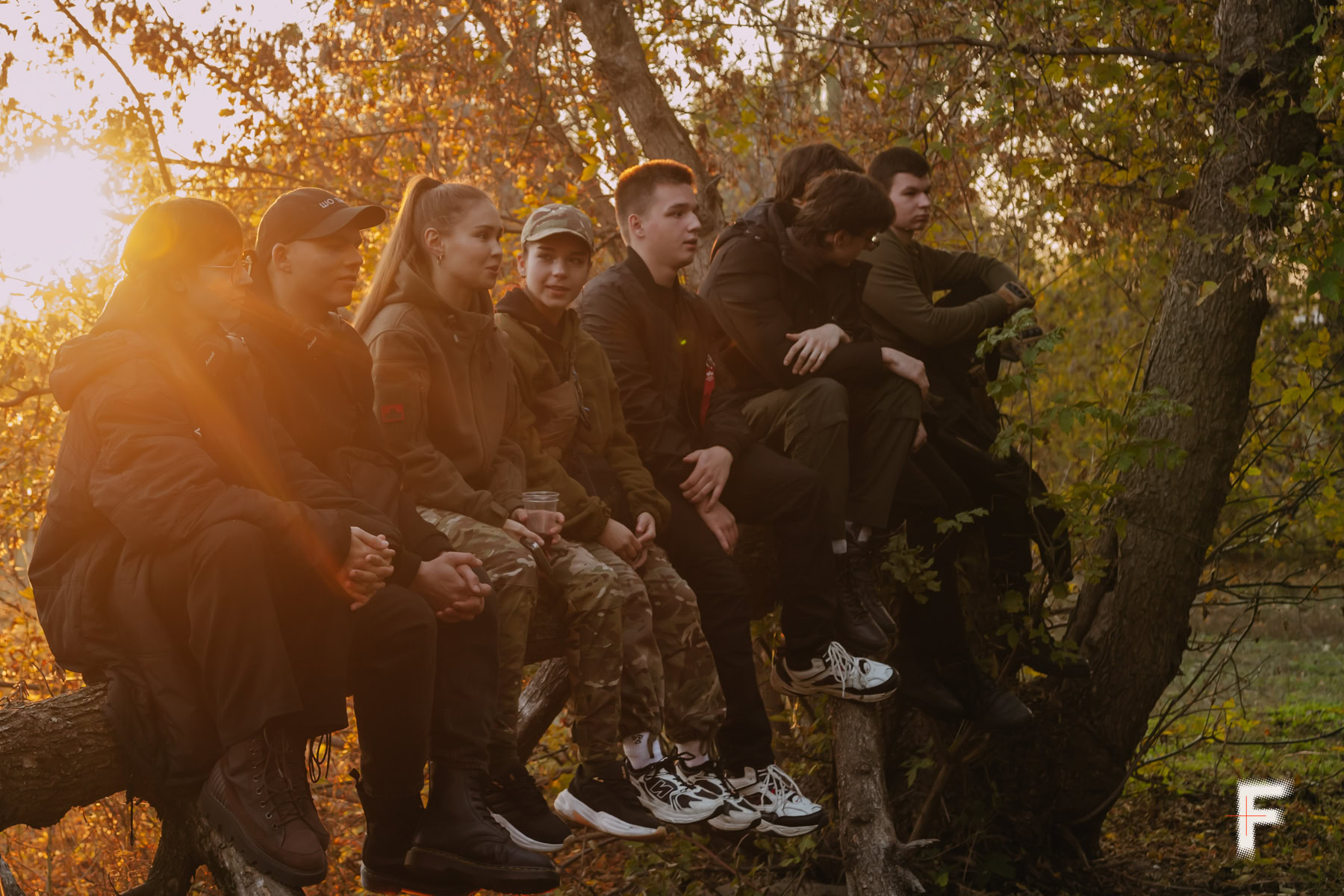
The organization seeks to educate leaders who will go into politics, law, the public sector, and other spheres of public life that shape the state, notes the standard-bearer of “Patriots 1654,” Roman Sydoryk. In his opinion, it is essential to educate young people about how a country is formed under the influence of the choices its citizens make, the potential manipulations that exist, and how to recognize them.

As expected, “Patriots 1654” promotes a healthy lifestyle, which includes a lot of sports. Participants in the movement can engage in various activities, including paintball, boxing, archery, football, and athletics. In addition to sports classes, they offer educational courses in history, ideology, tactical medicine, mine safety, media literacy, management, IT, and public speaking and acting skills. Young people also visit training grounds where they learn to handle weapons and control drones, as well as lectures on engineering and tactics. Professional trainers and teachers conduct the classes, says Anna Tkachenko, head of the communications department of the KRAKEN 1654 Unmanned Systems Regiment.
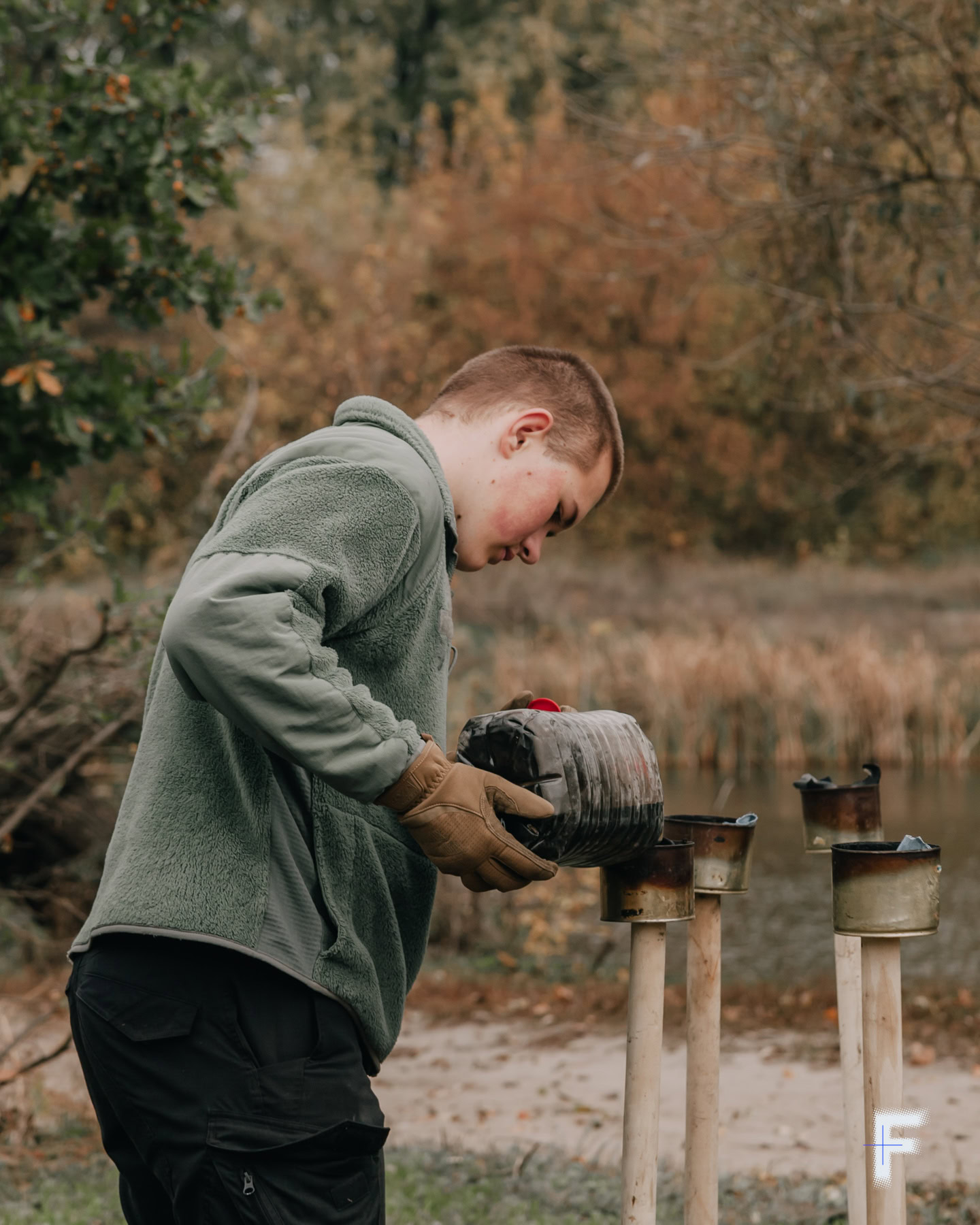
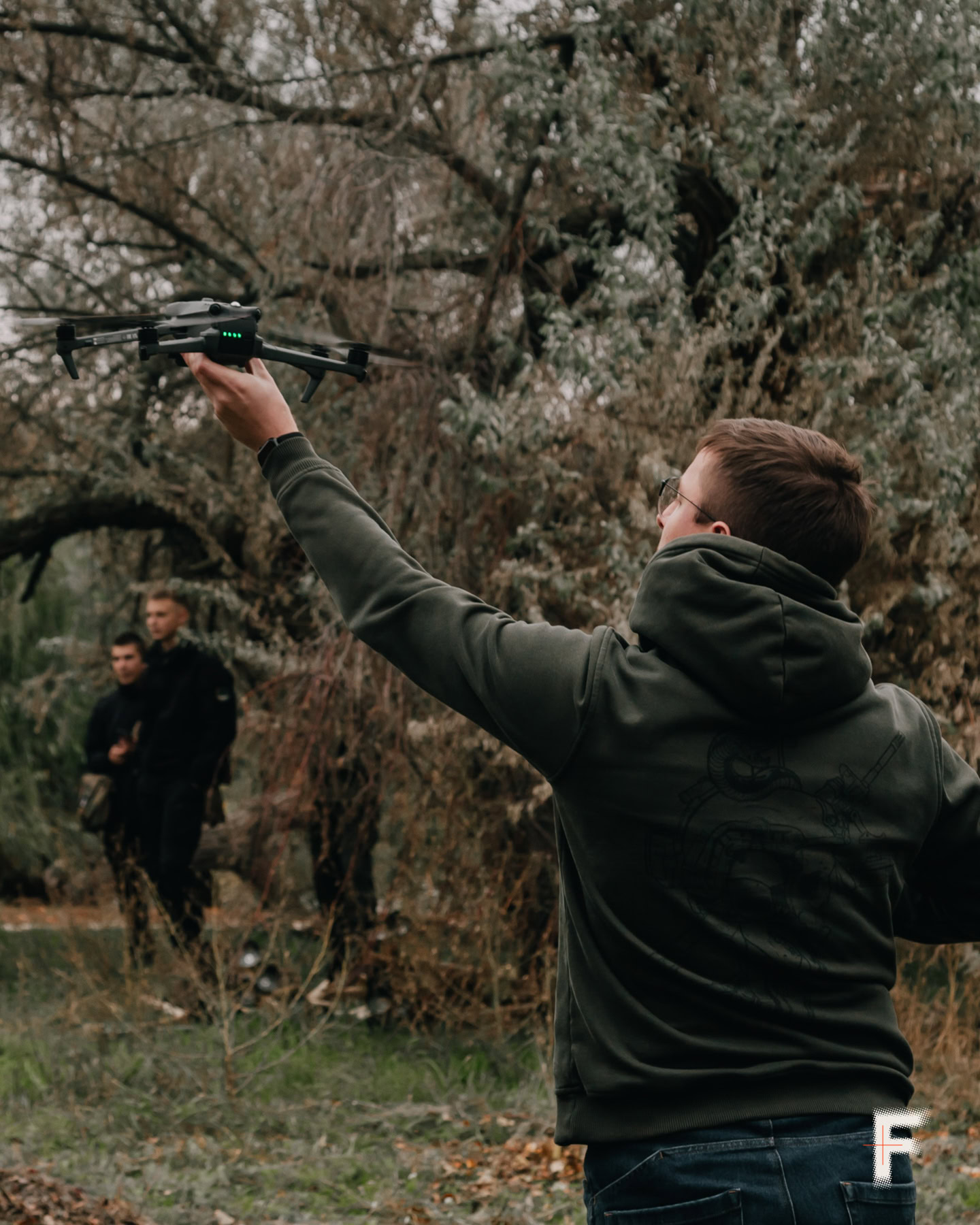
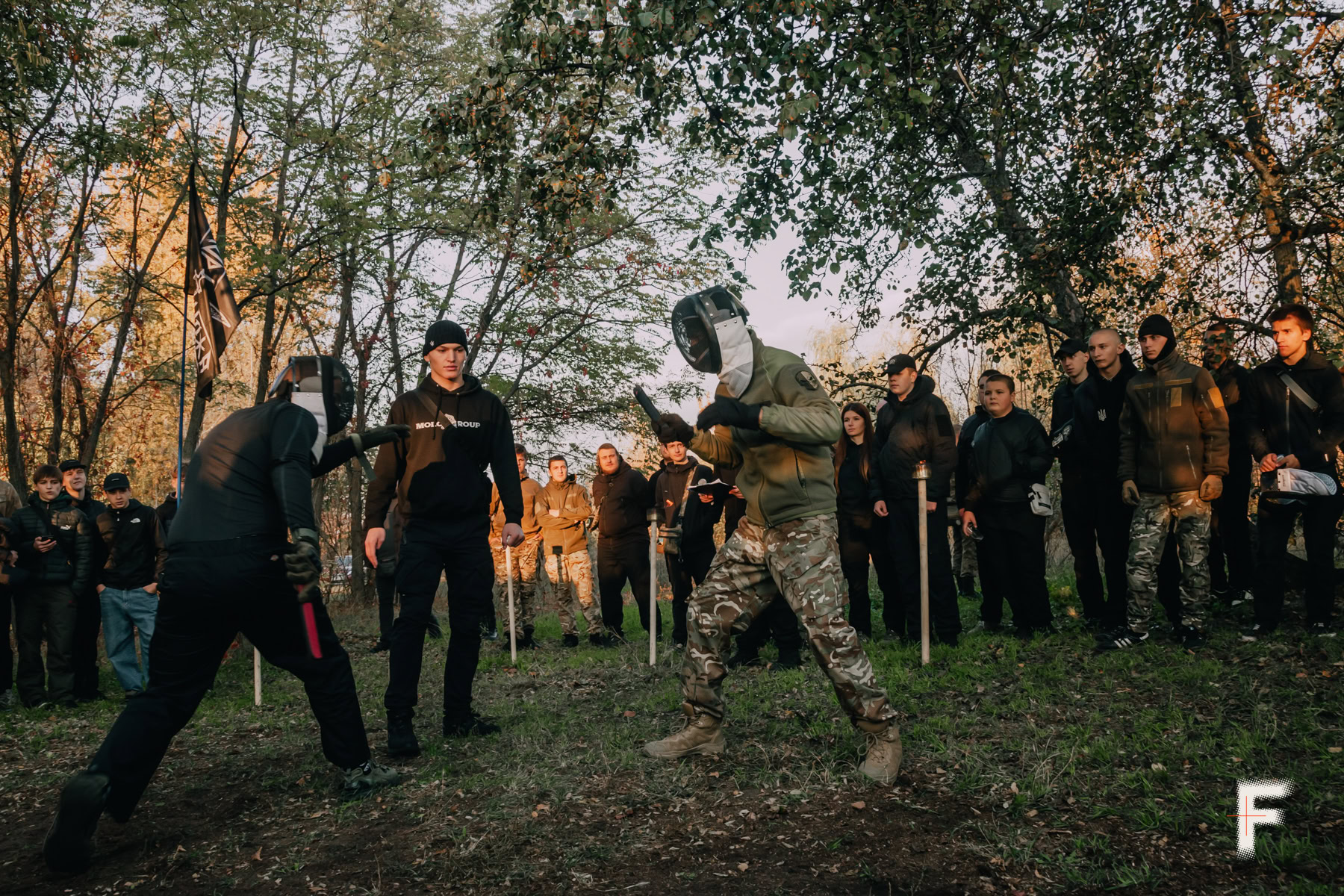
Some teenagers are brought by their parents, while others find information on social networks and come by themselves. The organization does not conduct any special recruiting, says Yevhenii Tkachenko, deputy head of the public organization. According to him, the content of the training programs also depends on the participants themselves; it was the youngest of them who insisted on introducing training in short-blade fencing. Now tournaments are held in this discipline.
-
Participants of the public organization "Patriots 1654" during the short-blade fencing competition, Kharkiv, Ukraine, October 18, 2025. Oleksandra Rakhimova / Frontliner

-
-
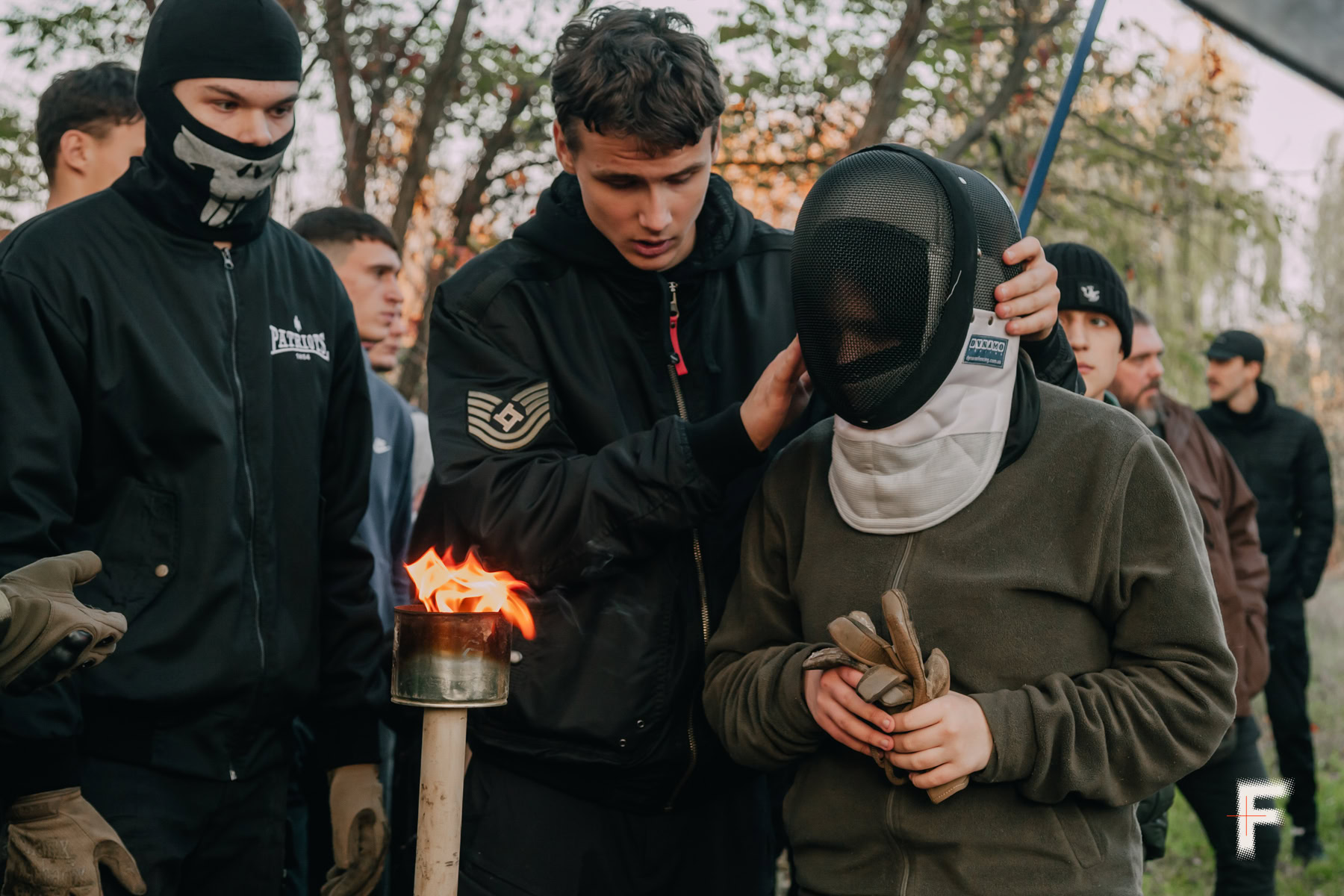
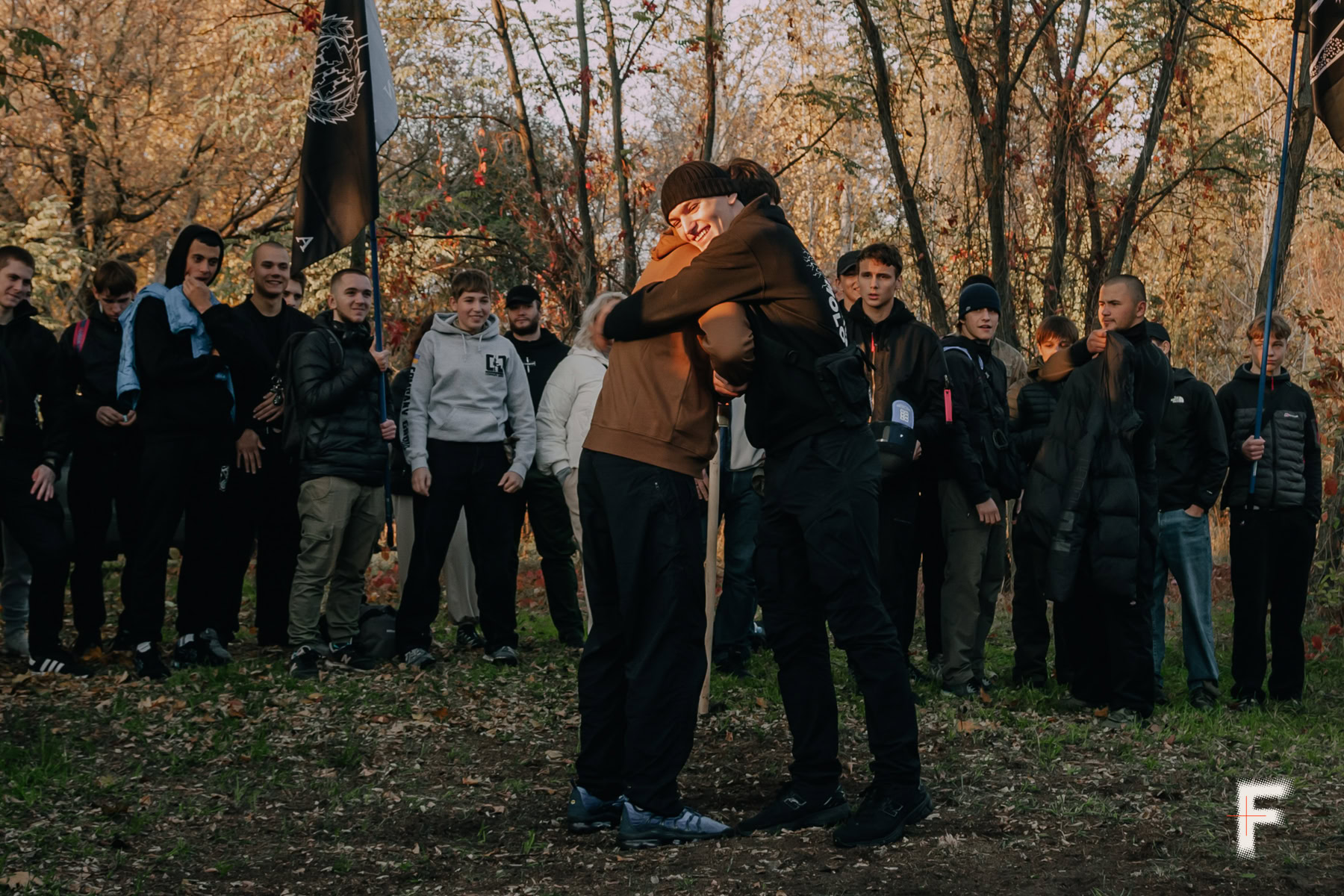
One of these events took place during the organization’s anniversary celebration. Boys and girls aged 14 to 24 from Kramatorsk, Kharkiv, Zaporizhia, and Kyiv came to the festive lawn. Those who did not compete cheered for their friends, made tea in the field kitchen, chatted, and exchanged contacts.
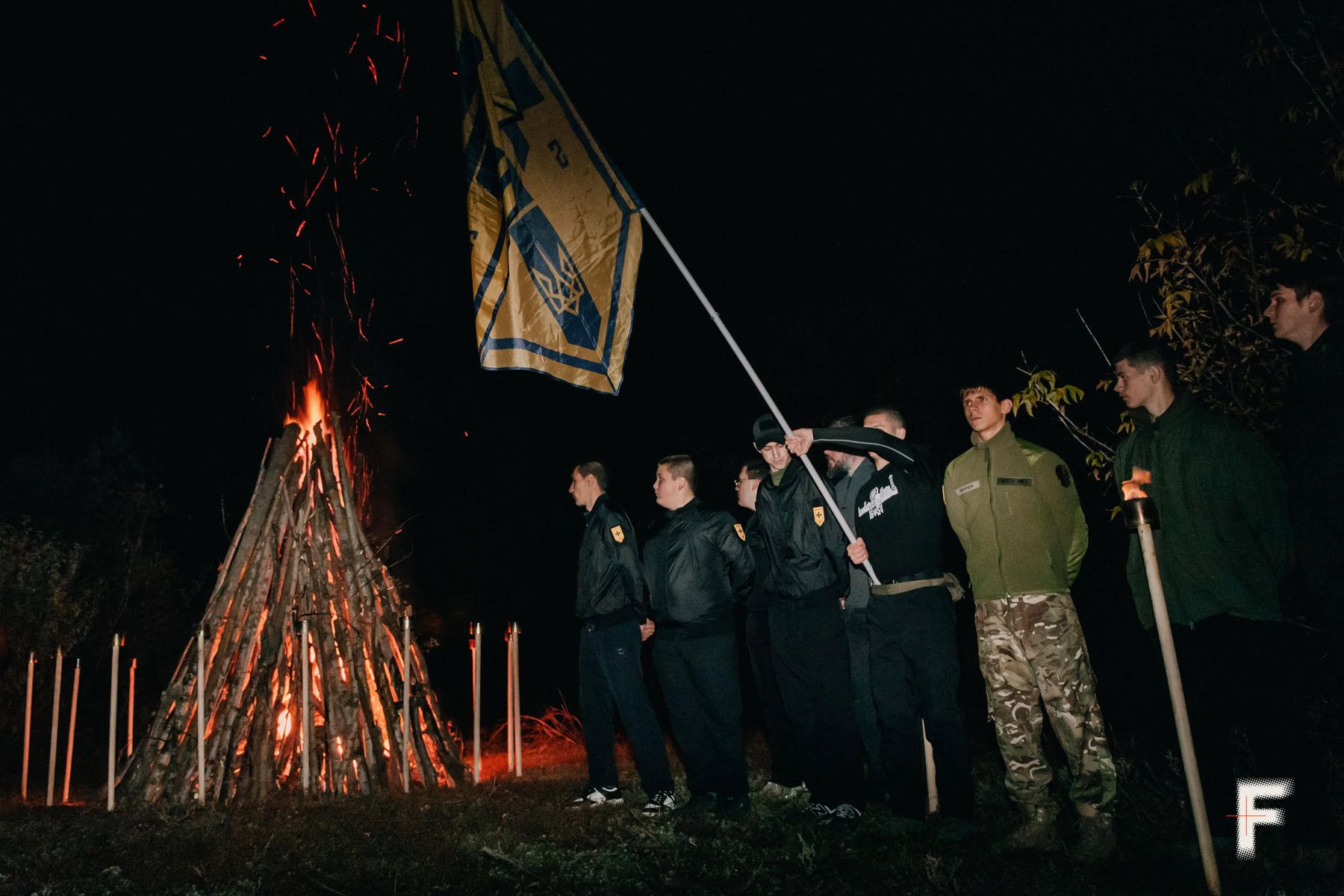
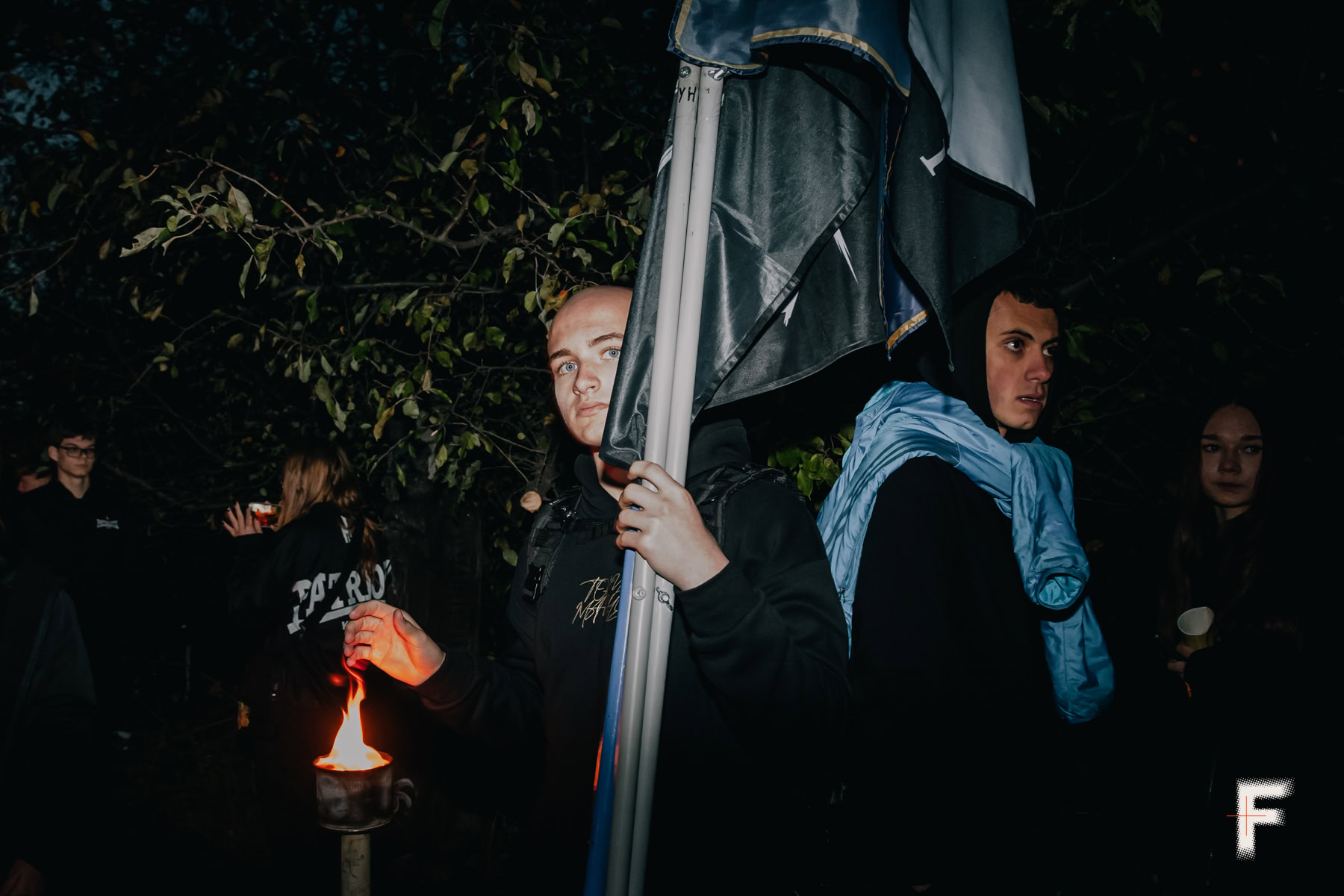
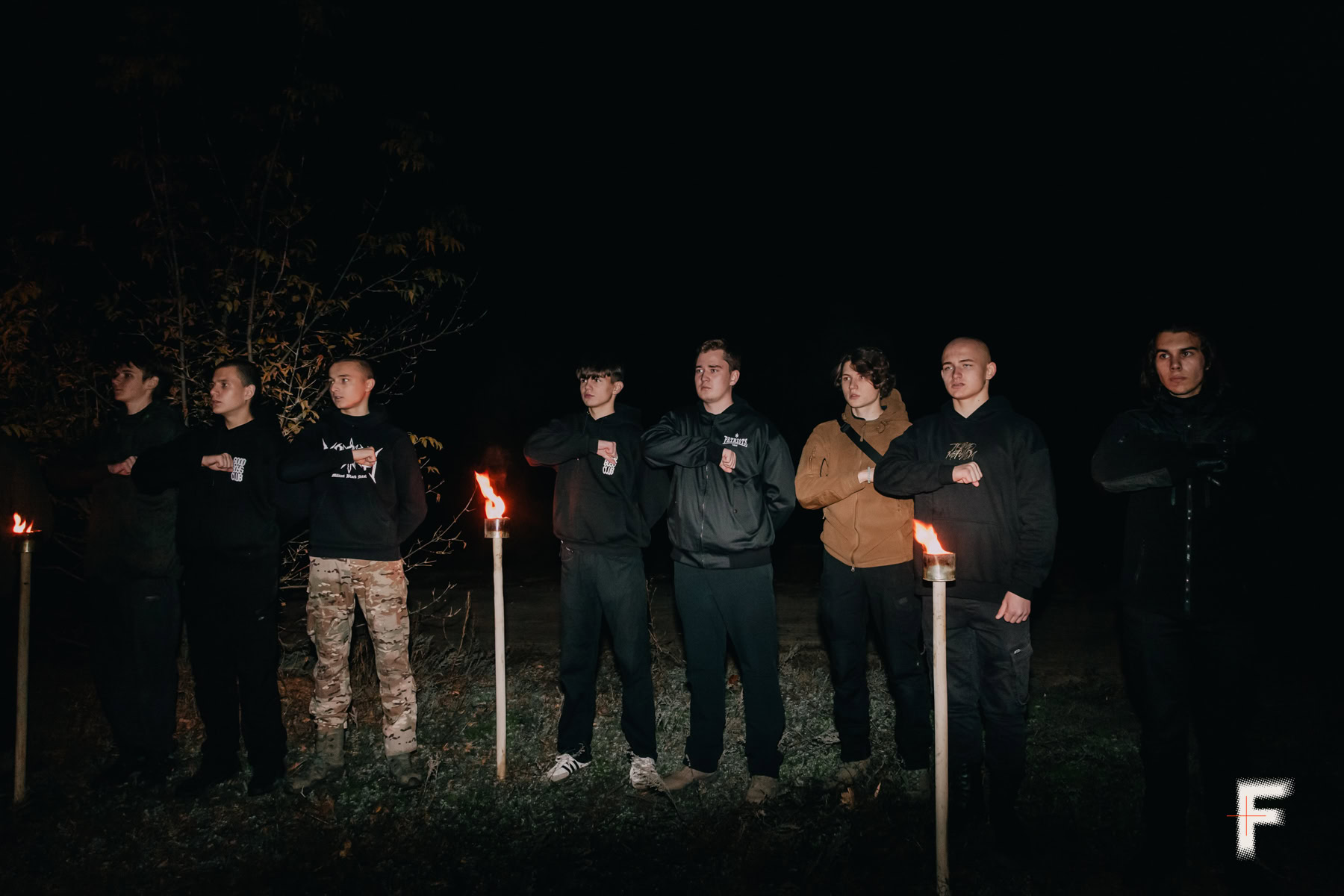
During the solemn part of the celebration, participants were presented with the organization’s chevrons, a prayer was held, and a giant bonfire was lit.
-
Members of the organization "Patriots 1654" during the "Mystery" dedicated to the anniversary of the creation of the organization "Patriots 1654". Kharkiv, Ukraine, October 18, 2025. Oleksandra Rakhimova / Frontliner
-
-
The patriotic movement unites a diverse group of young people: some already know what they want in life, while others are still searching. However, at whatever stage they are in, within the atmosphere of the movement, young people become more conscious, learn to understand the boundaries of what is permitted, and respect others, their land, and the people who protect it, believes Alina Serpokryl. Joining the organization is not enough to be the one on whom the future of the state depends, notes Yevhenii Elksnit. In his opinion, it is also necessary to be aware of your choices and engage in self-improvement.
Author: Oleksandra Rakhimova
Adapted: Olena Sharhorodska