
Between tradition and wartime reality: Malanka near the Romanian border
In the border village of Krasnoilsk in Ukraine’s Chernivtsi region, the Malanka festival feels like a parallel world existing alongside life shaped by war. The rhythm changes here — as do language and rules. What would seem out of place just a few kilometers away becomes part of the normal order from Jan. 13 to 15. Frontliner reports on how Malanka was celebrated in Krasnoilsk.
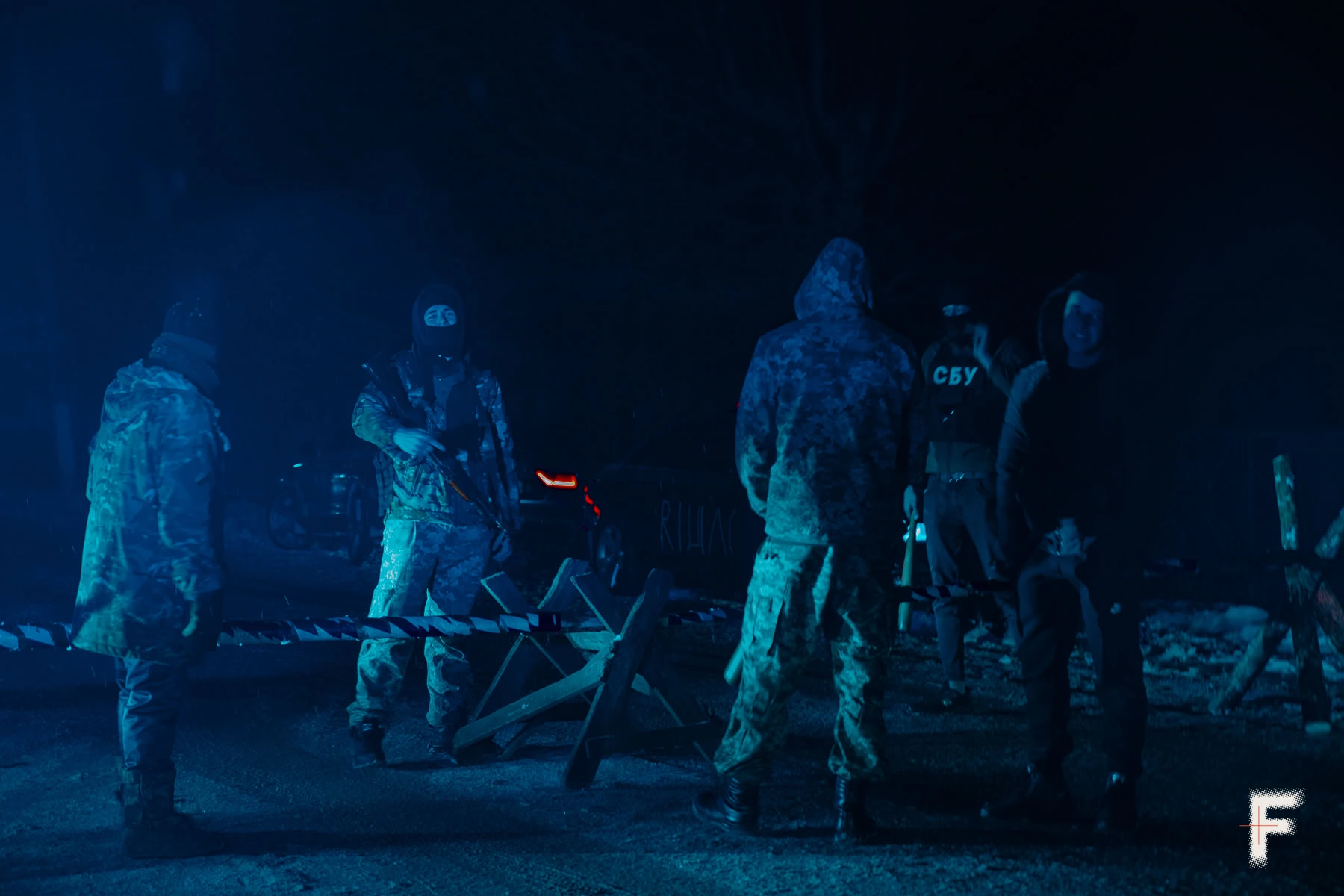
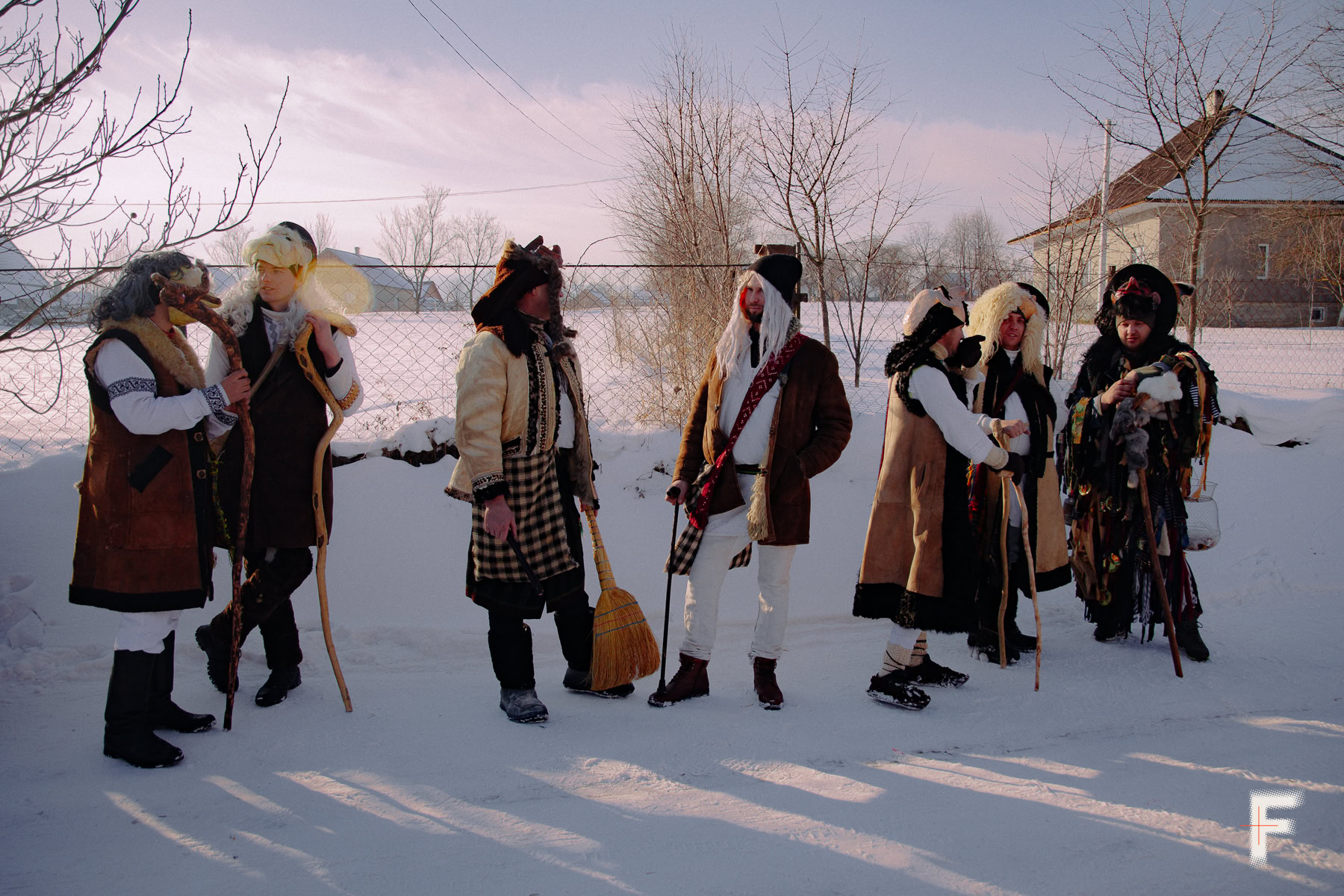
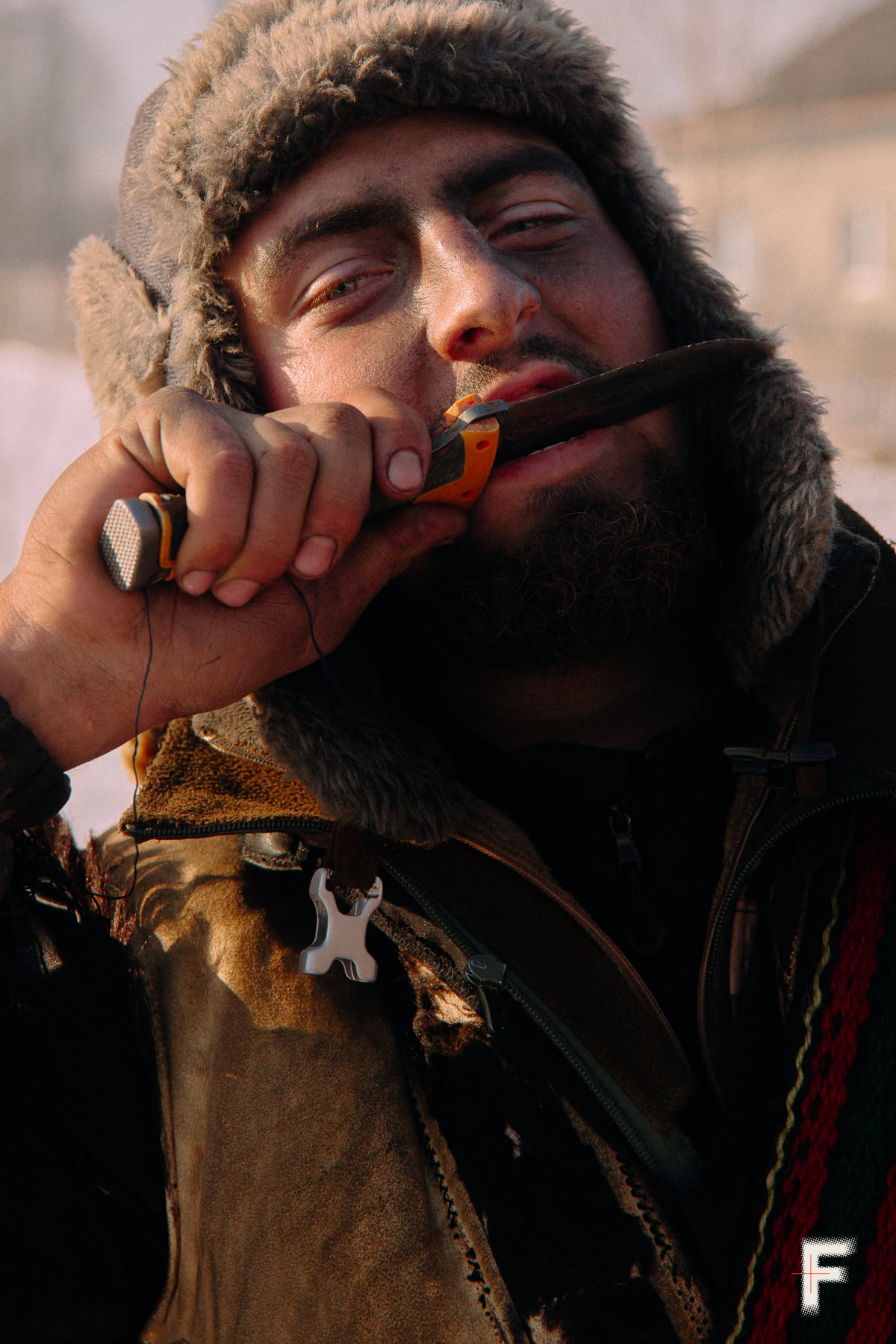
The settlement, located about 8 kilometers from the Romanian border, turns into a continuous celebration for three days. Locals in masks and costumes move from house to house, singing, joking and staging performances directly in courtyards. Even the road into Krasnoilsk becomes part of the spectacle. At the entrance to the village, an improvised checkpoint stops vehicles. People wearing balaclavas and camouflage look convincing at first, making it difficult to tell whether the stop is real or part of the festivities. After passing several such “checkpoints,” the sense of reality gradually fades. It is from this uncertainty that Malanka begins.
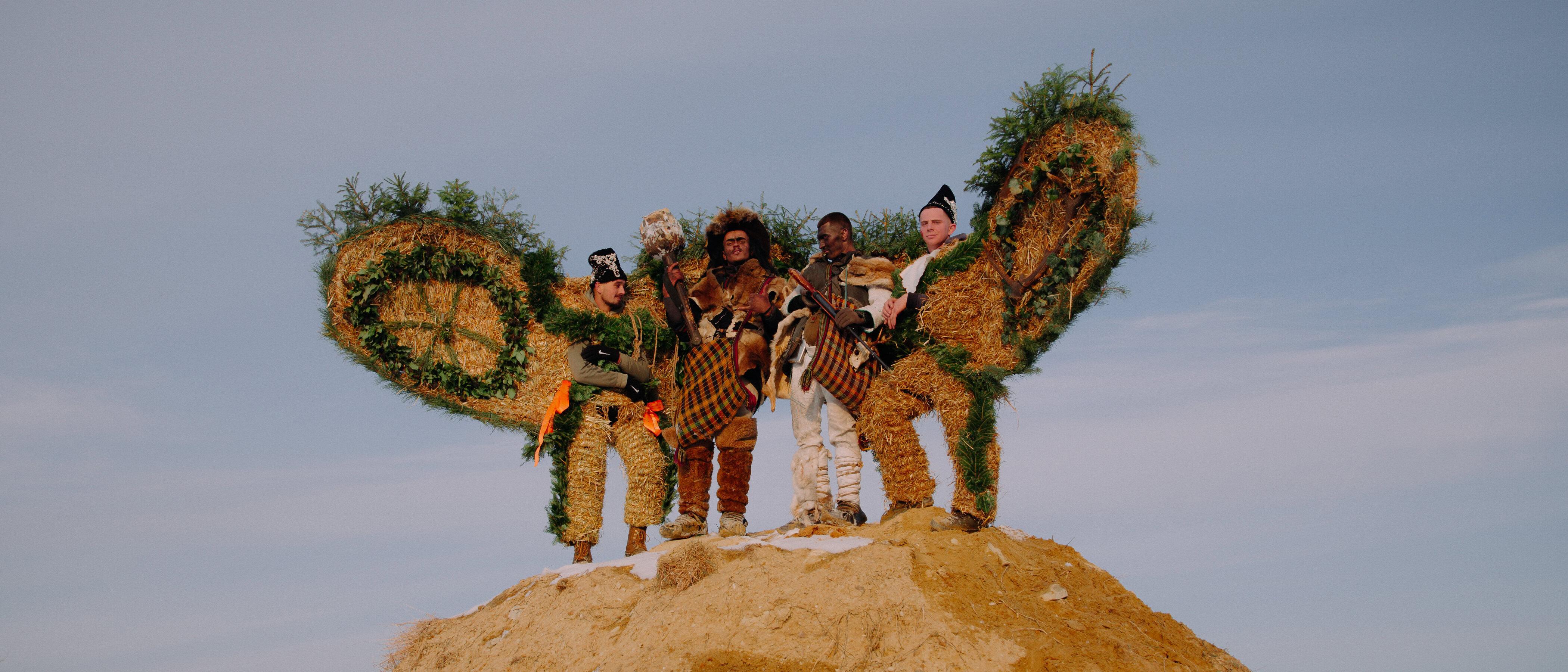
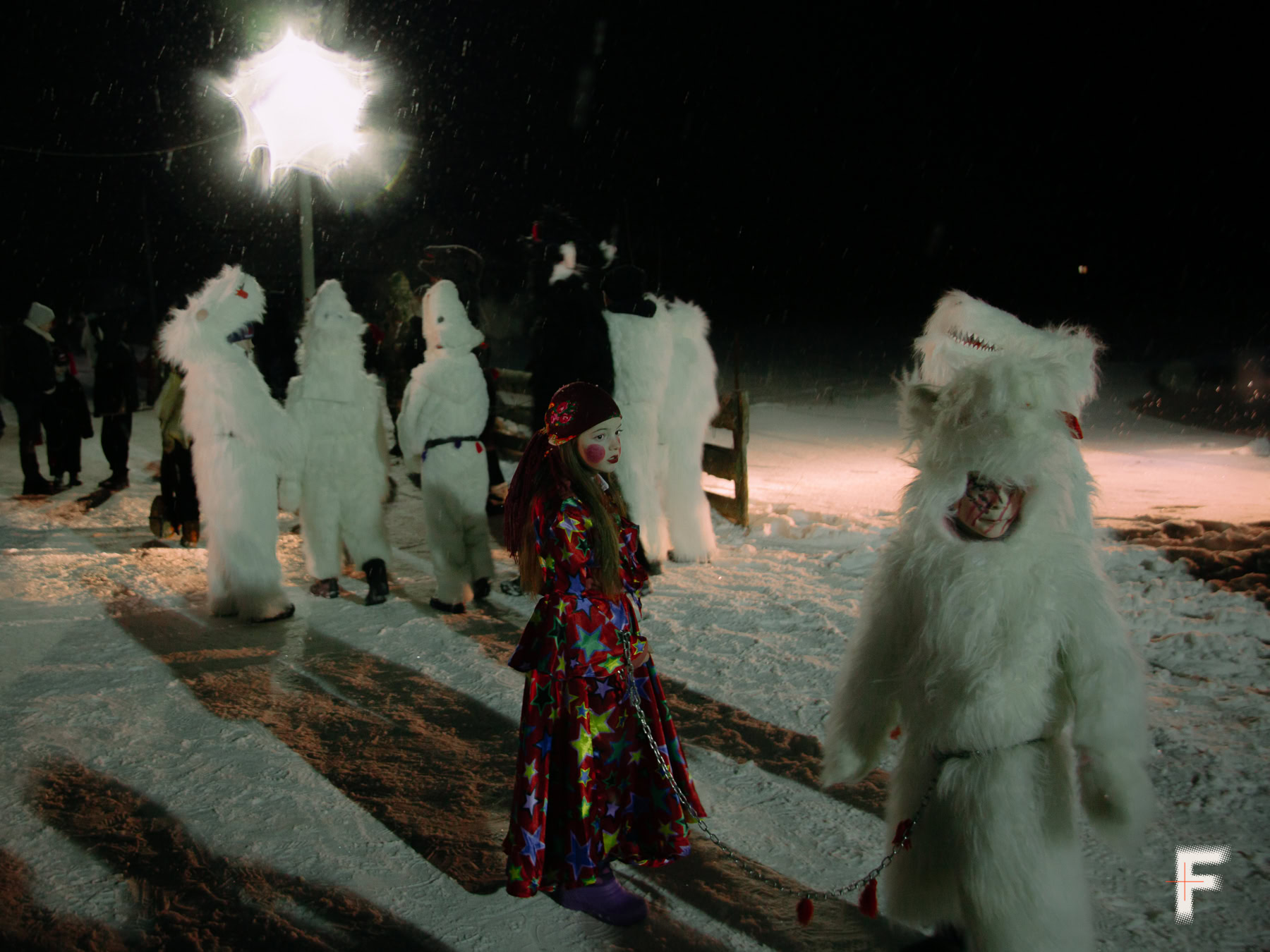
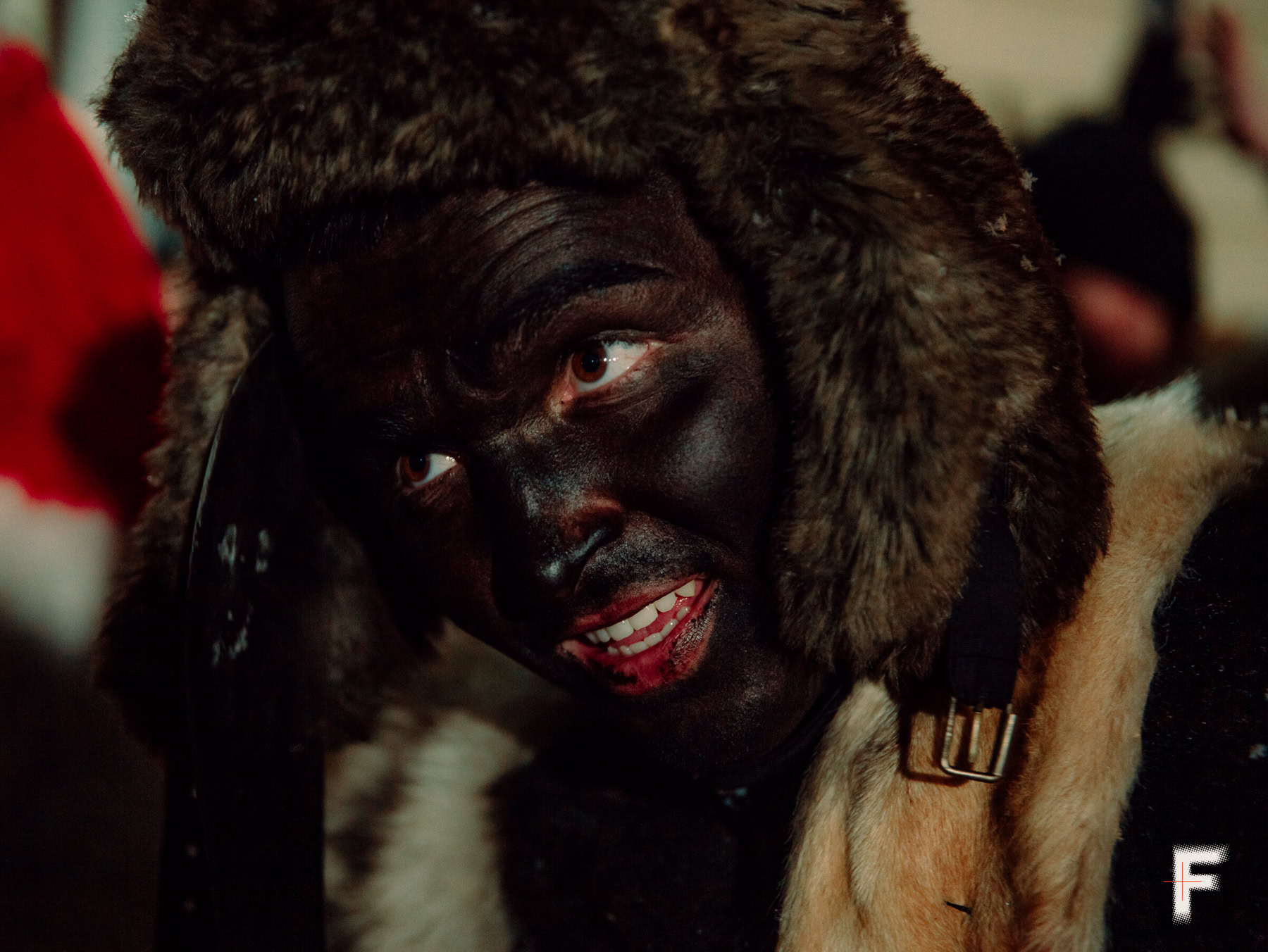
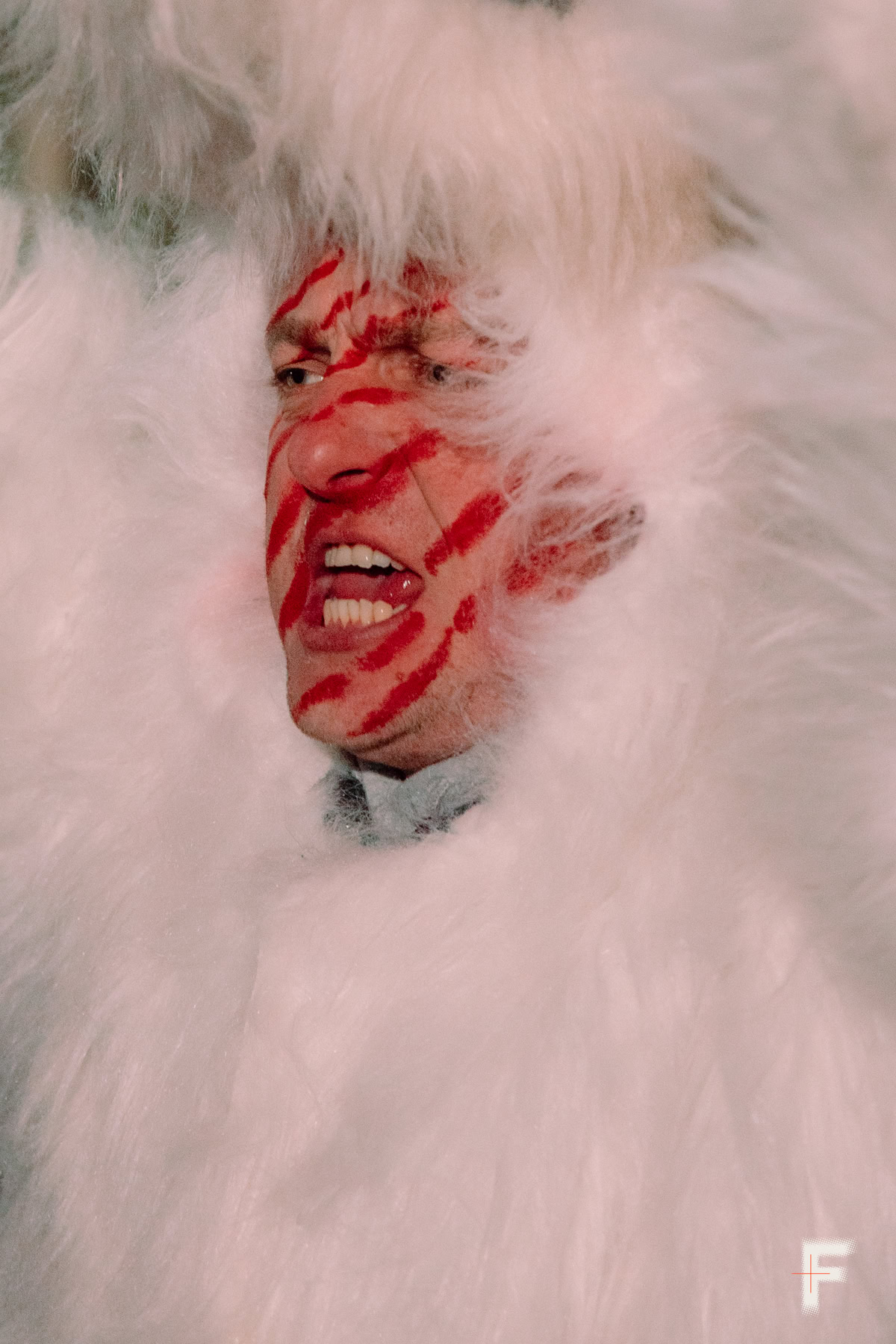
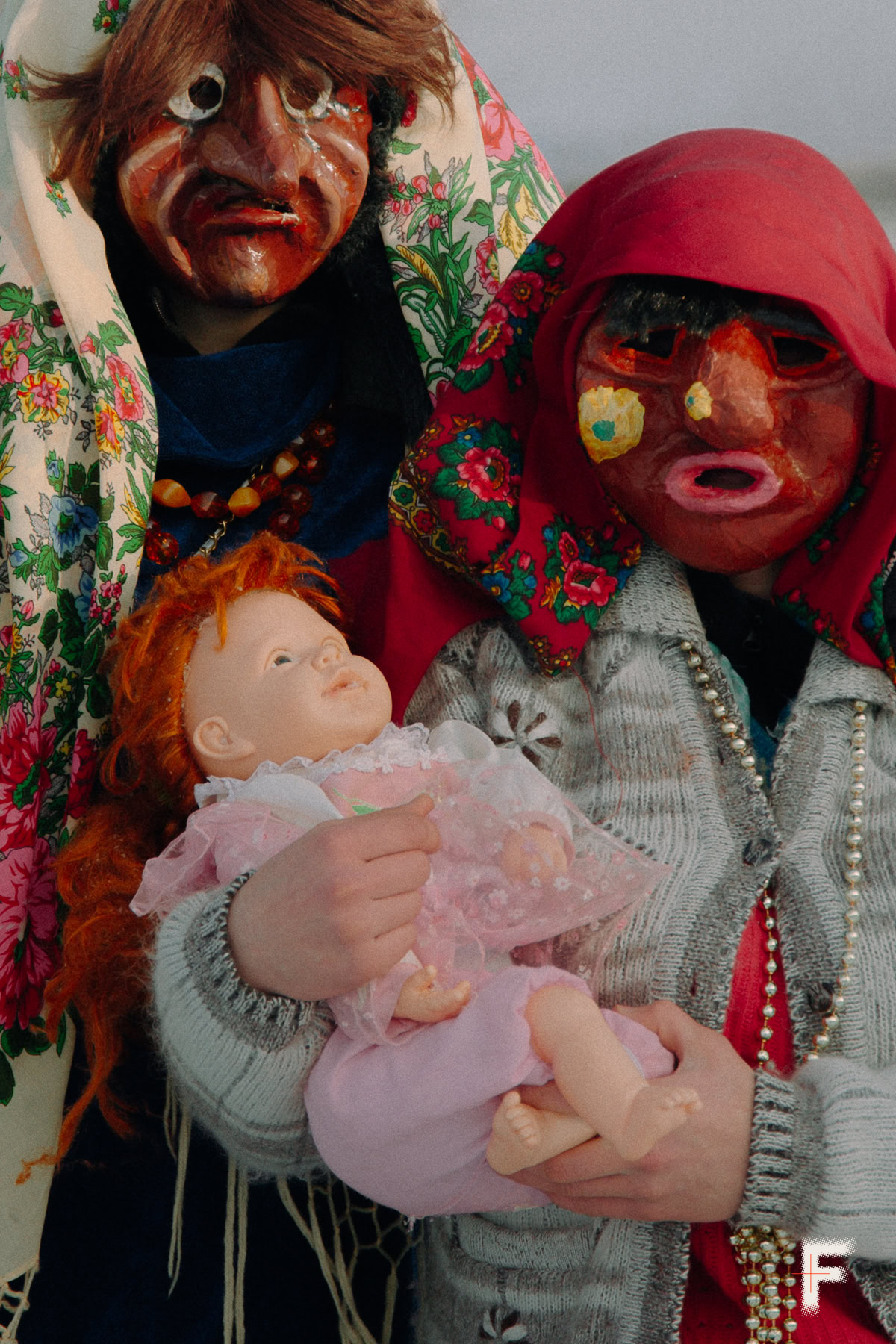
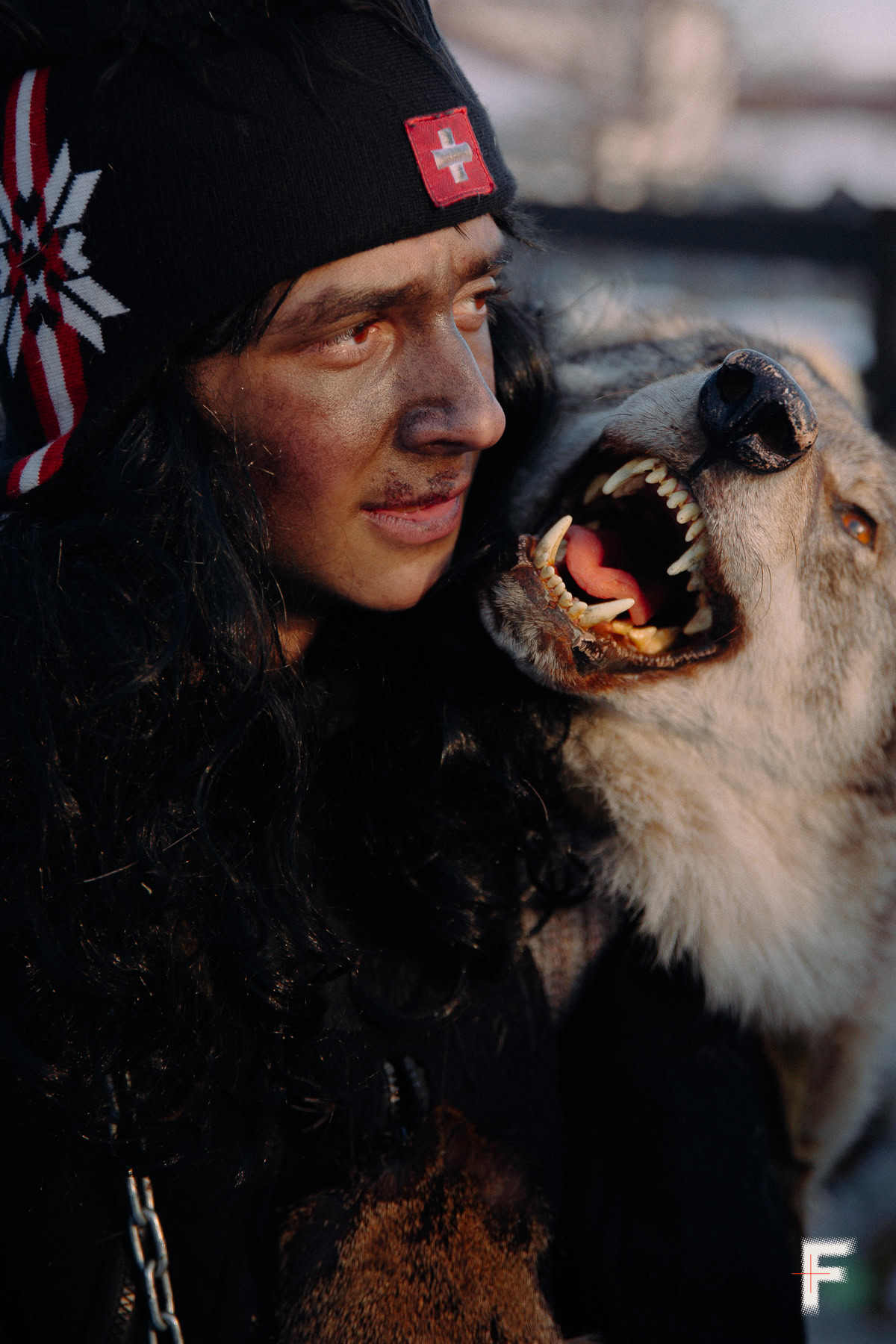
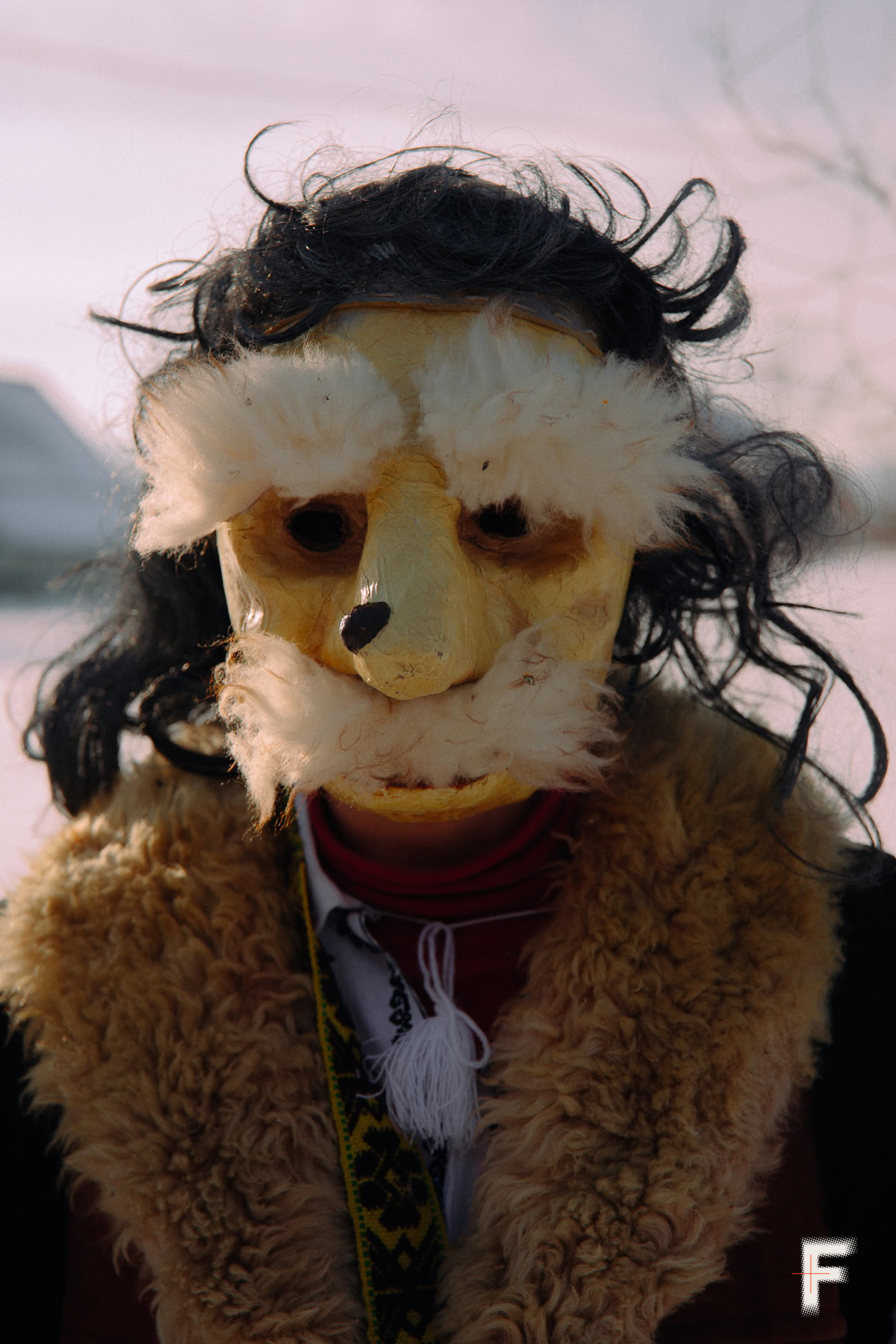
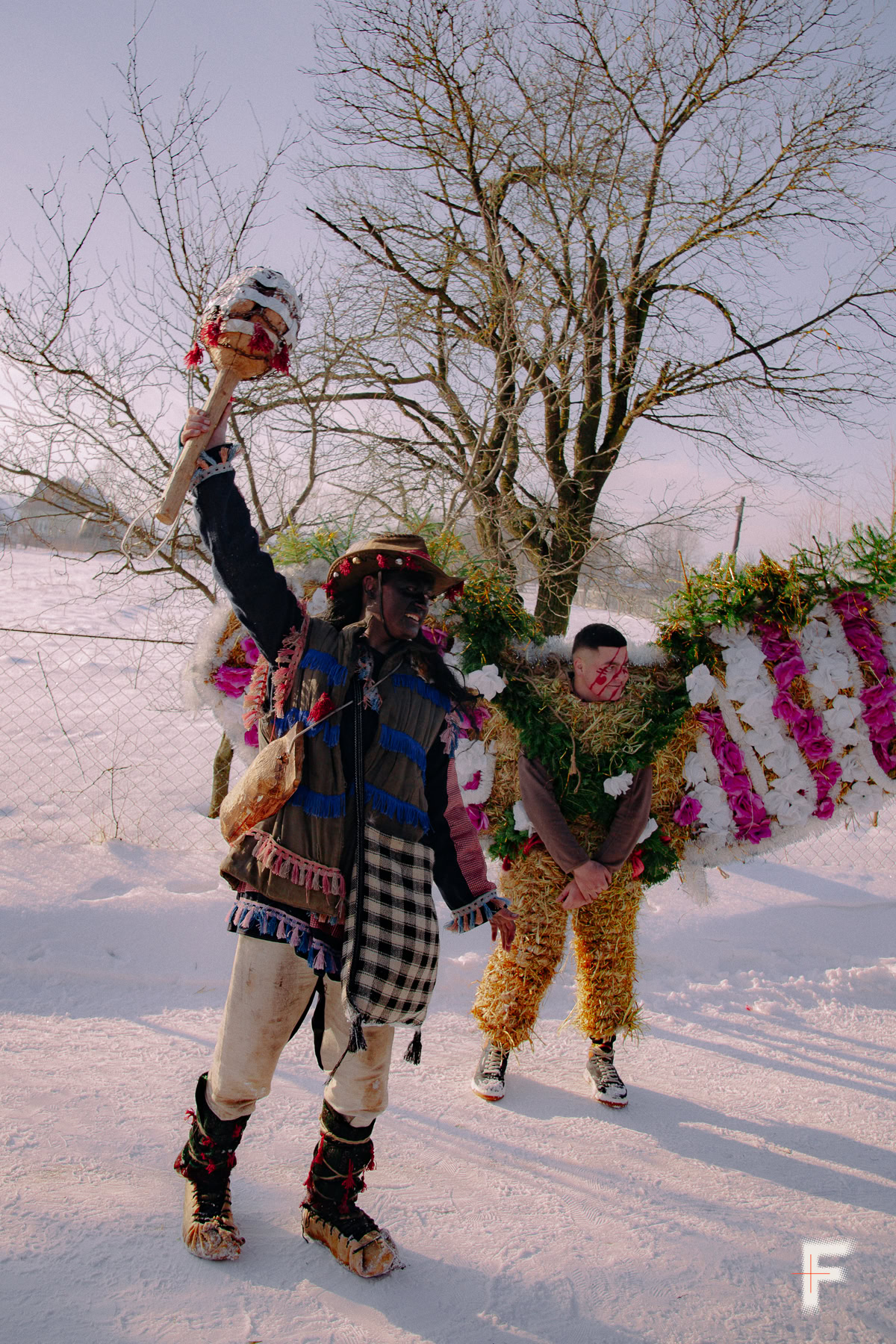
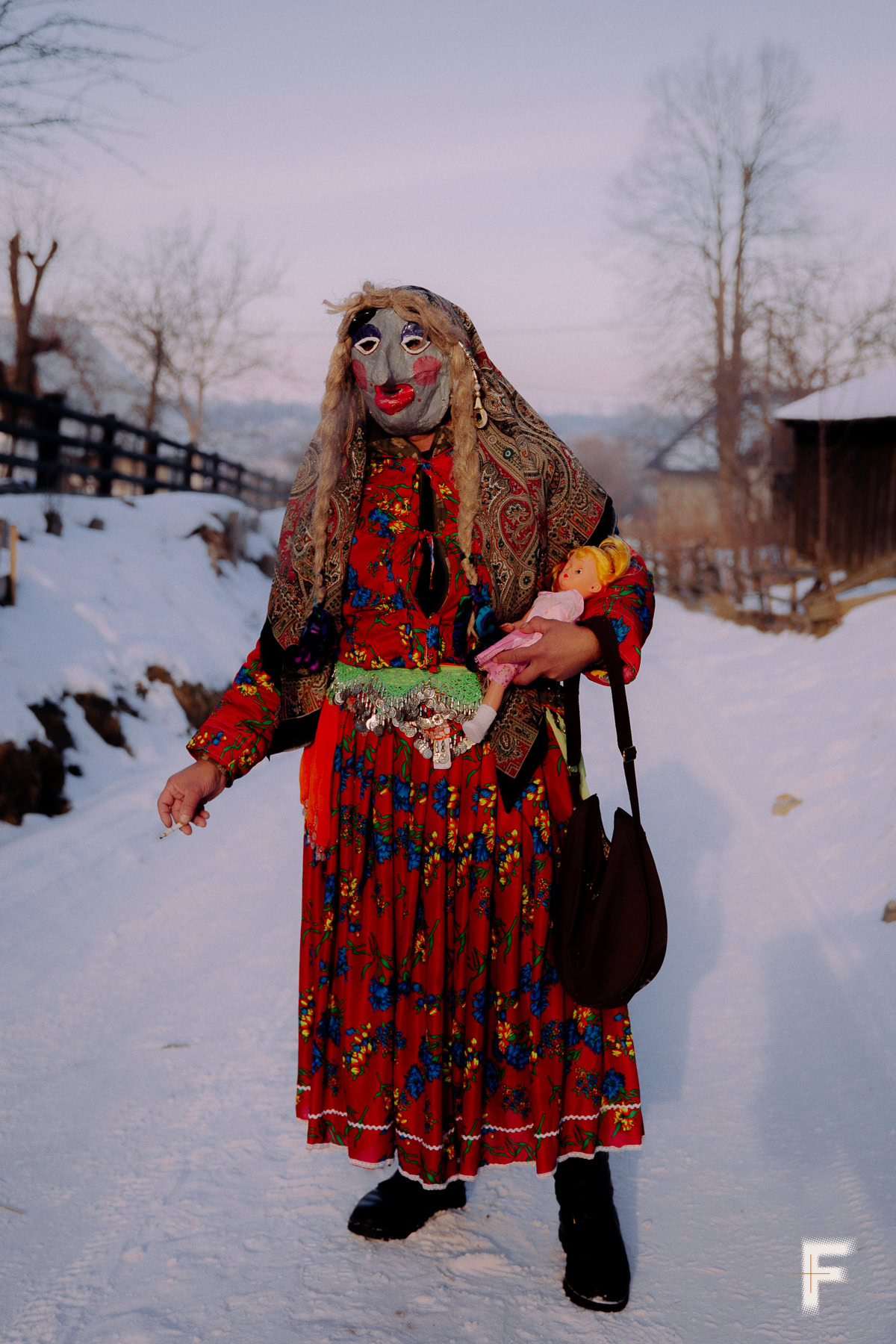
Beyond the “checkpoint,” Krasnoilsk initially feels quiet. Ordinary village streets, courtyards and darkened houses. But one correct turn changes everything. Singing, loud music, drums and shouting suddenly fill the air. Narrow courtyards crowd with people in bright, sometimes unsettling costumes: straw-clad winged Bears, Gypsies and other traditional characters that are not immediately recognizable. All generations of the community take part. The Malanka procession moves slowly, filling streets and yards as it goes.


Fireworks and “buyouts”
It is difficult to remain on the sidelines. Malanka participants move in columns, blocking the path of anyone nearby — whether locals or visitors. Despite the noise and apparent chaos, many residents are open and welcoming to guests, offering directions, inviting them into courtyards, sharing drinks or simply smiling at the camera.

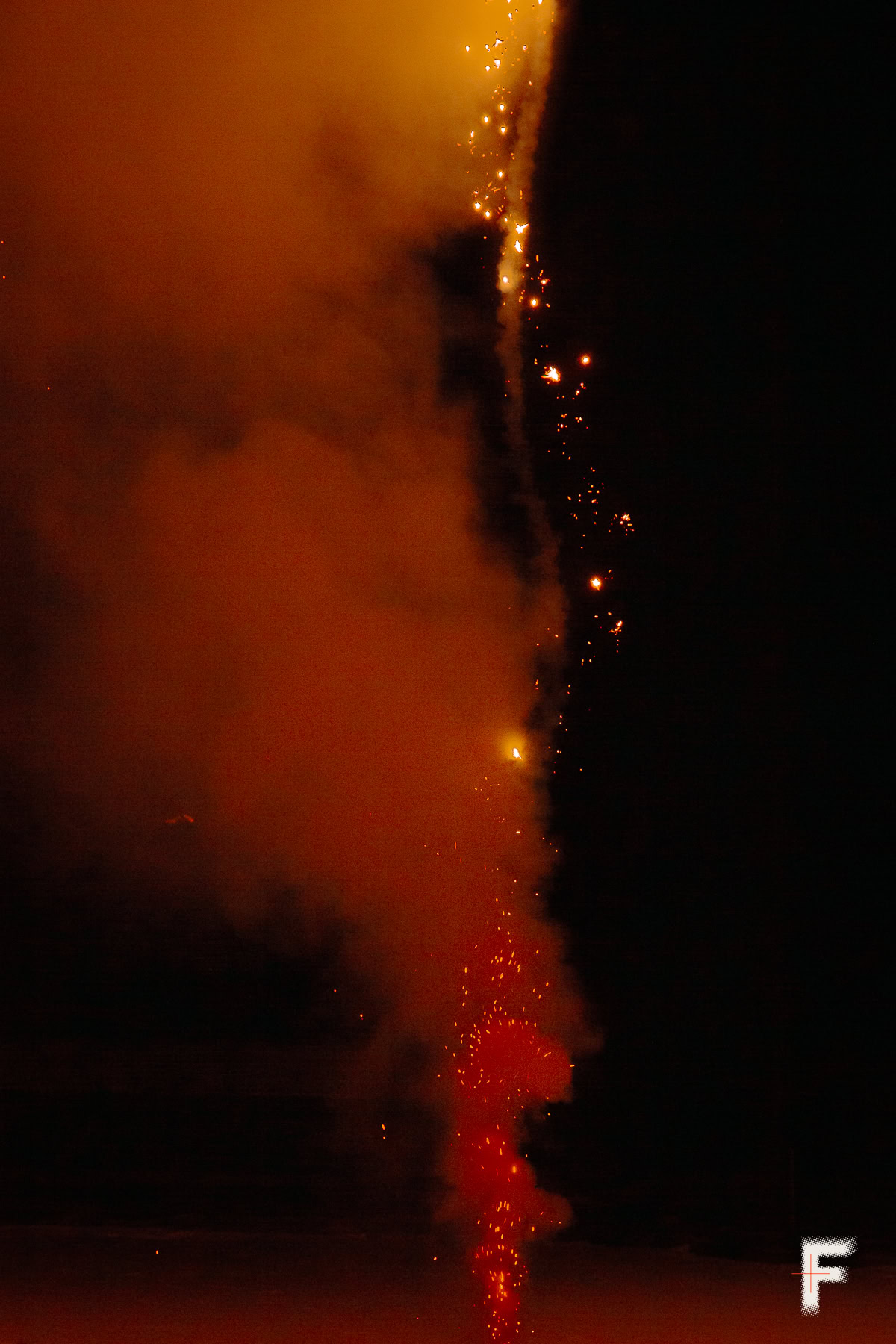
At the same time, Malanka allows behavior that would be unthinkable in other contexts. Fireworks are set off in the village despite wartime bans. Young men dressed as soldiers or Security Service officers stop cars, stage mock detentions and demand “buyouts” at improvised checkpoints. All of this is presented as a game with understood rules. Yet the line between play and reality constantly shifts.
This year’s Malanka in Krasnoilsk took place without official announcements or permits. That did not stop the celebrations. For locals, the festival is a way to preserve a familiar rhythm of life and pass the tradition on to future generations, even during wartime.


Author: Anna Zubenko
Adapted: Kateryna Saienko
Read more — “Bone-chilling cold – absolutely unbearable”: stories from Kyiv’s blackout epicenter
