Love that keeps life going: Caring for a newborn during war
The birth of her daughter reshaped Mariana’s view of the world. The dangers of war now feel more immediate, forcing her to plan every detail of her day. Even in Lviv, the young mother heads to a shelter each time the air raid siren sounds determined to keep her child safe. This is a story about motherhood, and about a love that does not allow her to relax for even a moment, in a report by Frontliner.
In the kitchen, despite the frost and recurring power outages, it is warm. Outside, the sun shines through the window. Inside, the air smells of coffee, and a bouquet of roses brightens the table. A baby’s play mat lies on the floor, and by the sink, pieces of pumpkin are cut and ready for the baby’s first solid food. From a tablet, the national news telethon plays in the background. The broadcast reports on a burning train and people who did not survive — sounds that feel entirely out of place in this quiet, sunlit kitchen.
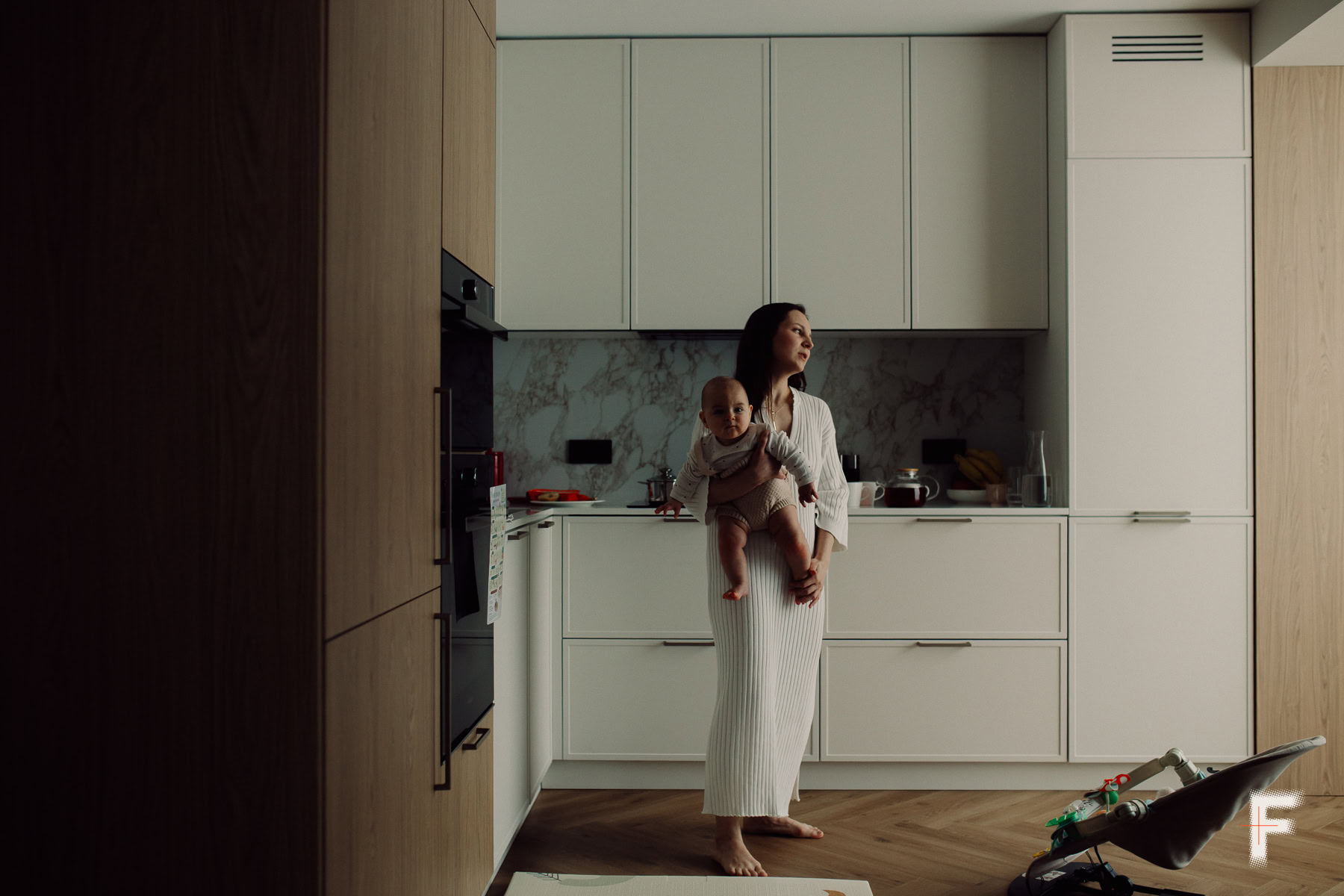
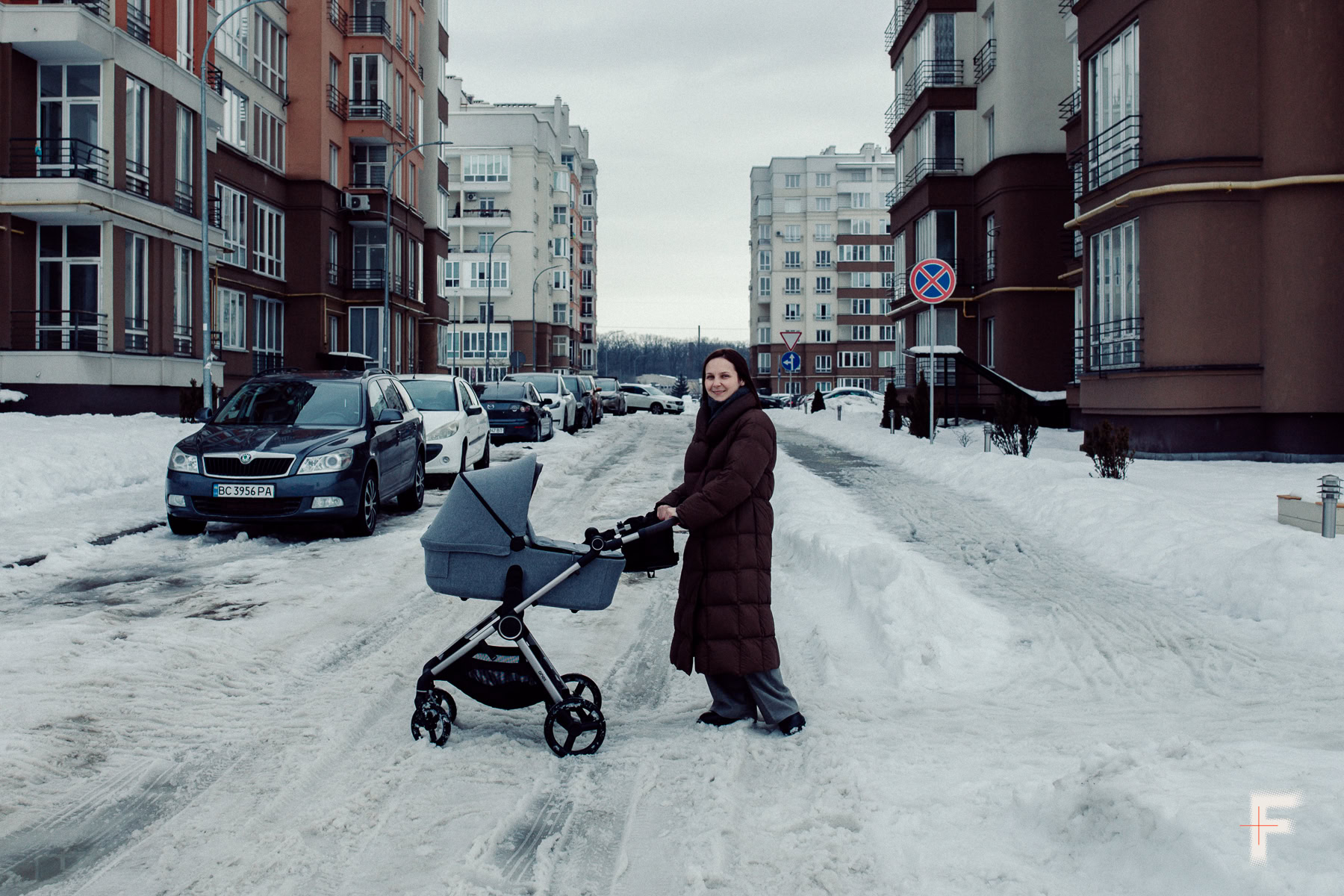
Mariana Bilozir has lived in this apartment with her husband and daughter for three and a half months. The residential development is home to many young families. From the sixth floor, she looks out over the courtyard below, where mothers push strollers through trampled, slippery snow. A couple of small shops sit near the building, but the nearest larger supermarket is about half a kilometer away. Only one bus serves the closest stop; to catch another route, residents have to walk about 20 minutes.
Power outages
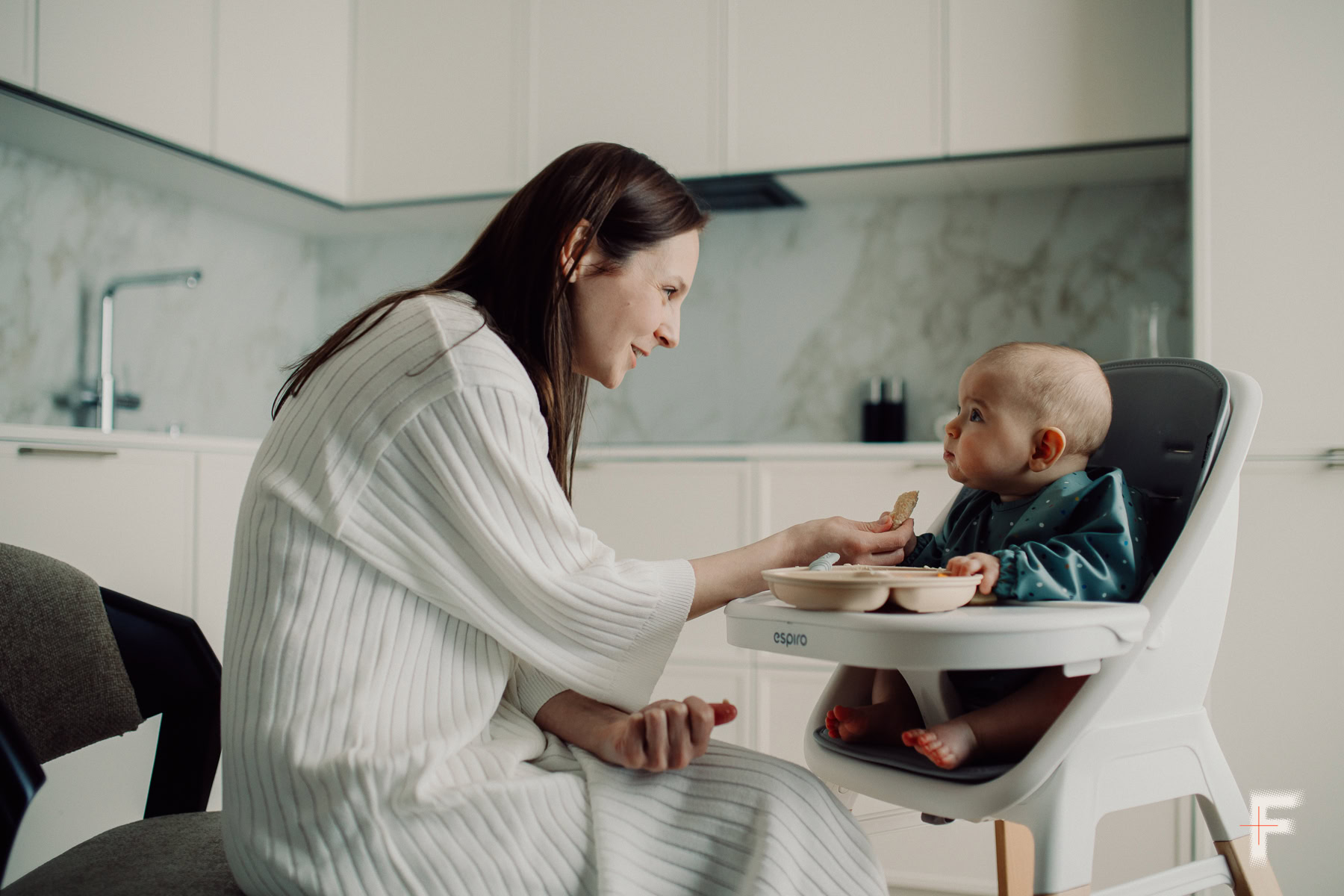
Everything in the building runs on electricity. When the power is on, Mariana turns the heat up as high as it will go so the apartment stays warm for as long as possible during outages. Without electricity, the stove and other kitchen appliances stop working as well. Her 7-month-old daughter has recently started eating solid food, which means fresh meals have to be prepared regularly. Power cuts disrupt the baby’s feeding schedule, so Mariana tries to stay ahead by preparing food in advance.
A bigger challenge during outages is the elevator, which stops working when the power goes out. Mariana takes her daughter outside at least twice a day, but carrying both the stroller and the baby down the stairs on her own is nearly impossible. She has to leave her daughter in the apartment, carry the stroller downstairs first, then return to bring the baby down. The family has found a workaround. Each morning before leaving for work, Mariana’s husband, Roman, carries the stroller down to the first floor. That way, no matter how many hours of electricity the building has, she is still able to take her daughter out every day.
A war that has become routine
Mariana gave birth in Ukraine, though the circumstances were far from ideal. The war had already made life difficult, even before a child entered the picture. Yet in some ways, the war has settled into routine. In the early days of the full-scale invasion, people struggled to make sense of a reality that had abruptly changed. Years later, the uncertainty has hardened into habit, Mariana says.
“Now we know how to live through blackouts: without electricity, without water, without heating.”
-
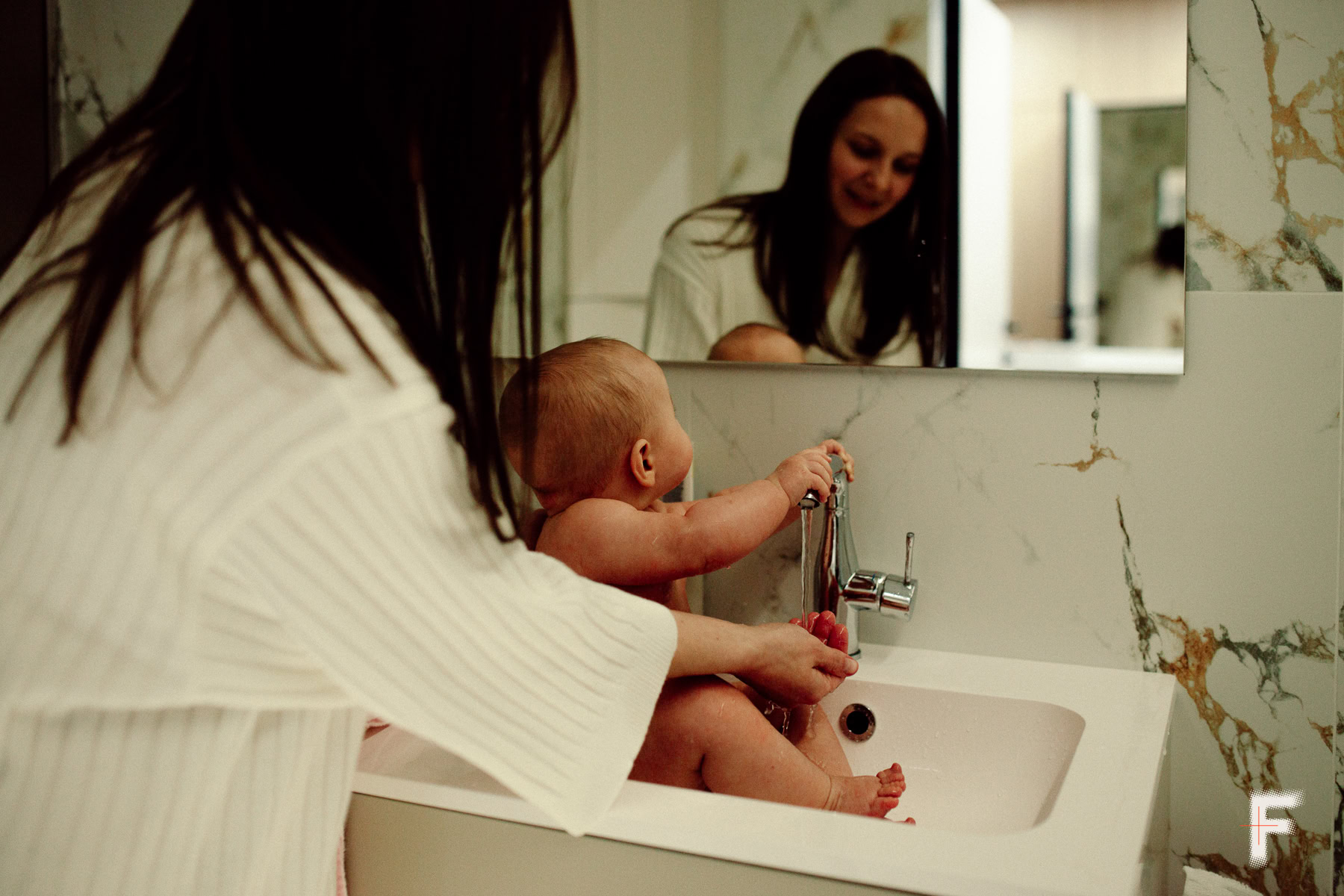
Mariana Bilozir bathes her daughter Veronika, Lviv, Ukraine, Jan. 28, 2026. (Anna Zubenko/Frontliner)

-
-
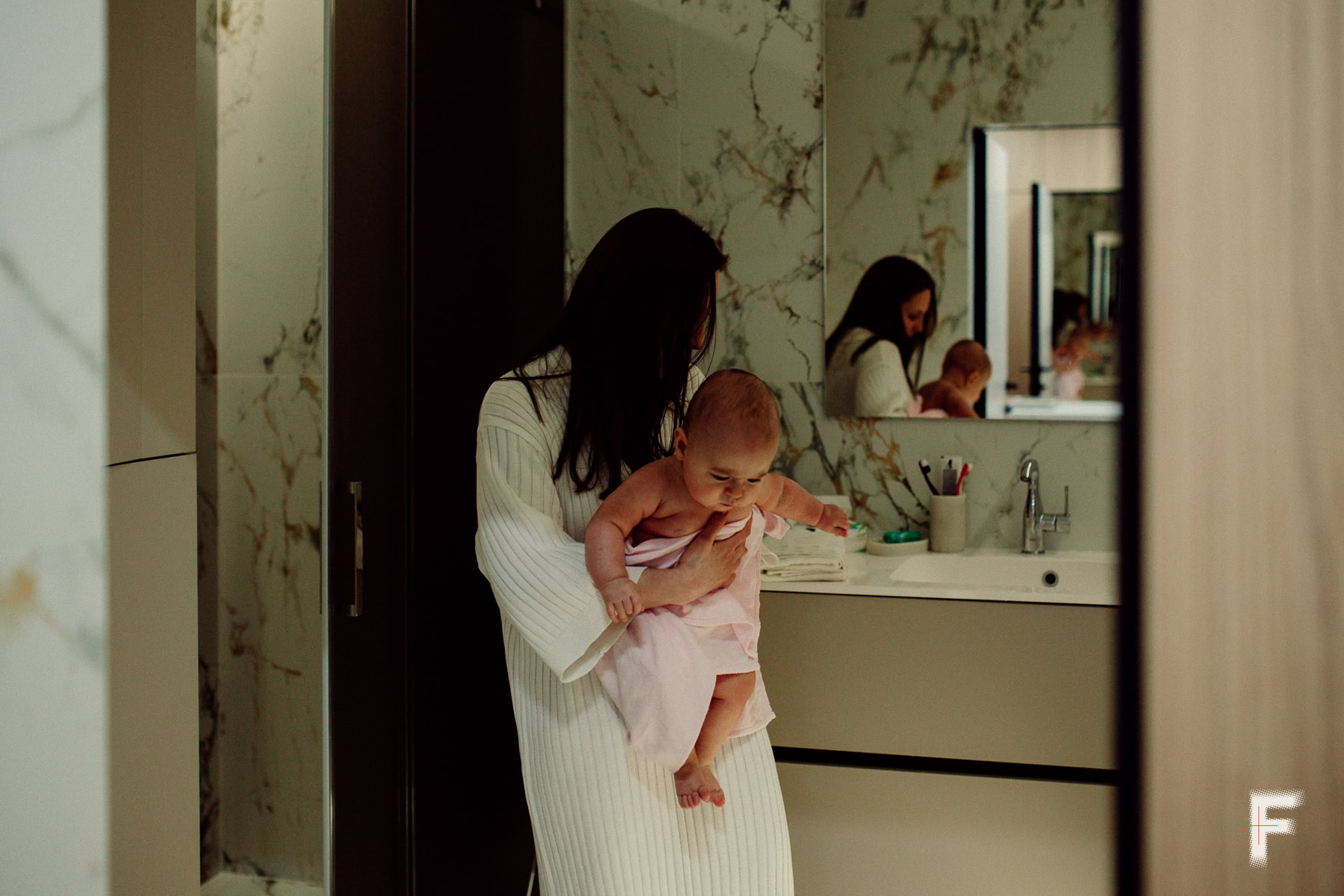
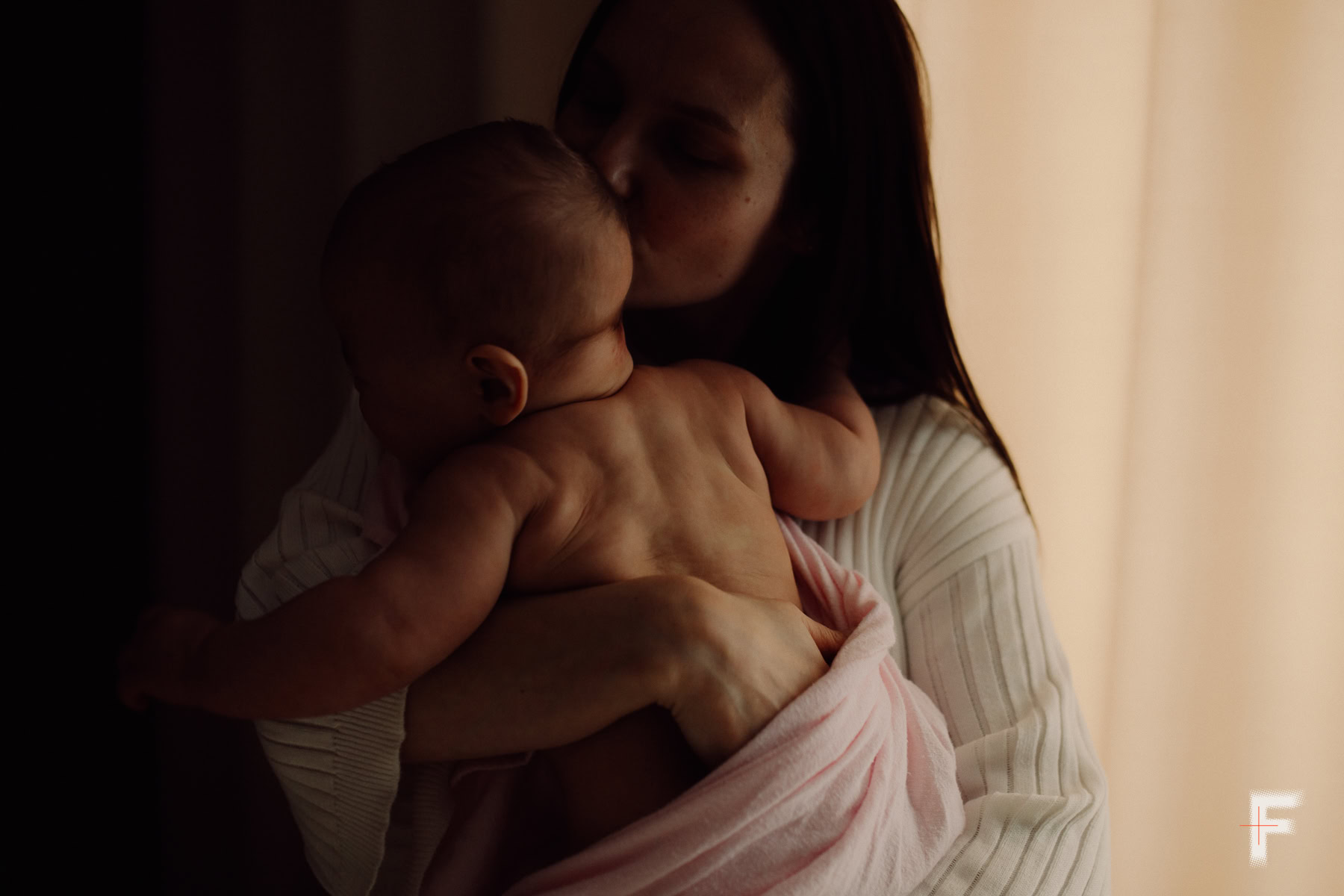
Mariana Bilozir with her daughter Veronika, Lviv, Ukraine, Jan. 28, 2026. (Anna Zubenko/Frontliner)
The confusion of the early days of the full-scale invasion has given way to routine: checking air raid alerts, charging phones whenever possible, planning no more than a week ahead. Even fear has settled into something constant. Daily life is shaped around the unexpected, with contingency plans — Plan B, Plan C and more — always close at hand.
A premature birth
The arrival of their child had been planned down to the smallest detail. Mariana chose a well-regarded maternity hospital equipped with a bomb shelter and made sure she had everything the baby might need. More than anything, she wanted her husband by her side during labor. At the same time, they spoke openly about the possibility that he could be called up for military service. She arranged for relatives to accompany her to the hospital if Roman could not. The only question left unresolved was the baby’s name. Roman favored one option; she preferred another. They had not yet made a final decision.
Moments with your child often outweigh the bad news.
Joy outweighs grief.
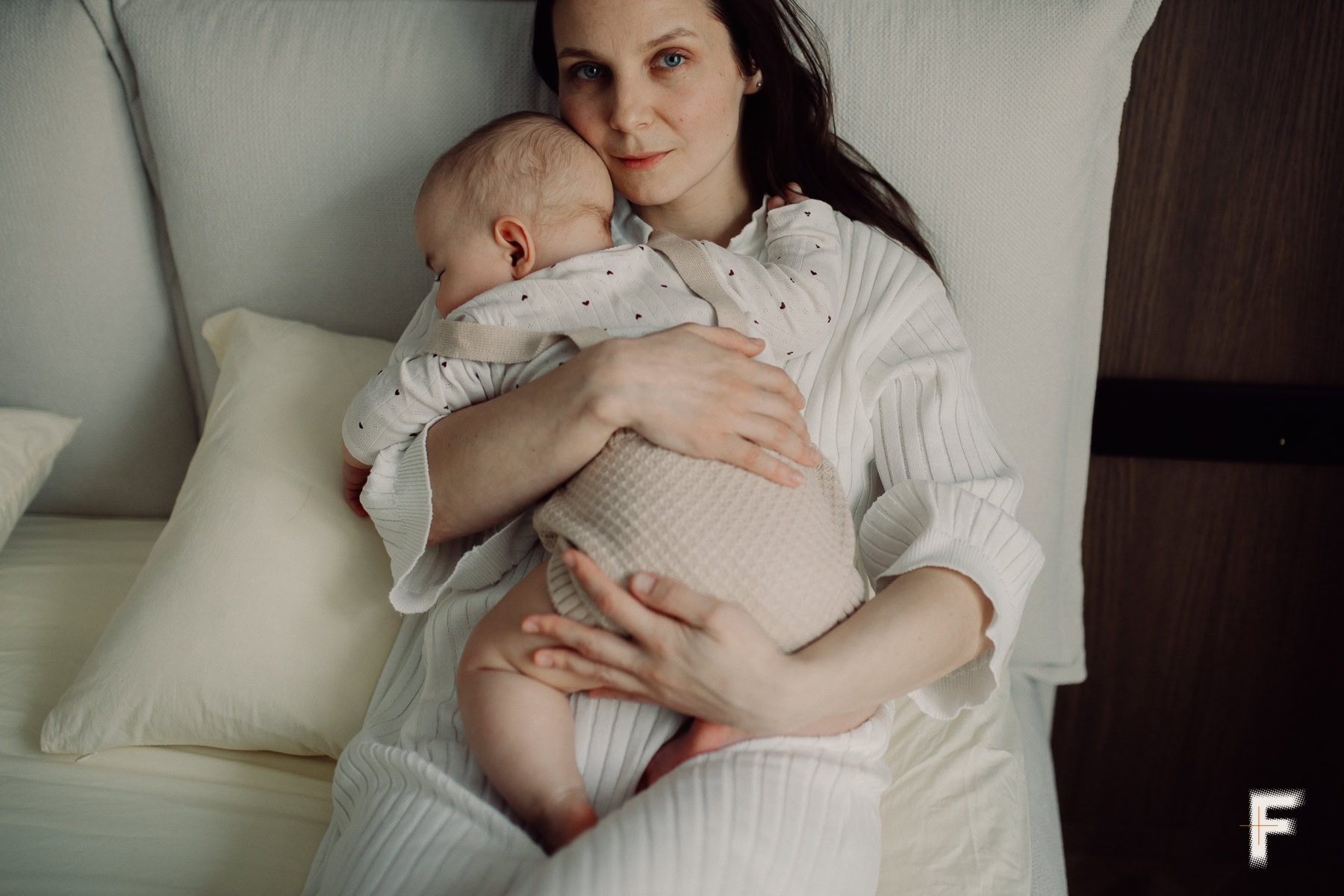
In June 2025, about six weeks before her due date, Mariana lay through another cardiotocography exam. Her blood pressure was high, and once again the baby was barely moving. Doctors struggled to obtain reliable readings. This time, she tried everything to stir her daughter into motion: light exercises before the appointment, upbeat music, chocolate. She spoke softly to the baby. Nothing worked, just as nothing had over the previous two weeks. No method made a difference, and tracking the baby’s heart rate remained difficult.
A few days later, labor began prematurely. It was too soon for the baby to arrive, but continuing the pregnancy had become dangerous. Doctors warned that irreversible complications could affect the child’s future development. Recalling those days, Mariana smiles.
“Thankfully, she took matters into her own hands,” she says. “She decided it was time to be born and put an end to it.”
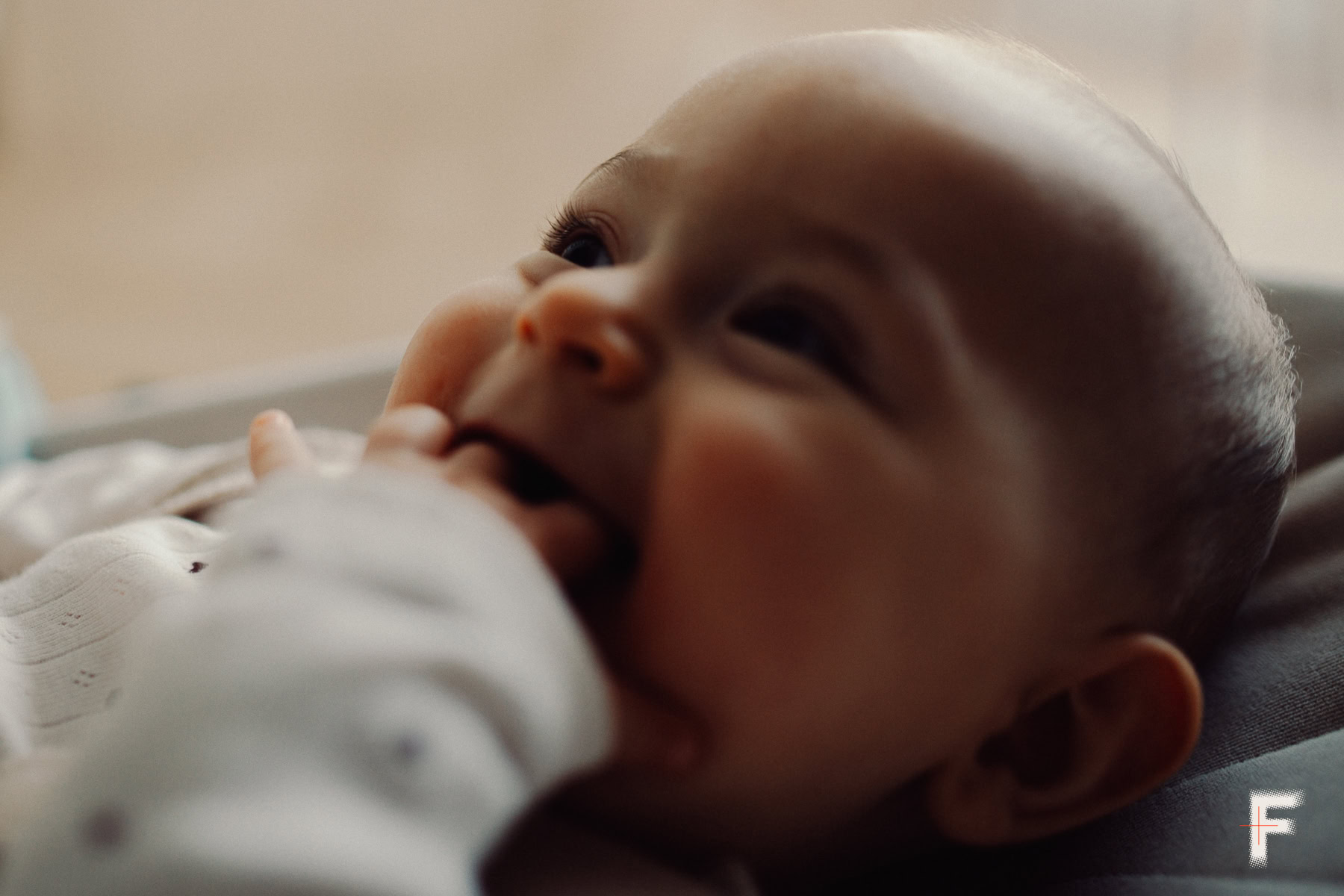
When you have a child,
you feel happiness every day,
The birth of a “Warrior Princess”
A few hours after she gave birth, an air raid siren sounded. Premature babies are placed in incubators, and Mariana could think only of how her daughter — attached to monitors and tubes — would be rushed to the shelter if the alert escalated. Fortunately, the siren fell silent within minutes, and no evacuation was required. The next alert came a few days later. This time, Mariana carried her daughter downstairs in her arms.
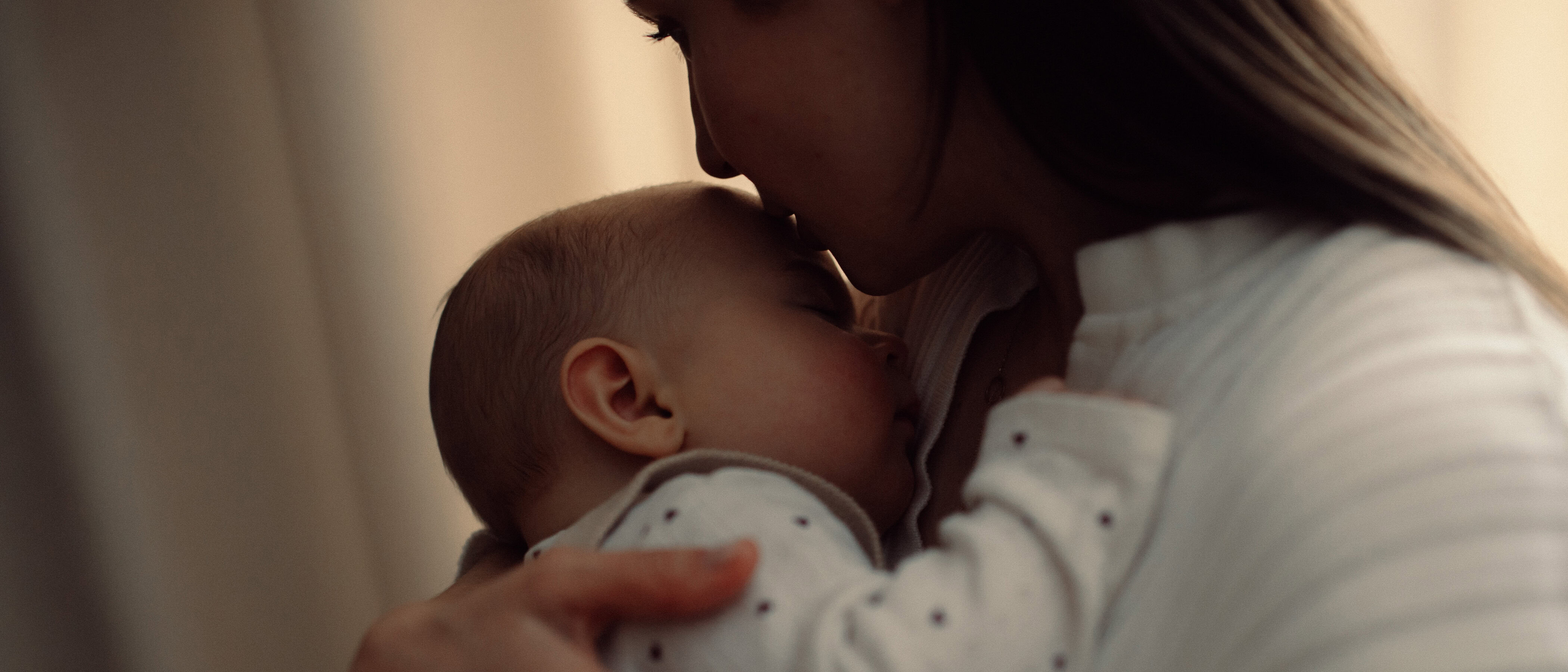
Cradling the baby, she calls her a “warrior princess.” During pregnancy, in moments of fear and uncertainty, she used the same words — telling her unborn daughter they would endure, that everything would be all right. After the birth, the baby was so small and delicate that her husband jokingly called her a “ballerina.” When she finally began to gain weight, he renamed her “Xena.” Mariana was too exhausted after delivery to press for a final decision on the name, and her husband was to decide. They named their daughter Veronika. Still, in her most tender moments, she remains “Xena, the warrior princess.”
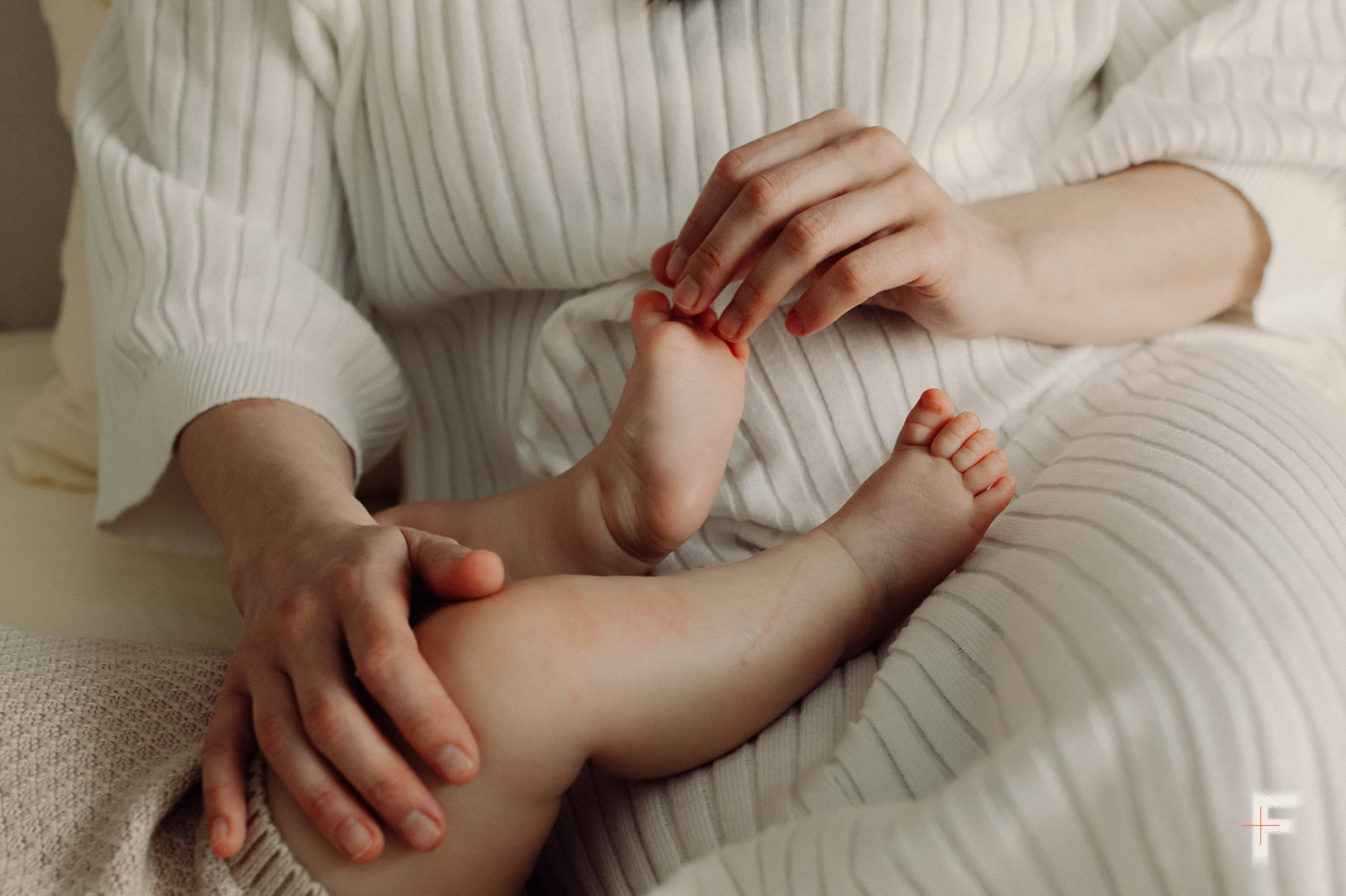
War may have become routine, but motherhood has fundamentally altered her perspective. Even the awareness of others’ suffering grows sharper once you become a parent.
“It physically hurts to know that children are dying somewhere,” she says. “You feel the war more intensely. But at the same time, you feel life more vividly. Moments with your child often outweigh the bad news. Joy outweighs grief.”
Since her daughter’s birth, the future has taken on a hazy outline. The days blur together, and long-term planning feels uncertain. Thoughts of kindergarten still feel realistic and are gradually taking shape as a shortlist of specific schools.
Anything further into the future, for now, is not something she allows herself to consider. Although life now appears relatively stable, the habit of not looking too far ahead persists. For now, she says, it is enough to take the next step and see what comes after. And despite the uncertainty, life feels fuller, more vivid.
“When you have a child, you feel happiness every day”, Mariana says. “Simply from holding her in your arms. And that’s not even counting moments when she learns something new. It’s extraordinary — a rush of endorphins, of everything at once.”
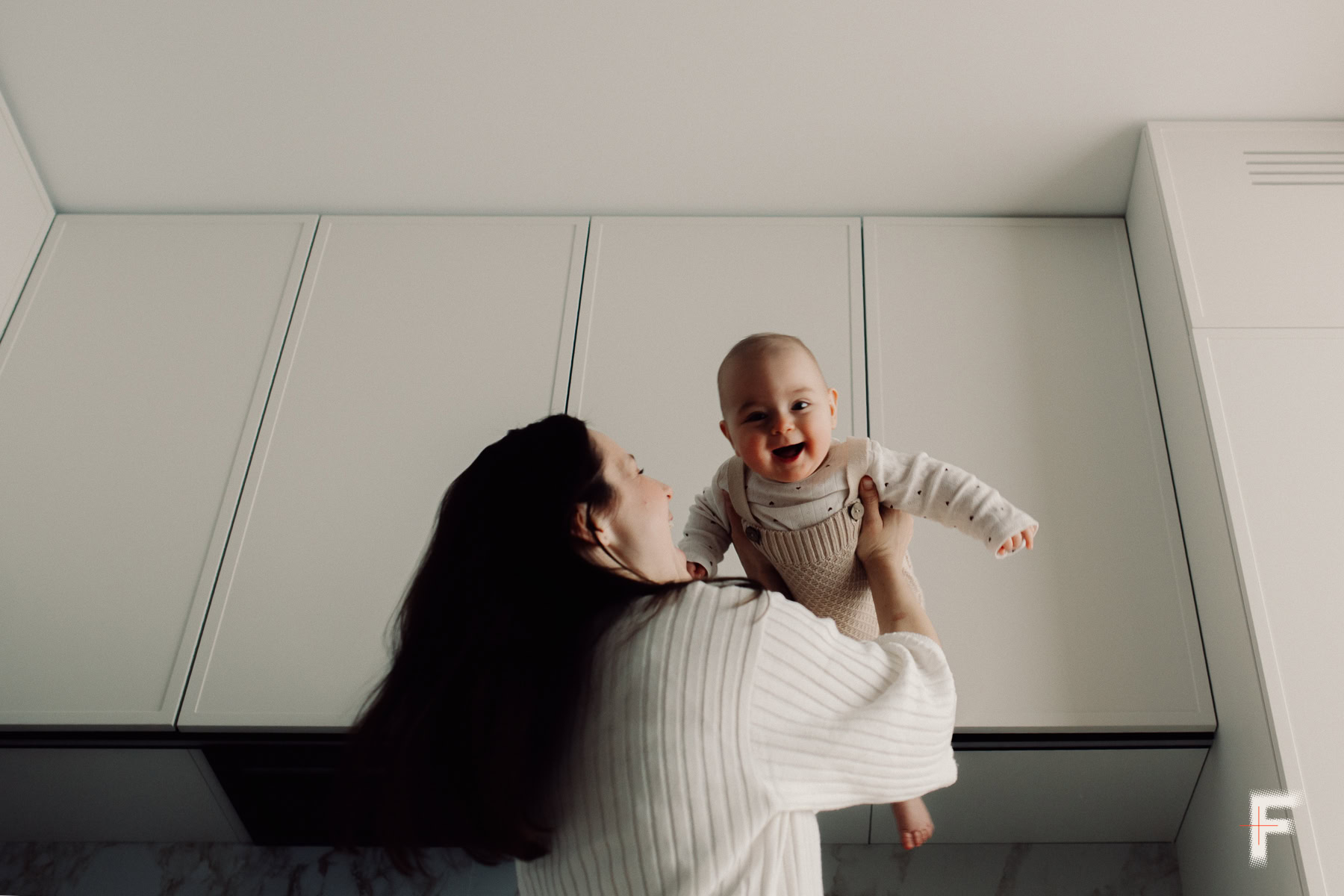
A constant alarm
Before Veronika was born, Mariana did not go to shelters during air raid alerts. Now, every time a siren sounds — day or night — she wraps her daughter in blankets and carries her downstairs. Even when her husband suggests skipping it just once, she does everything she can to create a sense of safety around her child.
Since Veronika’s arrival, as Mariana says, life has become far more complex. There are endless details to track, small tasks and larger challenges to navigate. Every routine must be carefully considered. She has grown accustomed to a constant fear — not for herself, but for someone entirely defenseless. She wakes in the middle of the night and, careful not to fully rouse the baby, carries her to the shelter. The same ritual repeats day after day, simply to keep her child safe. And yet the force of her love leaves little room for fear to take hold.
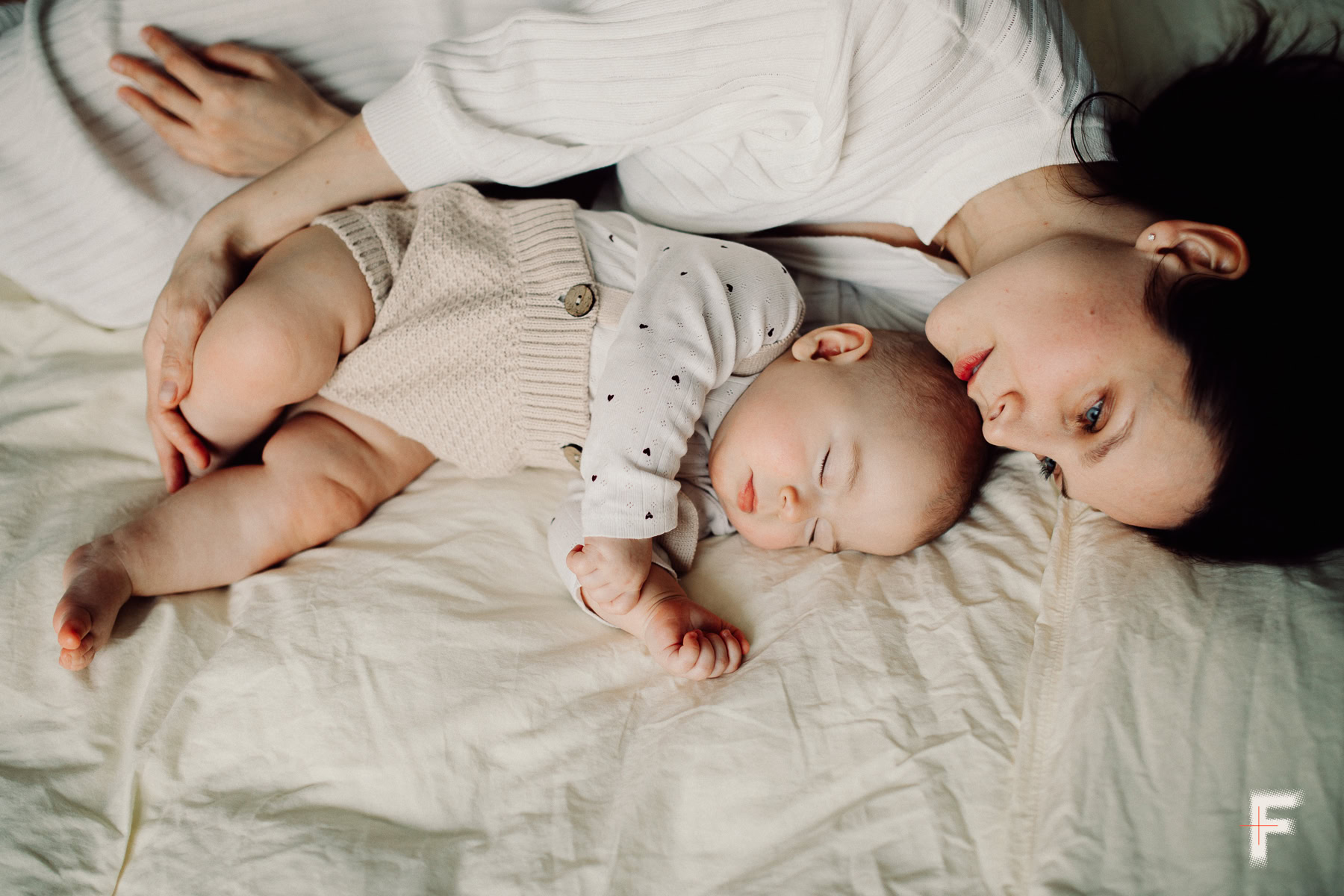
Love does not allow her to relax for even a moment or look away from her child. Motherhood is a sustained state of attention; there is no room for distraction.
“Motherhood is giving life and taking responsibility for it,” Mariana says. “She is a continuation of me. It’s not a mission or a calling. It’s simply giving life and loving her. Motherhood is love.”
Veronika was born into a world that is dangerous and uncertain. Her childhood is unlikely to be easy. And yet the love that came with her makes the world feel brighter and kinder, despite everything.
But for nearly four years now, life in Ukraine, especially for children, has been defined by constant danger. According to data published by UNICEF Ukraine, since 24 February 2022, more than 3200 children have been killed or injured and there has been no respite.