A war that won’t fit on a phone screen: one Gen Zer’s journey to reporting
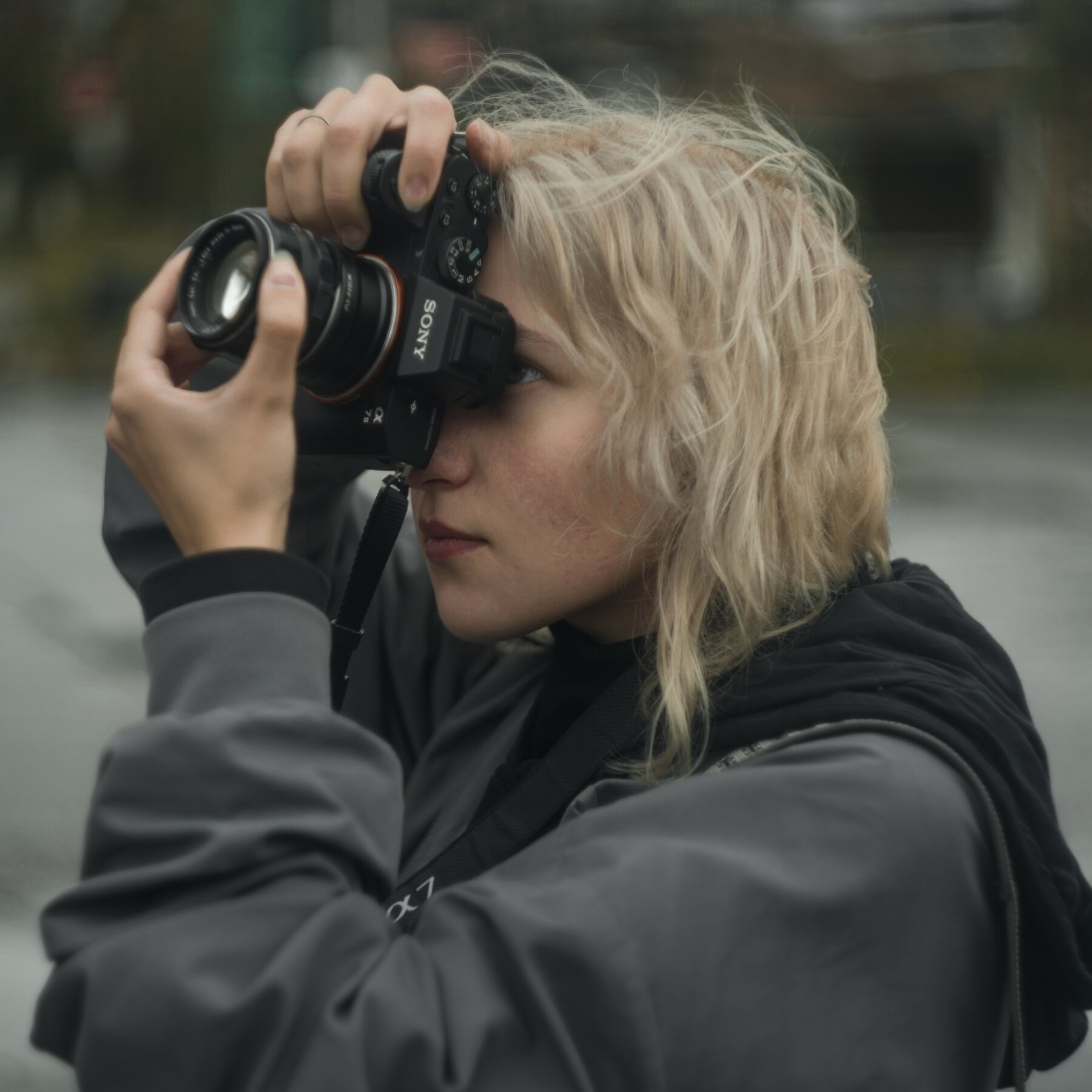
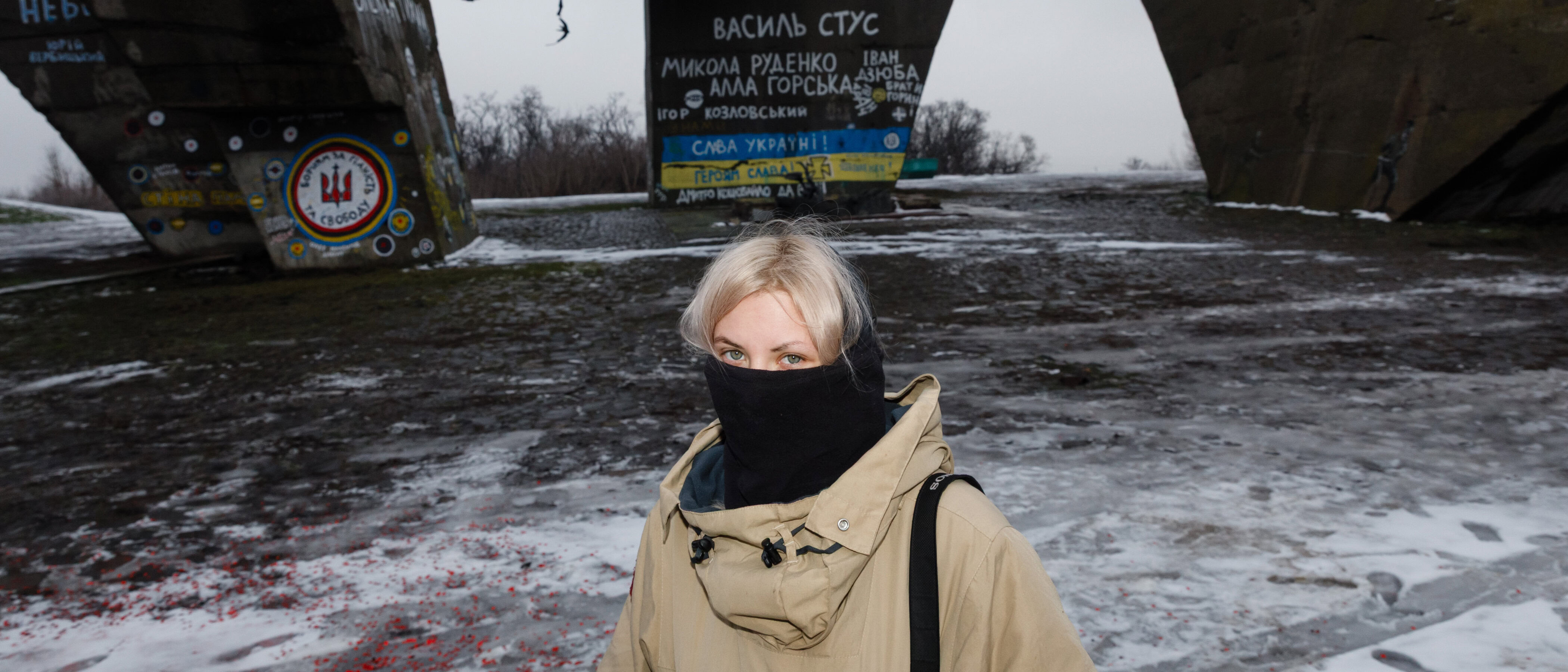
Anxious Gen Zers are willing to risk their lives to witness the realities of war. For some in the younger generation, this becomes a path into a profession, particularly journalism. Frontliner journalist Marharyta Fal tells the story of how her desire to understand the war took her from the relative safety of Poltava to reporting from the front lines.
On the morning of February 24, 2022, I was at my parents’ home in Poltava when a phone call from a friend woke me. He was shouting something about the war and insisting I leave. After hanging up, I got dressed and made my way to the train station.
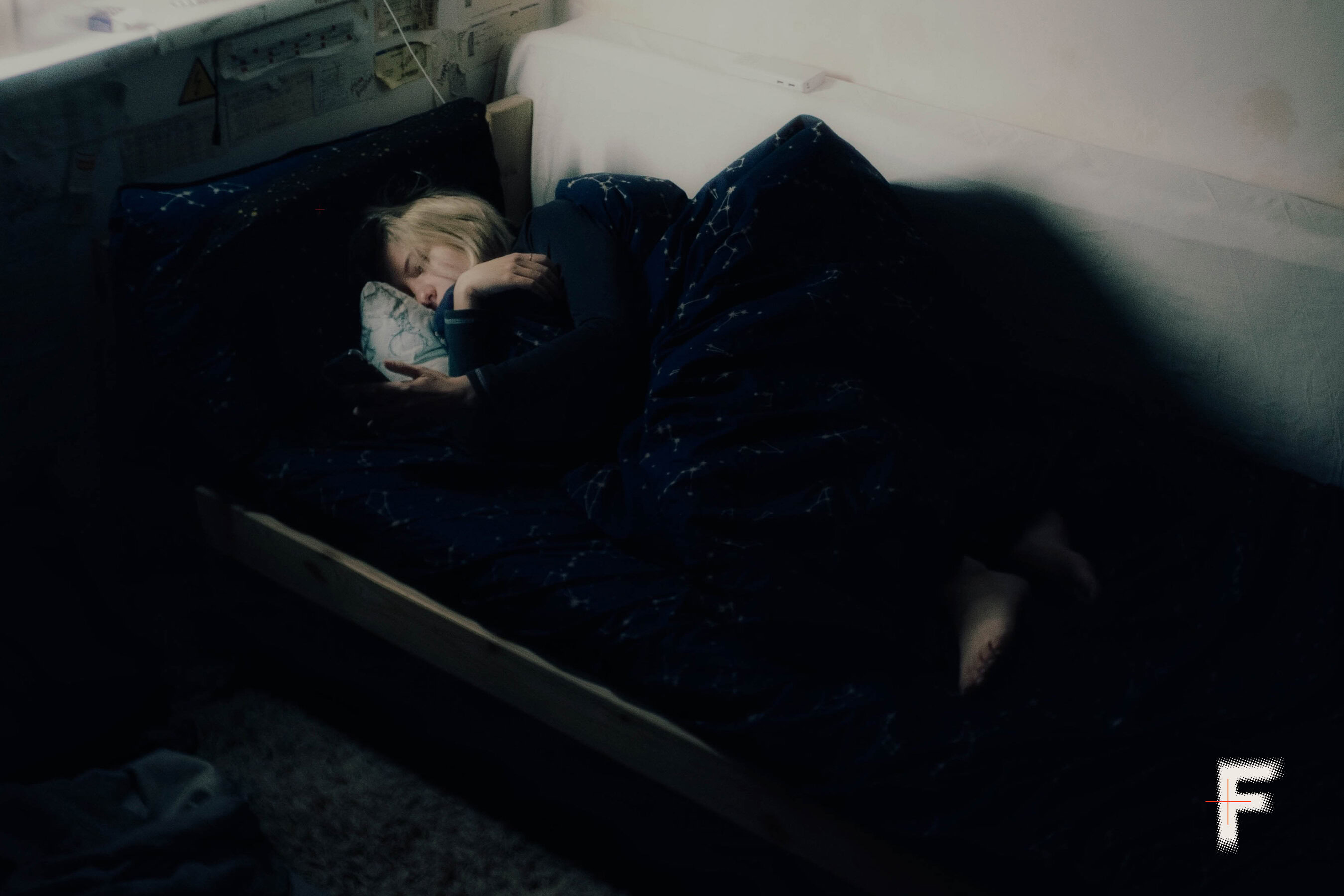
Soon I found myself at Poltava-Kyivska station, watching people cram into overflowing train cars. Men with yellow ribbons on their clothes hugged their wives and children, tears streaming down everyone’s faces. The streets were clogged with cars from Kharkiv, Donetsk, and other regions. Public transport had stopped running; the city wasn’t prepared for such a wave of refugees. Photos of the killed and tortured appeared online every day. Poltava had become a massive waiting room, with the only window to the world a phone screen.
The more news I read, the harder it was to believe it was real. My mind refused to process so much human suffering through text alone. Life had changed, or at least, it felt that way. I was safe, but that safety felt hollow, almost shameful. I woke each morning with the nagging sense that I was missing something crucial, that history was being written somewhere nearby, and I was only reading its drafts. I longed desperately to go home.
Silent mode
I returned to life between Dnipro and Poltava. It wasn’t a strategic choice or a professional challenge. Poltava was quieter, and I felt at home here. My friends lived in Dnipro, and I simply loved the city. That love proved stronger than my instinct for self-preservation.
The proximity to occupied territories, the sight of people in uniform carrying weapons, the ever-present war, it had been a background hum here since 2014. Road signs pointing to Donetsk caught my eye and pulled me back to memories of a ten-year-old girl: my mother’s tears at the news from Maidan, the sorrow in my father’s eyes, conversations about the occupation of Crimea, Donetsk, and Luhansk.
Despite those troubling childhood memories, I hadn’t truly felt danger until an explosion went off near the supermarket where I was buying groceries. Within a minute, I was on the street with my bag in hand. There was no pillar of smoke or anything dramatic, but a strange smell of burned construction materials and the ringing of car alarms made it clear something had hit nearby.
People around me froze for a moment and then, as if on cue, began scattering quickly. That strike, its sound and smell, didn’t teach me what war looks like, but for the first time it made me feel that it existed beyond the news. I realized that understanding what was happening around me had become essential.
A new point on the map
Our generation is often criticized for being uncommunicative or unmotivated. But it’s hard to find your bearings when your world is limited to inches on a screen, when even student life happens in Zoom calls and pajama pants. Still, I didn’t want to miss the chance to step beyond those boundaries.
At the time, I was studying at the Kharkiv Academy of Culture and visited the city occasionally. One day, in an effort to help us connect with the outside world, our teachers invited a local journalist to speak with us. I struck up a conversation with him and told him that creativity in Ukraine didn’t feel meaningful to me at the moment, that I couldn’t find my place there, that the war was everything. He smiled and gave me the contact numbers of a few media professionals who could guide me on where to start in journalism.
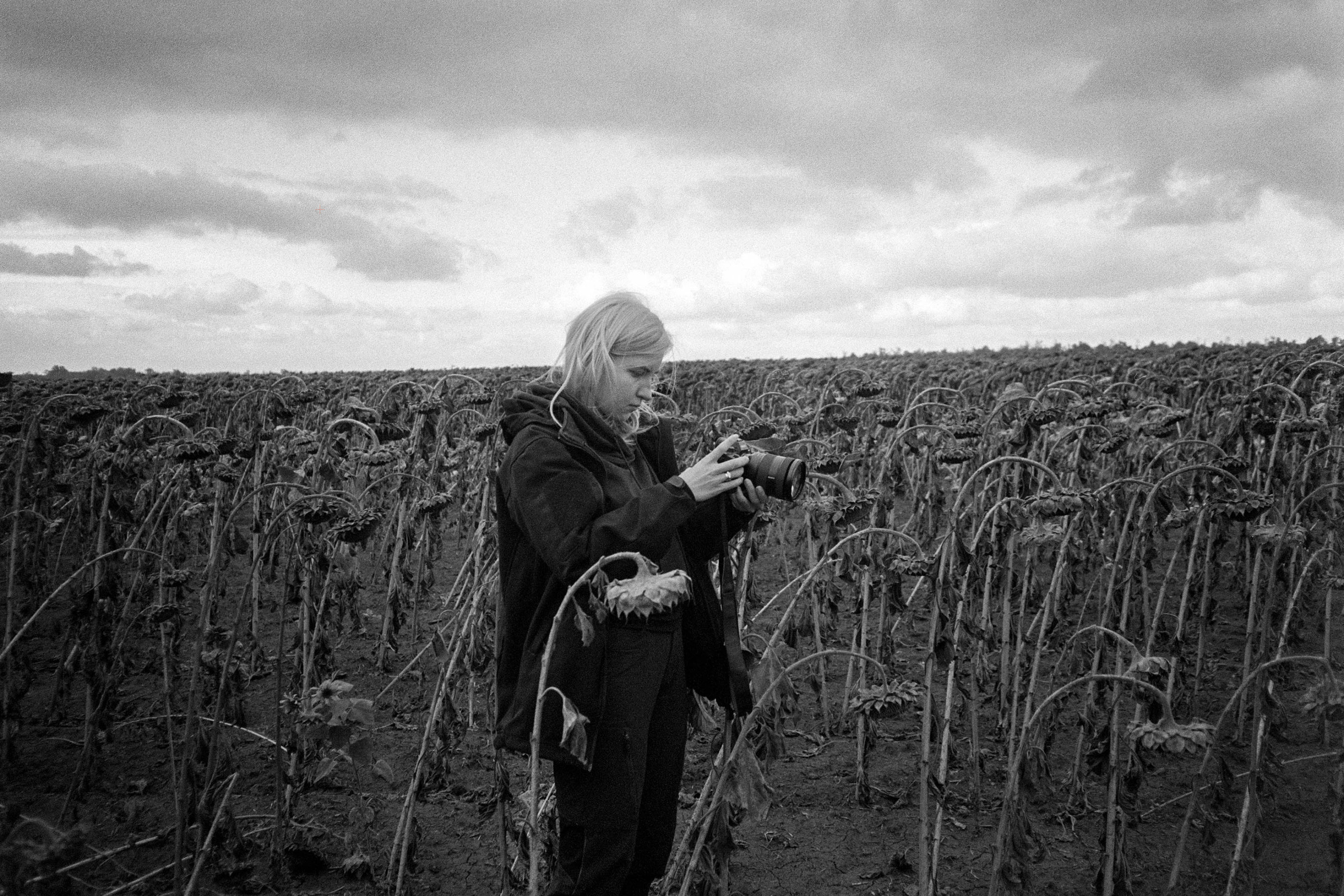
Like most cautious Gen Zers, I spent a few days nervously staring at those numbers before finally making the call. After an interview, I was hired by one of Kharkiv’s outlets, where I produced my first photo report.
Mourning with a bright smile
By the end of 2024, I was living in Kharkiv, covering drone strikes, interviewing residents, and documenting visits by foreign delegations. I remember how they would position themselves “just right” for photos against the backdrop of destroyed buildings in Khrakiv’s north Saltivka. They tried not to let their polished smiles show while speaking on camera. Their words about deep concern echoed in my mind.
But it was only after a nighttime drone attack, sitting among the rubble of my first rented apartment, that I truly realized how vast the contextual gap can be between people from different countries, between neighboring regions, and even between my present self and who I used to be.
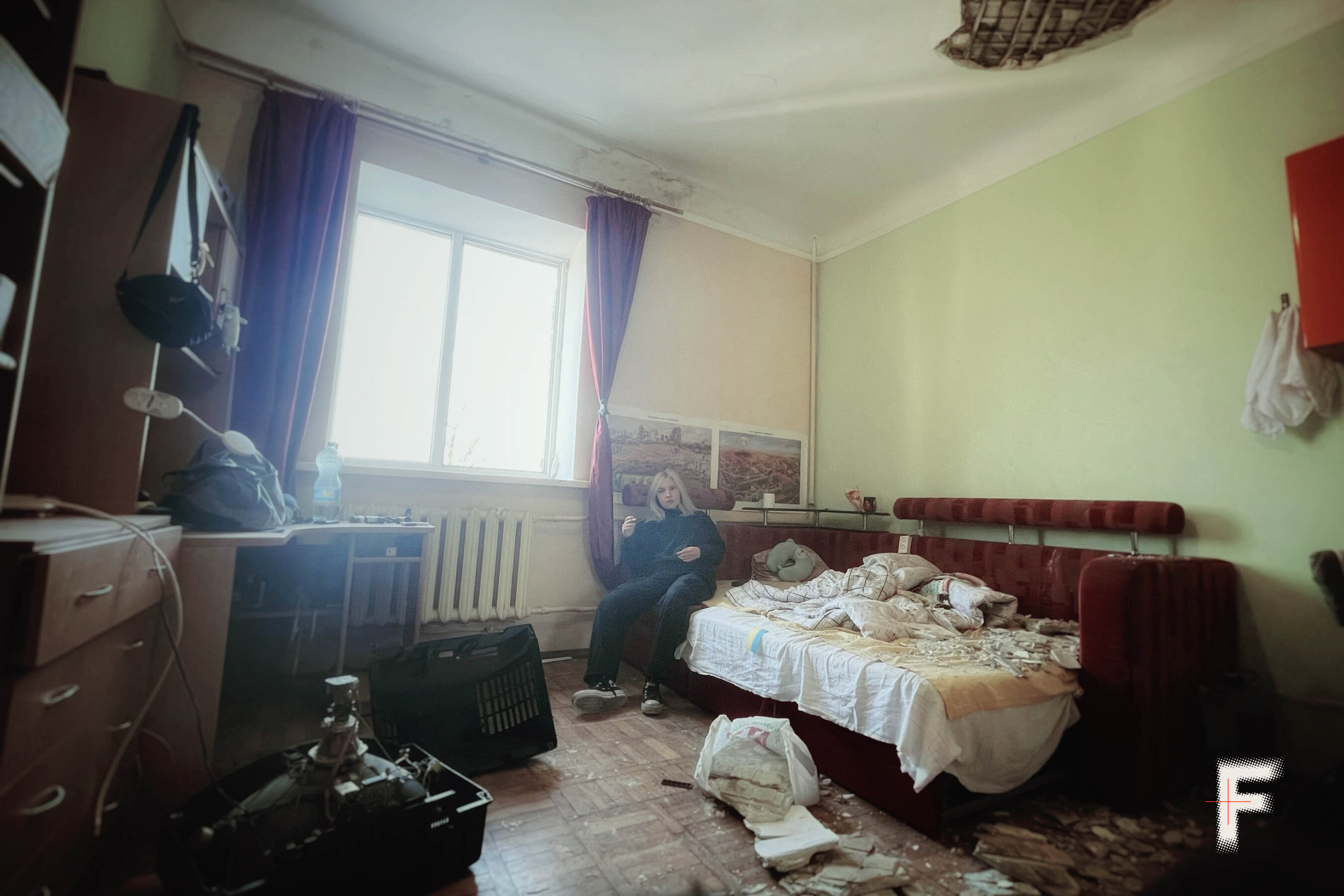
For me, journalism is a way to bridge the gap between facts and life. It’s a small attempt to regain control in a world that has changed too quickly. By covering the war, I’m simply trying to make sense of reality and be useful. It’s my way of recording a shared experience—for those who have already seen the rubble of their own homes, and for those who still view the world only through a screen.
***
Hi, I am Marharyta, the author of this article. Thank you for reading to the end. Every day, we work in life-threatening environments and report from the front lines and the surrounding areas to document the reality of the Russo-Ukrainian War. To protect the lives of our teammates, Frontliner, in partnership with UA First Aid, is raising funds for 30 first-aid kits for our team. Join the Frontliner community so we can keep telling important stories from the ground.
***