Journalism as a pass: navigating a world where pragmatism meets the miraculous
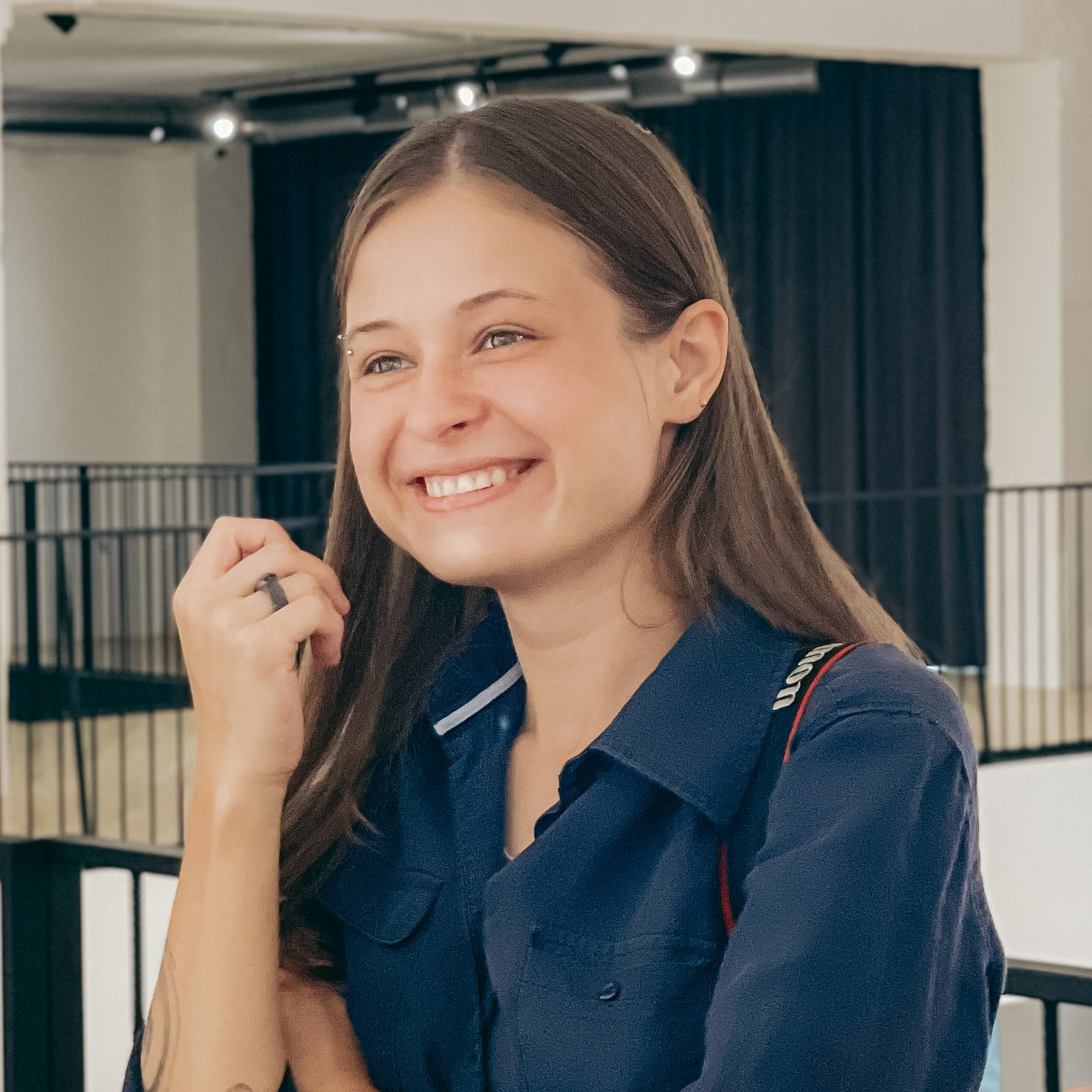
Curiosity brings many into journalism, a field that irrevocably changes one’s priorities and daily rhythm. Working closely with people means navigating the space between tragedy and triumph: the deep immersion in pain and grief, and the witnessing of man-made miracles. Oleksandra Rakhimova, a photographer for Frontliner, shares experiences from her first year of wartime reporting.
I graduated with a journalism degree in 2017, but it wasn’t until 2025 that I felt a true calling to the profession. The industry had transformed during my time away, leaving me feeling like a novice. Furthermore, I chose a specific path: I decided to work as a photojournalist.
My first real assignment was a dispatch from Kherson in February 2025. I still don’t know why my editors greenlit the trip and a fellow reporter agreed to join, but the venture went ahead. It was a risky move; I had no formal experience in producing journalistic content. My only motivation was a desire to return to the South — to my home — and reconnect with people that had been deeply transformed by war and occupation.
Unique events and unforgettable people
That is how my story on the city’s underground shelters began, the places where women learn self-defense, a theater continues to stage plays and children can finally get a chance to see their friends in person. One of the mothers requested a photograph of her son and his classmate; it was their first face-to-face meeting in three years. She wanted to capture the moment for the future.
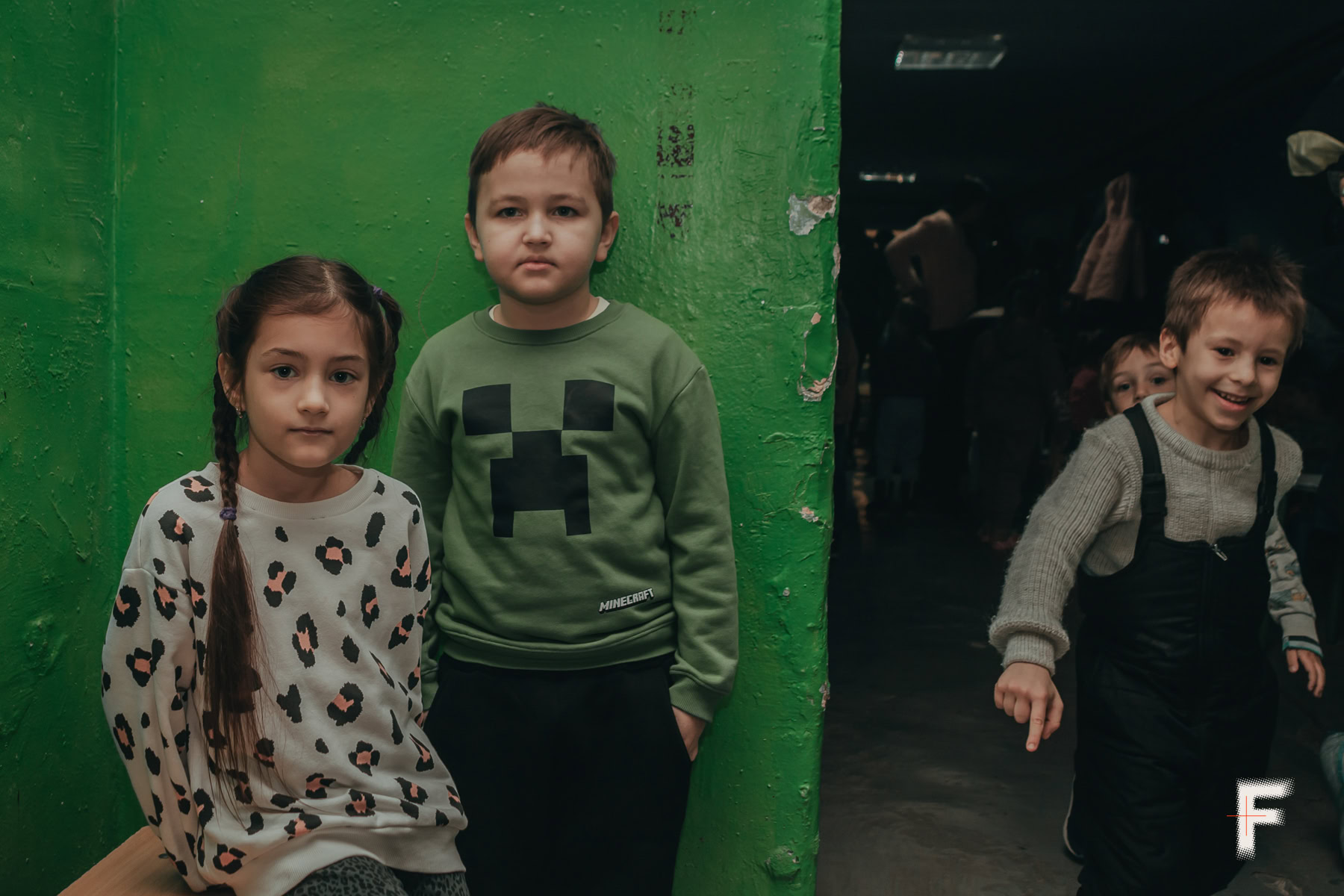
During that trip, we stayed at a friend’s house just two kilometers from Russian firing positions. The first night, sleep was impossible. It felt as though the house was dancing to the beat of the heavy cannonade. Eventually we grew used to it. The explosions became a backdrop to daily life — present while riding the trolleybus, dining at a local café to the notes of a live saxophonist, or even observing the scars of the occupation, from the graffiti on looted stores to the abandoned box of Russian tea.
In April, I made my second trip to Kherson to interview injured civilians. Snow fell that day. It was a stroke of luck, as the weather grounded most FPV drones, giving us a rare window to work in relative peace.
A local surgeon, speaking after a procedure on a wounded patient, emphasized the scale of the crisis: “You have to realize that every person here is profoundly traumatized.” Among those I met was a woman wearing donated clothing after her home was twice destroyed by Russian shelling, and an elderly man who survived injuries, hypothermia, and dehydration. As we left, he asked us simply to stay safe.
When I returned to journalism, my reasoning was simple and pragmatic: a press card would grant me access to places otherwise off-limits. Would I have ever found myself attending a heart transplant if I hadn’t taken the risk and applied for a job at Frontliner a year earlier? Of course not.
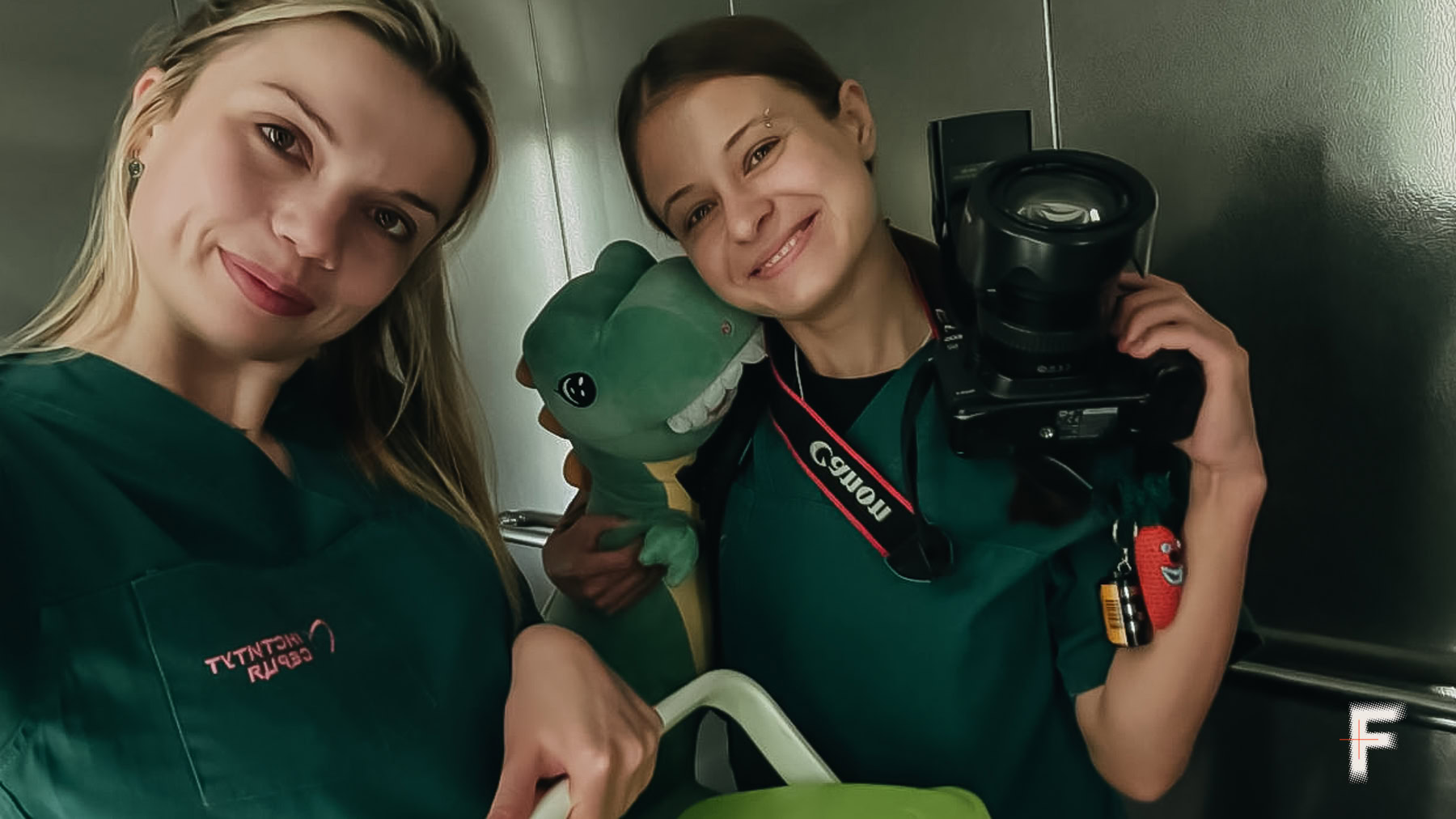
I stood in the operating room as surgeons removed one person’s heart and sutured it in another’s chest. I saw it begin to beat with my own eyes. That experience taught me how a life lost can become a life saved.
Could you really say no to this?
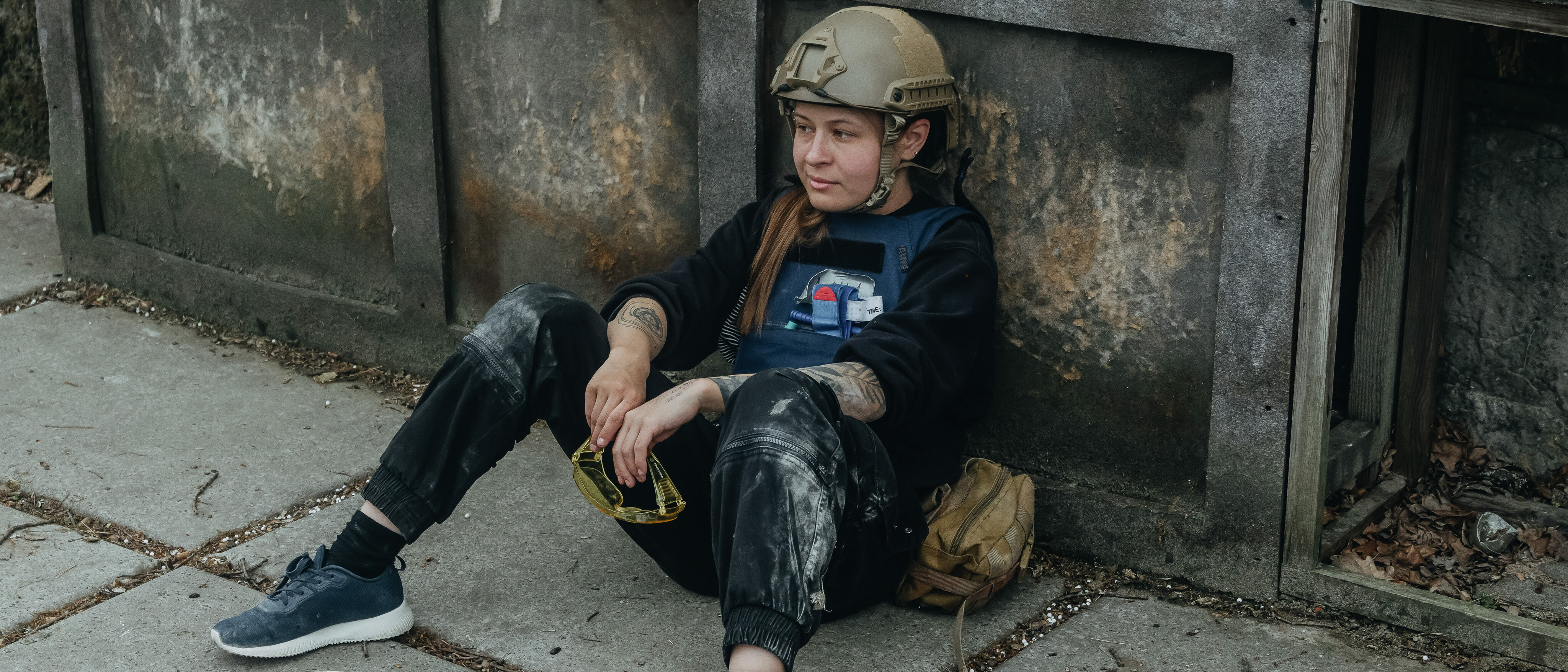
As a wartime reporter, you see people who will go on prosthetics or even crawl if they have to, just to reach the places everyone else is running from. At the same time, it is a reality where you must absorb the grief and pain of others. You learn to handle it on the fly, as no amount of training can truly prepare you for what you encounter.
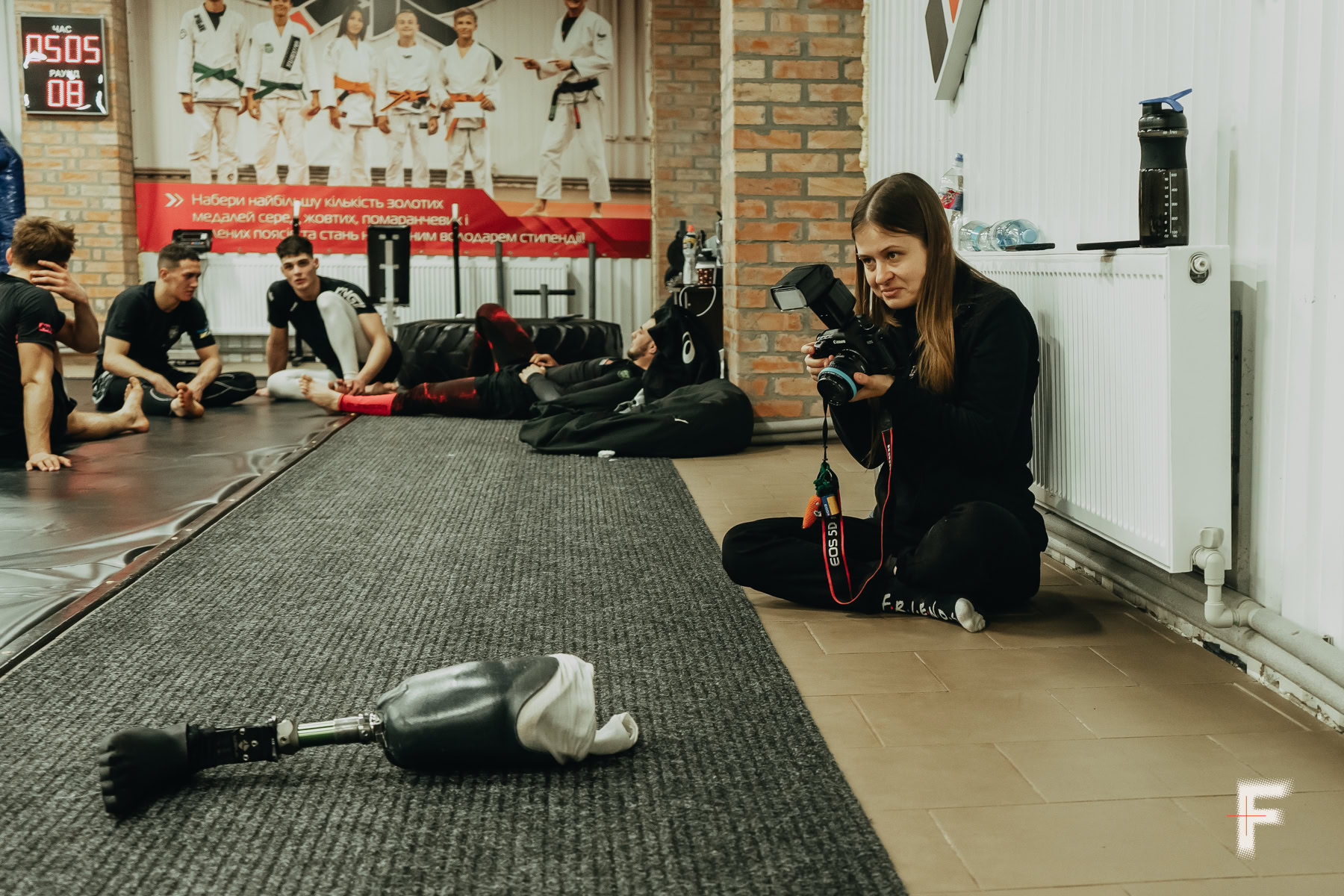
There are parts of this job that don’t get talked about as often. For one, you’re going to make mistakes constantly, no matter how hard you try not to. In those moments, having a supportive team to learn from is a stroke of luck. You’ll burn through massive amounts of energy just figuring out the logistics of getting around. Travel is never comfortable; it’s inconvenient, grueling, and usually happens on a moment’s notice. A heavy backpack containing emergency essentials becomes as much a part of you as your bulky first-aid kit. Despite careful planning, unexpected challenges are inevitable. Eventually you accept that the only thing truly under your control is how prepared you are. The rest of the world can flip upside down in a heartbeat. You also have to reckon with the fact that many people simply don’t want to talk to the press. Their prejudices and fears were formed long before you stepped into this world. To romanticize this job is a grave mistake.
So, why do I stay? For the curiosity of what lies ahead: the new faces, the photographs, and the stories yet to be shared. It remains to be seen whether Ukrainian society can finally accept that a free and professional media is not a given. These outlets are more than mere ‘content producers’, they are a vital voice that requires domestic support to be heard effectively on the international stage.
Adapted: Myroslava Andrusyk