Photos after strikes: How one post can aid the next attack
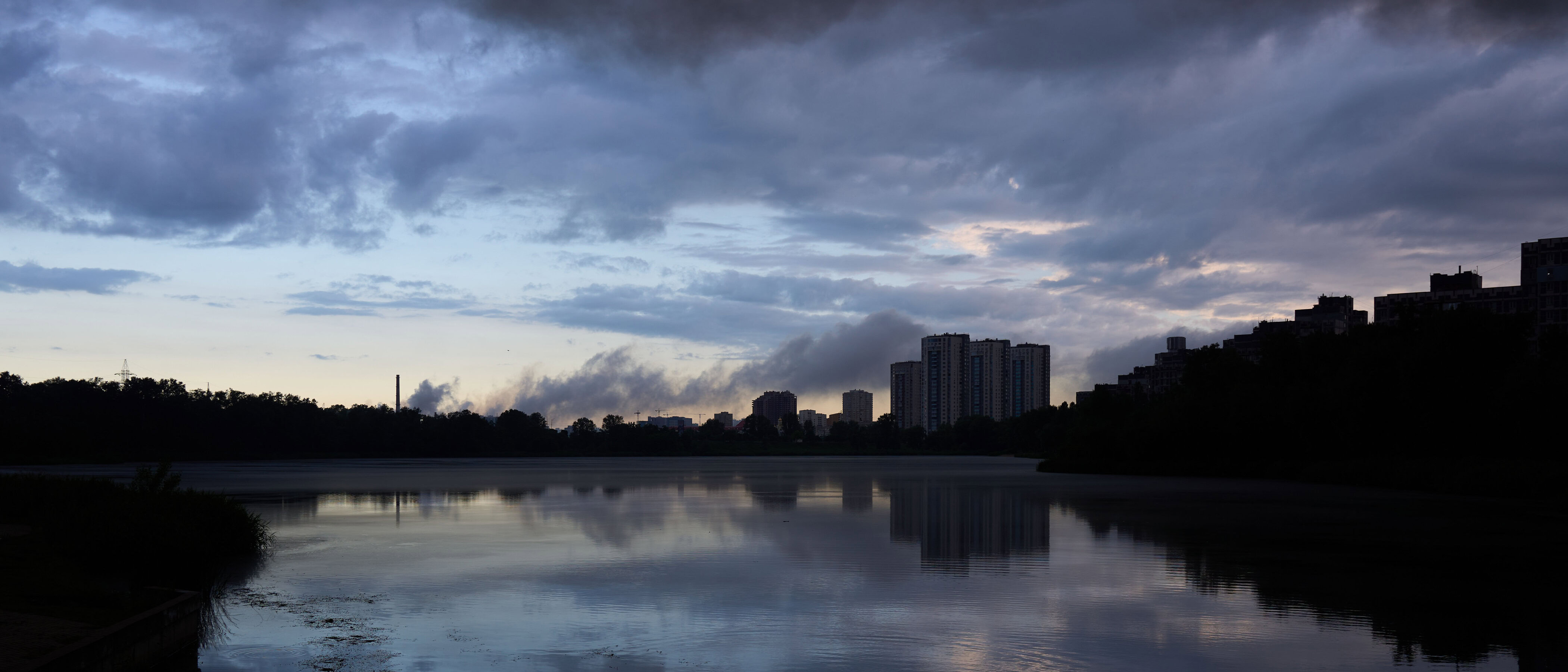
After a Russian strike, smoke rises over the city. Within minutes, Telegram channels are circulating video from the impact site, and Russian forces may gain additional data on the results of the attack. In October 2026, the Security Service of Ukraine (SBU) again warned of the danger and reported 75 convictions since the start of the year for sharing sensitive photos and videos. Frontliner explains how unchecked footage can aid later Russian strikes, what is illegal to publish and how journalists' coverage differs from eyewitness posts.
After an explosion, people try to understand what happened. Some photograph smoke over buildings, others film a fire or damaged structures. The recordings are sent to friends and posted in local chats and Telegram channels. Along with news of the attack, they can contain details of interest to Russian forces.
On Oct. 4, 2026, the SBU urged Ukrainians not to share footage of strikes on military facilities and critical infrastructure, or of air defense at work. The agency said that Russian forces analyze such material and can use it in further attacks. On Oct. 19, the SBU reported 75 convictions since the start of the year in cases involving the disclosure of sensitive information.
How a photo helps assess the results of a strike
What one video gives away
A video can capture far more than its author intended to show. Recognizable buildings, road signs and terrain features make it possible to determine where it was filmed. The nature of the damage, the smoke and the fires can can reveal more about the effects of the shelling.
Footage of air defense at work poses a particular danger. It can reveal the locations of Ukrainian units or other details of their combat operations. Even a short clip can contain information the military does not release for security reasons.
How the information is used for later attacks
Russian forces can compare photos and videos with other available data. That helps them refine their picture of a strike’s effects, assess damage to facilities and determine whether the intended result was achieved.
The SBU warns that such information can be used to adjust later attacks. At the same time, the mere appearance of a photo online does not prove that it caused a repeat strike. Such a conclusion requires investigative findings or other verified evidence.
Why people keep sharing footage after shelling
From eyewitness to local chat
After an attack, people often want to warn their loved ones of the danger as quickly as possible. A photo is sent to a building residents’ chat or to friends, who may forward it on. In this way, a recording meant for a few people sometimes ends up publicly available.
There is no reliable research on the motives of Ukrainians who post such material, so it cannot be said that the main reason is a desire for attention or views. What matters more for security is the content of the footage that is made public.
How video spreads through Telegram channels
Local channels can quickly spread eyewitness recordings. A single clip appears in several posts, sometimes with new captions and guesses about where the strike landed. Each repost makes the information more widely available.
Telegram channel administrators do not check whether the material they receive contains sensitive information. Publishing unverified video can also contribute to the spread of false reports about the effects of shelling.
What posting dangerous footage can lead to
When criminal liability applies
Article 114-2 of Ukraine’s Criminal Code makes it a crime to disseminate without authorization information specified by law about weapons movements and about the location and movement of Ukrainian military formations during martial law. Depending on the circumstances, the punishment can range from three to 12 years in prison. The mere act of posting a photo of a damaged civilian building does not automatically constitute such a crime.
On Oct. 7, the SBU said it had named a Kyiv resident a suspect who, according to investigators, filmed the positions of Ukrainian air defense and sent the video via Telegram. An expert examination found that disclosing this information harmed state security. The man faces up to eight years in prison.
How journalists’ reporting differs
Journalists may photograph and show the effects of Russian shelling, following established safety rules. Newsrooms observe restrictions on when material can be published, check material for sensitive information and, when necessary, clear it with the relevant authorities. This allows them to document destruction, tell the stories of victims and inform the public without revealing data that could help Russian forces.
At the same time, journalist status does not in itself give anyone the right to publish information about air defense positions, military facilities or other restricted material. What matters is the content of the material, compliance with the rules for releasing it and the possible consequences of disclosure. Guidance for media work is available in a memo from the Institute of Mass Information.
How to report on shelling safely
- Warn of the danger. Tell loved ones about the threat and the need to take shelter, without photos of military facilities.
- Do not film air defense at work. Do not share the positions of units, missile launches or other details of combat operations.
- Do not reveal impact sites. Avoid posting footage that makes it possible to determine the location of important facilities or assess the results of strikes.
- Rely on official information. For reports on the effects of shelling, check data from the State Emergency Service (DSNS), military administrations and other authorized bodies.
- Do not forward questionable recordings. If a video has already appeared in a chat, consider whether it contains sensitive information and do not help it spread.
- Report suspicious requests. If someone asks you to photograph a military facility or pass along information about air defense, call the SBU at 1516.
Photos of the aftermath of Russian strikes help document the war and inform the public. At the same time, certain details in them can endanger civilians and troops. Before posting, it is therefore important to consider what information a shot contains and whether sharing it could help Russian forces.