Invisible trauma of war: how Ukrainian surgeons restore hearing to wounded soldiers
For service members whose hearing was damaged in combat, help is becoming easier to reach. A new microscope at Kyiv’s Hearing Restoration Center is expected to increase the number of complex surgeries performed under a free program and reduce waits that once ran for months, with backlogs at state hospitals stretching up to half a year, notes a report by Frontliner.
“I’d rather be advancing under fire than giving an interview,” Vitalii Davydenko says as we walk toward his hospital room. He tries to deflect with a joke, but his preoperative nerves are hard to hide. Davydenko is one of an estimated 40,000 service members currently awaiting surgery to restore their hearing.
At 38, Vitalii is on the long road to recovery from a blast-related injury. In September 2025, his pickup truck hit an explosive device during a combat mission. He survived with leg injuries, but the blast’s shock wave shattered his eardrum, a condition doctors call acoustic barotrauma, a signature injury of this war.
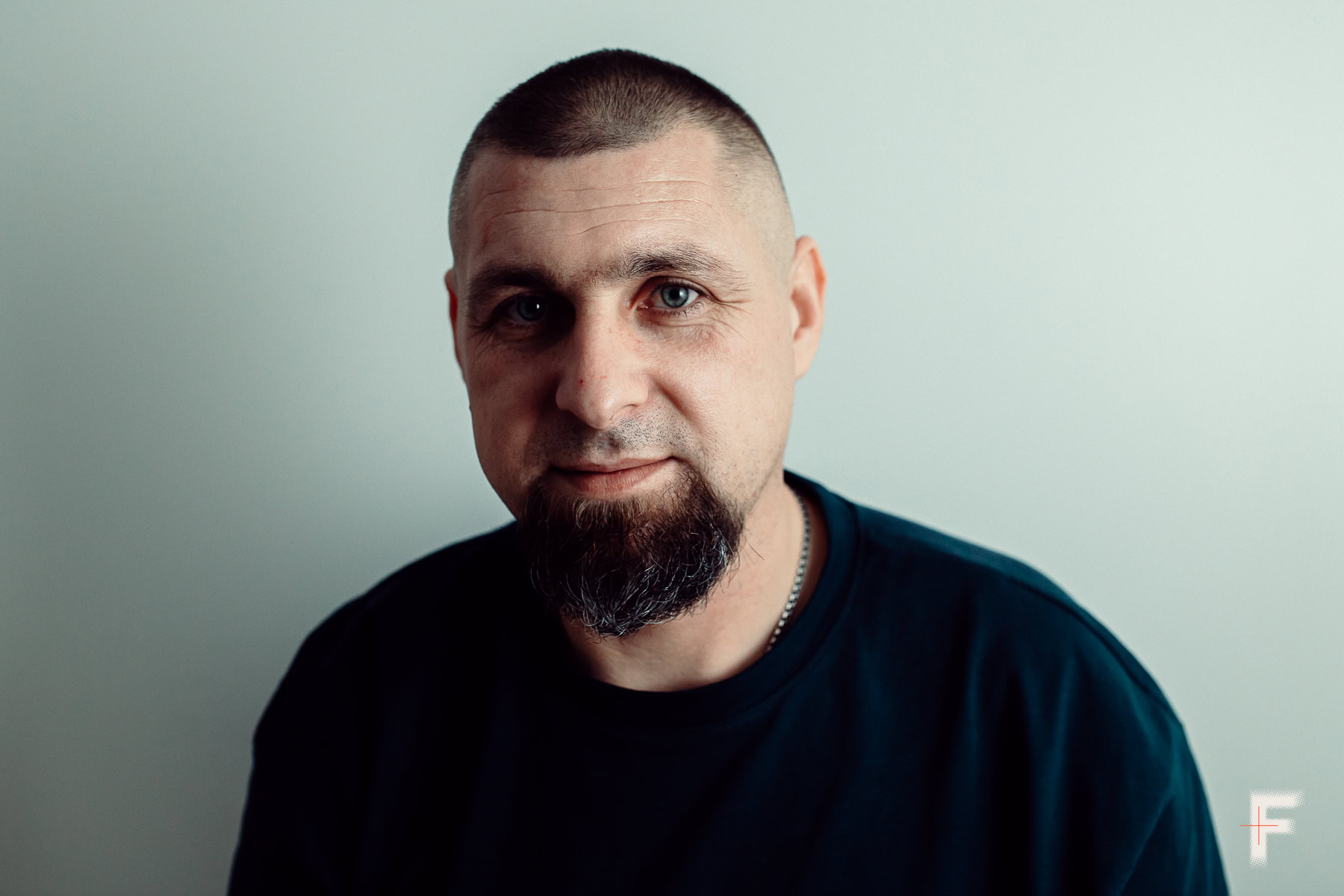
“I’m completely deaf in one ear, but in a way, it’s a blessing,” he jokes. “When the air raid sirens go off and the explosions start, I just lie on my good side and don’t hear a thing.”
Despite the humor, the reality is a daily struggle. He often misses what people say from his left, forcing him to ask for constant repetitions. Whether at the store, the hospital, or just walking down the street, he has developed a reflex of turning his right side toward others to catch their words. The moment he learned his hearing could be restored, he didn’t give the surgery a second thought.
After a month on the waiting list, Vitalii is undergoing a final battery of tests, including an audiometry exam to pinpoint the extent of the damage. Surgeon and nose and throat specialist Kateryna Aktiinova explains that the blast damaged his auditory nerve. While the surgery will significantly improve his hearing, it will not fully restore it to a normal range for his age, as surgery cannot repair nerve fibers.
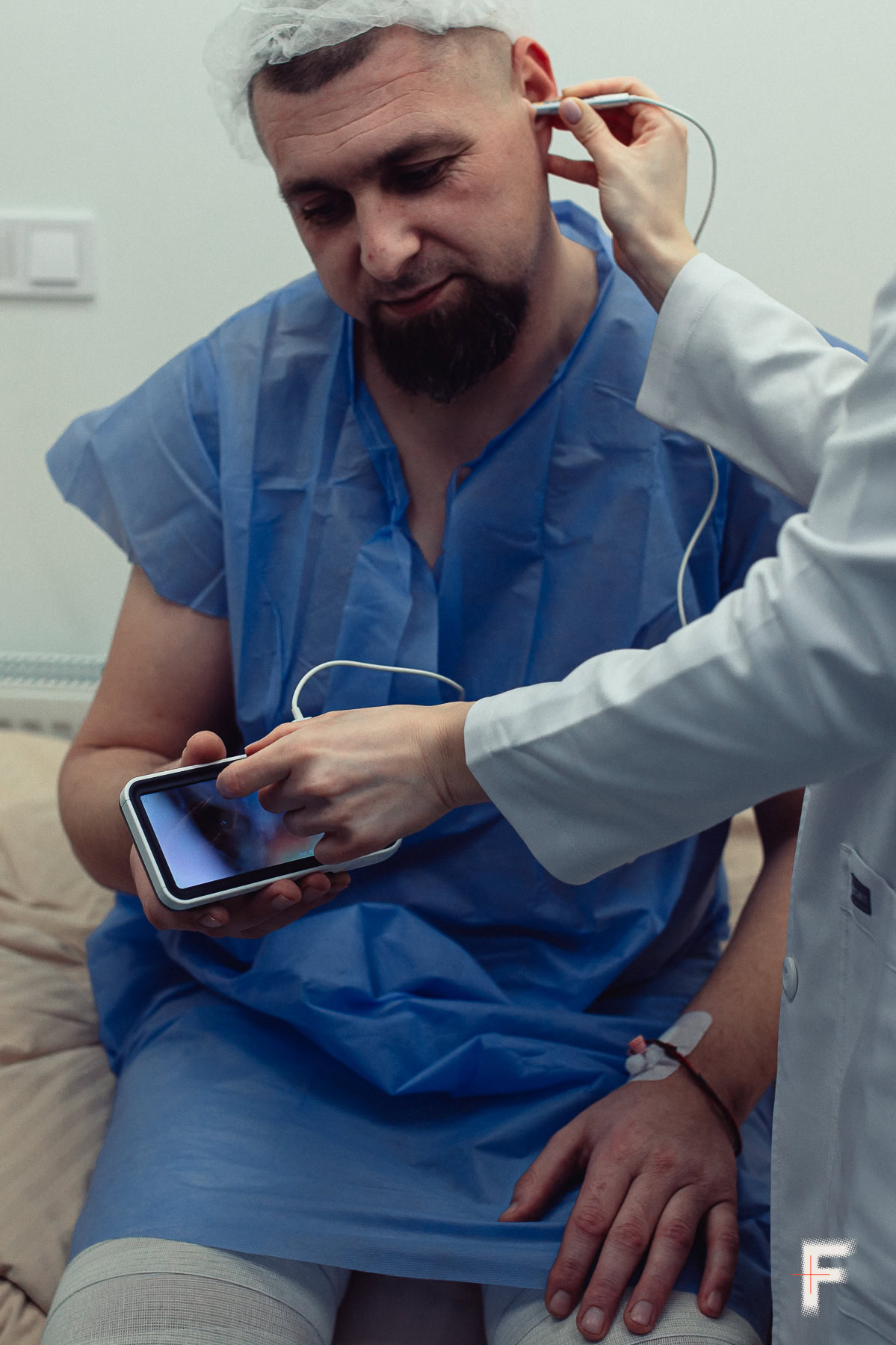
The surgeon will perform a tympanoplasty, a procedure to repair the eardrum and reconstruct the middle ear. The surgery is designed to help Vitalii regain his sense of spatial hearing — the ability to judge sound direction and volume — which was lost in the blast. To do this, surgeons will use a graft to replace the eardrum and mend damaged components of the auditory system.
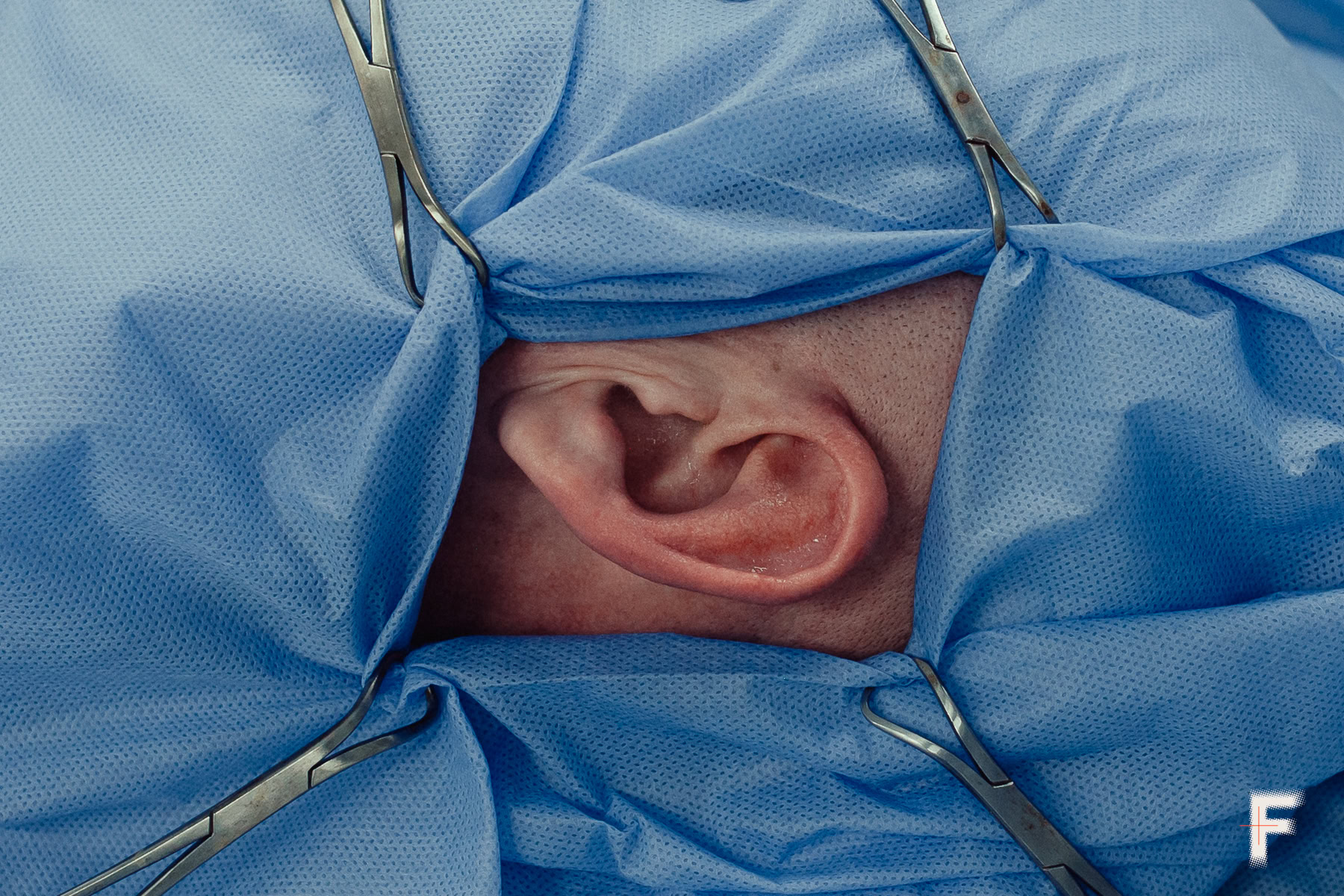
The surgery is expected to last about an hour. While doctors describe it as technically demanding — with risks ranging from facial nerve damage to repeat perforations — the atmosphere in the operating room is remarkably calm.
“Did anyone watch the Super Bowl?” the surgeon asks while holding a scalpel.
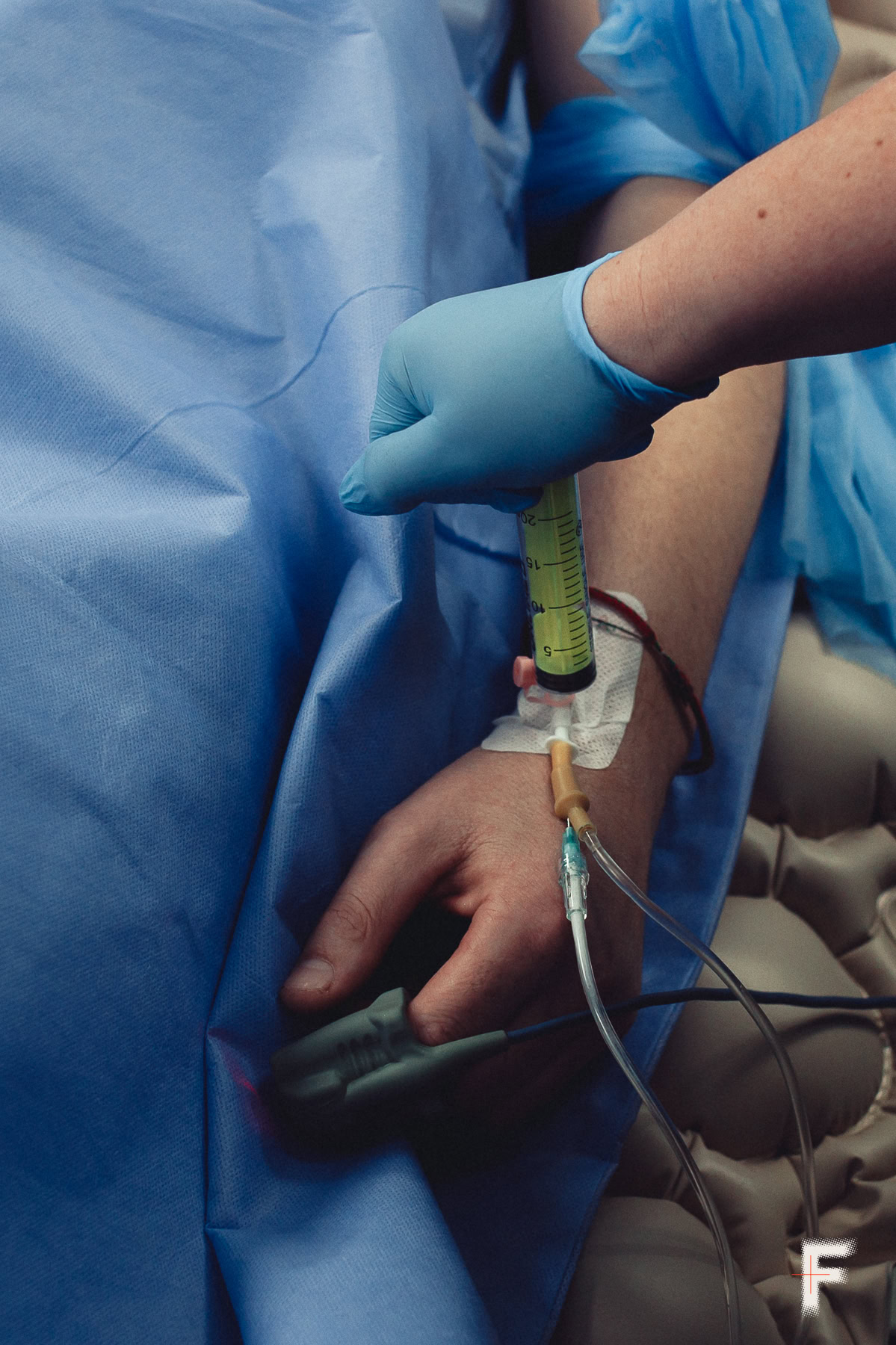
“No one? Who am I supposed to talk about it with?” the surgeon quips. For a team seasoned by years of experience and a constant stream of patients, the music, jokes and casual banter are simply part of the rhythm. An assistant and a full anesthesiology team stand by, closely monitoring Vitalii’s vitals as the work continues.
-
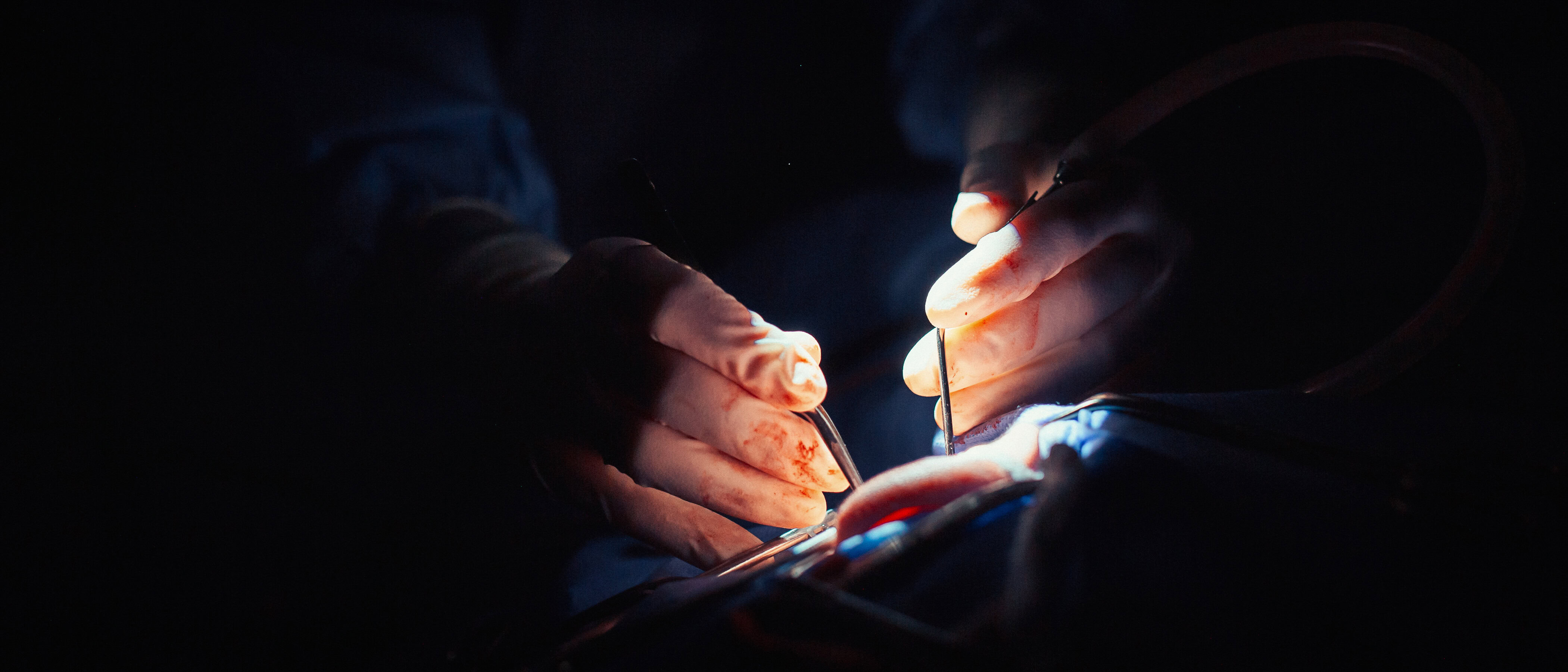
Surgeons begin a procedure to repair a patient's eardrum in Kyiv, Ukraine, Feb. 14, 2026. (Anna Zubenko/Frontliner)

-
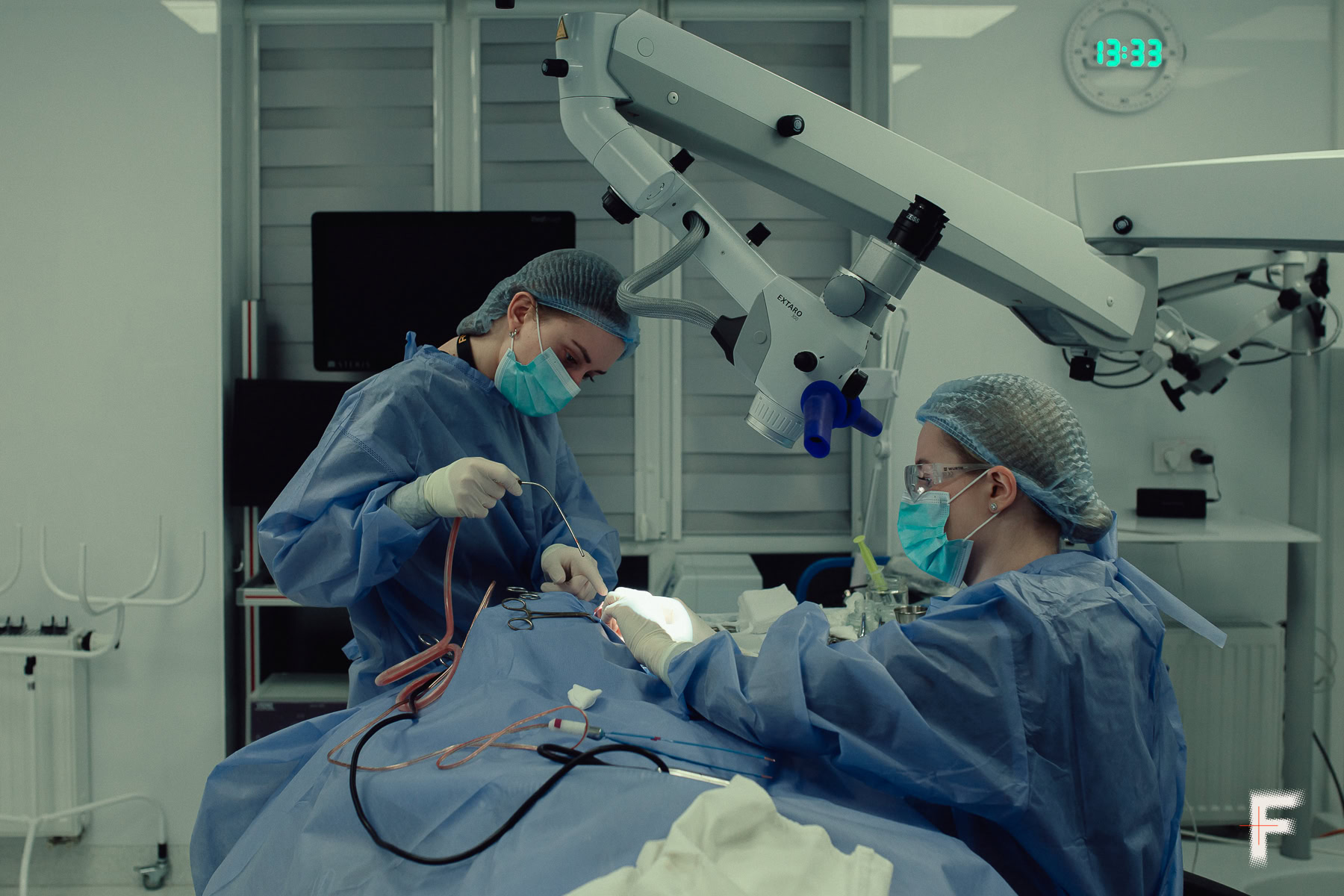
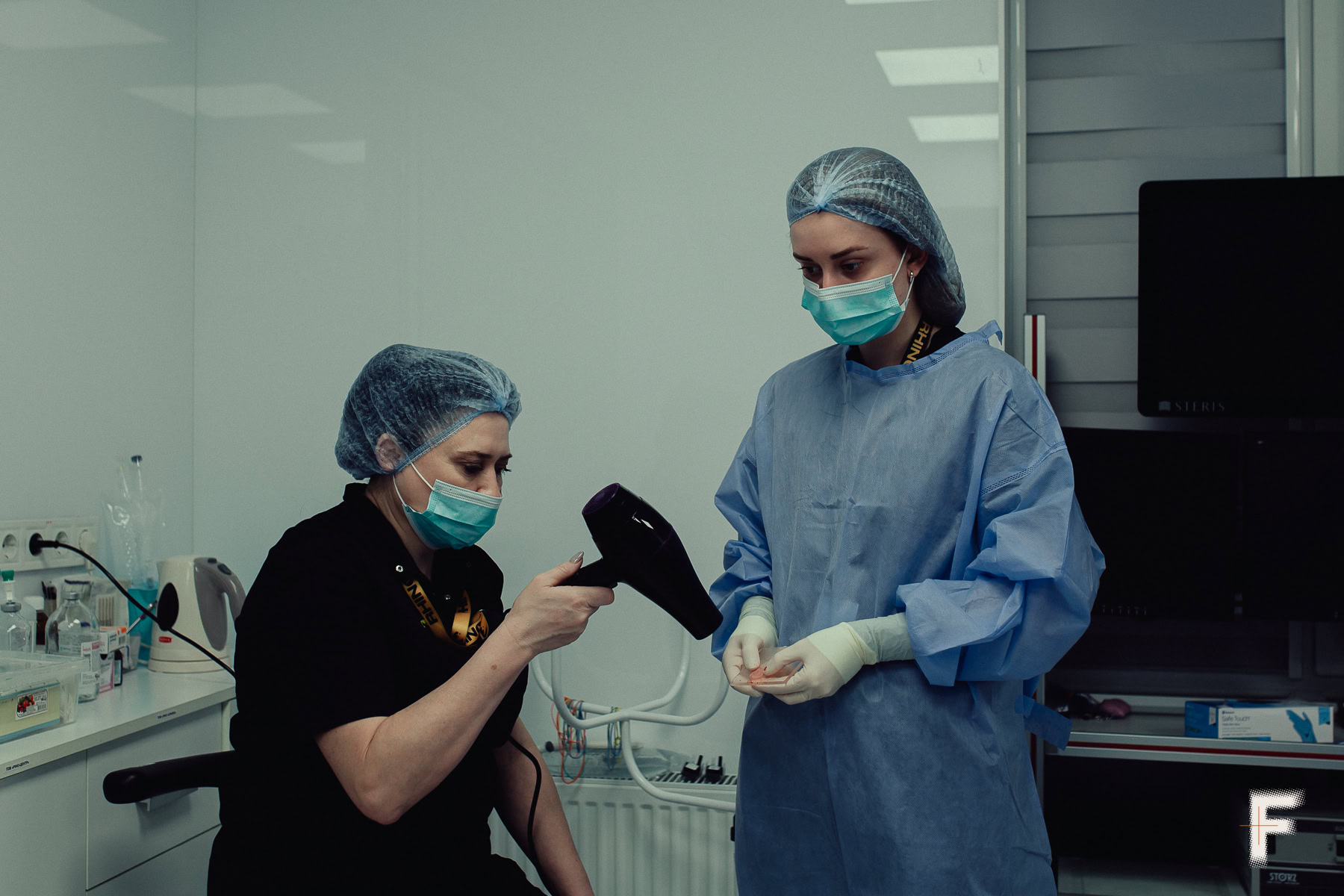
Medical staff prepare a fascial graft to repair an eardrum during a tympanoplasty in Kyiv, Ukraine, Feb. 14, 2026. (Anna Zubenko/Frontliner)
New microscope to double surgical output
The surgery utilized a new microscope which as specialists say brings the center fully in line with modern surgical standards. With the new equipment, medical staff expect to double the number of operations they can perform. The microscope’s price tag of 40,000 to 60,000 euros was covered by the Pivnyk Charity Foundation, an organization that also funds the treatment and recovery costs for wounded service members.
-
Surgeons perform a tympanoplasty to repair a patient's eardrum in Kyiv, Ukraine, Feb. 14, 2026. (Anna Zubenko/Frontliner)
-
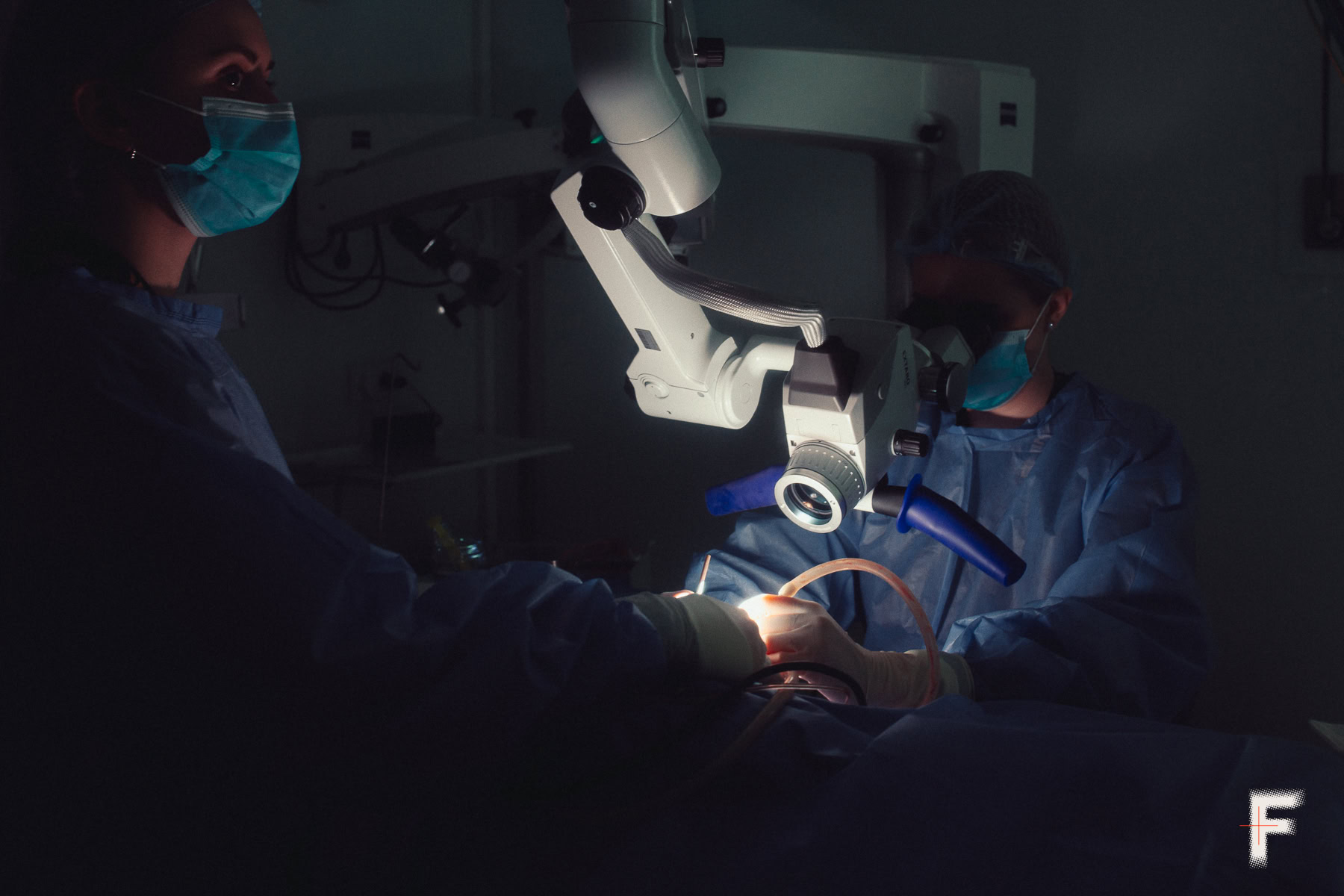
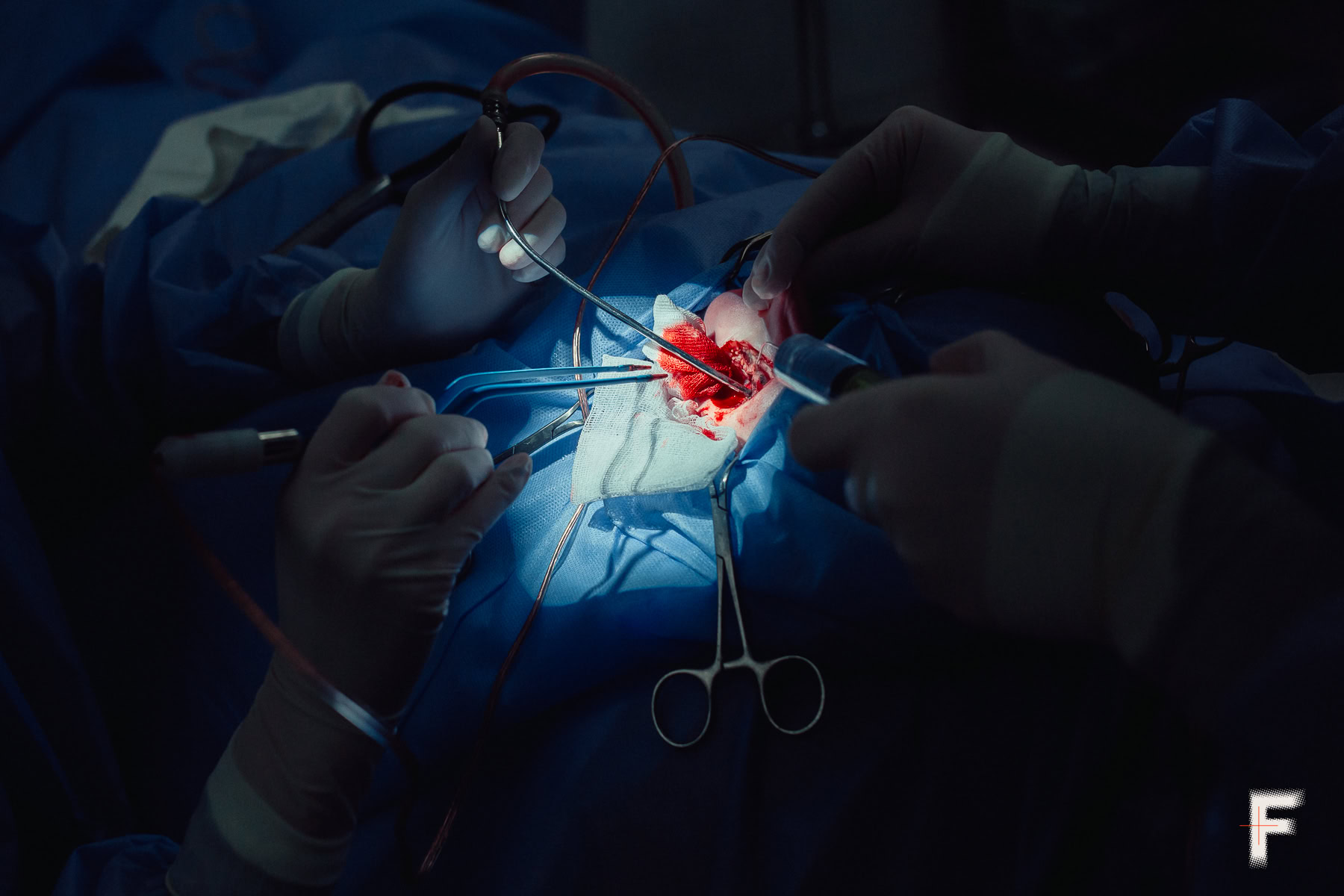
Doctors say the new microscope will allow them to reach significantly more patients. After performing 114 hearing-restoration surgeries in 2025, the center aims to more than double that figure to 250 in 2026. Within Kyiv’s public healthcare system, only one other hospital offers comparable procedures, and its waitlist now stretches to nearly six months.
“We understand the state is struggling to cope because the war has exponentially increased the workload,” said Olena Komar, an otolaryngologist and director of the charity foundation. “We’re trying to step in and shoulder part of that burden.”
Troops returning to duty with partial hearing loss face
a threefold higher risk of developing PTSD,
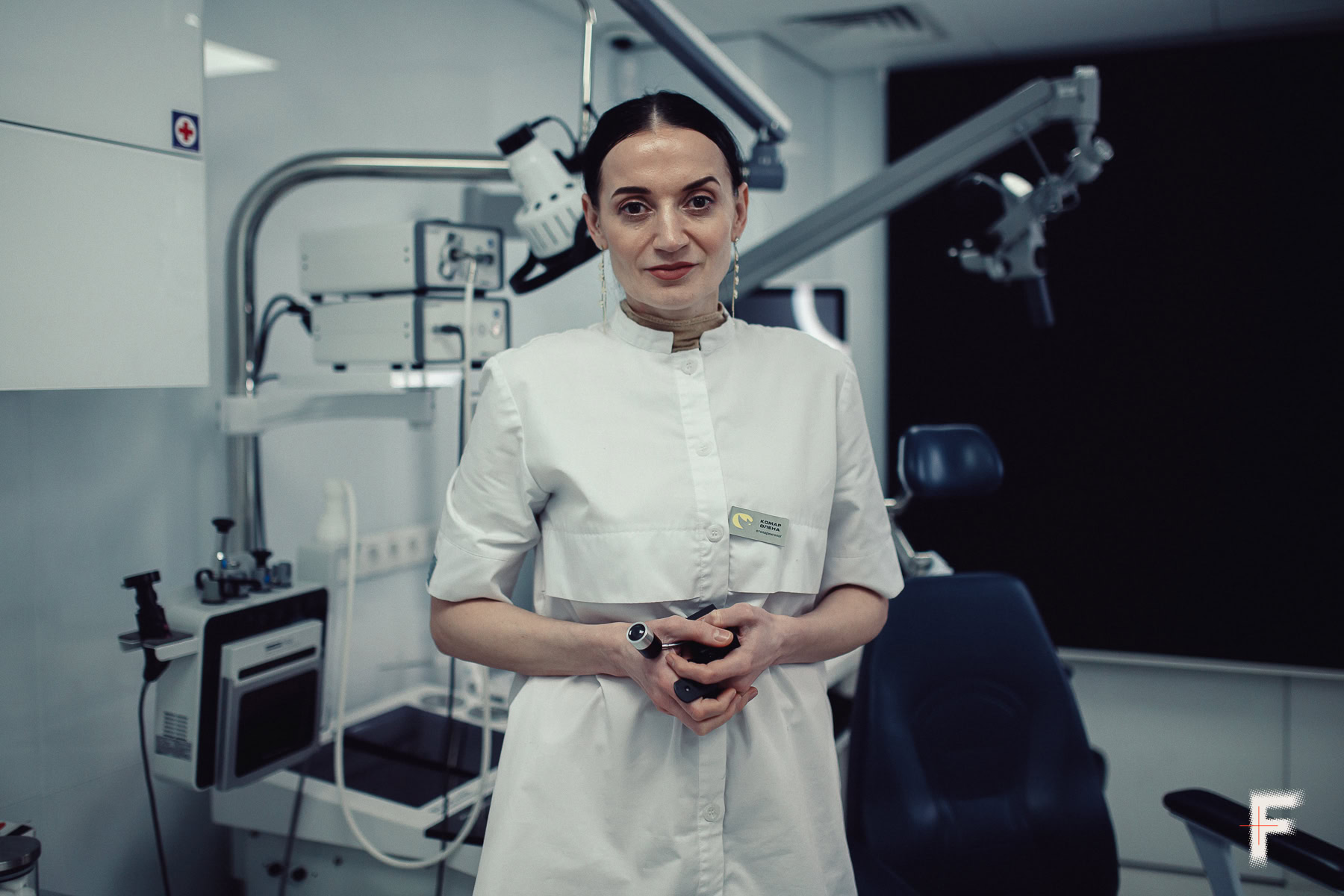
Service members often return to duty following injuries, making the ability to localize sound and respond to threats a critical safety issue, Komar said:
“Studies show that troops returning to duty with partial hearing loss face a threefold higher risk of developing PTSD.”
The crisis extends beyond a lack of equipment. Komar explained that hearing restoration requires highly specialized microsurgeons, a talent pool that is currently stretched thin in Ukraine.
“It’s an incredibly niche field,” she said. “Surgeons spend years mastering the precision required to operate under a microscope.”
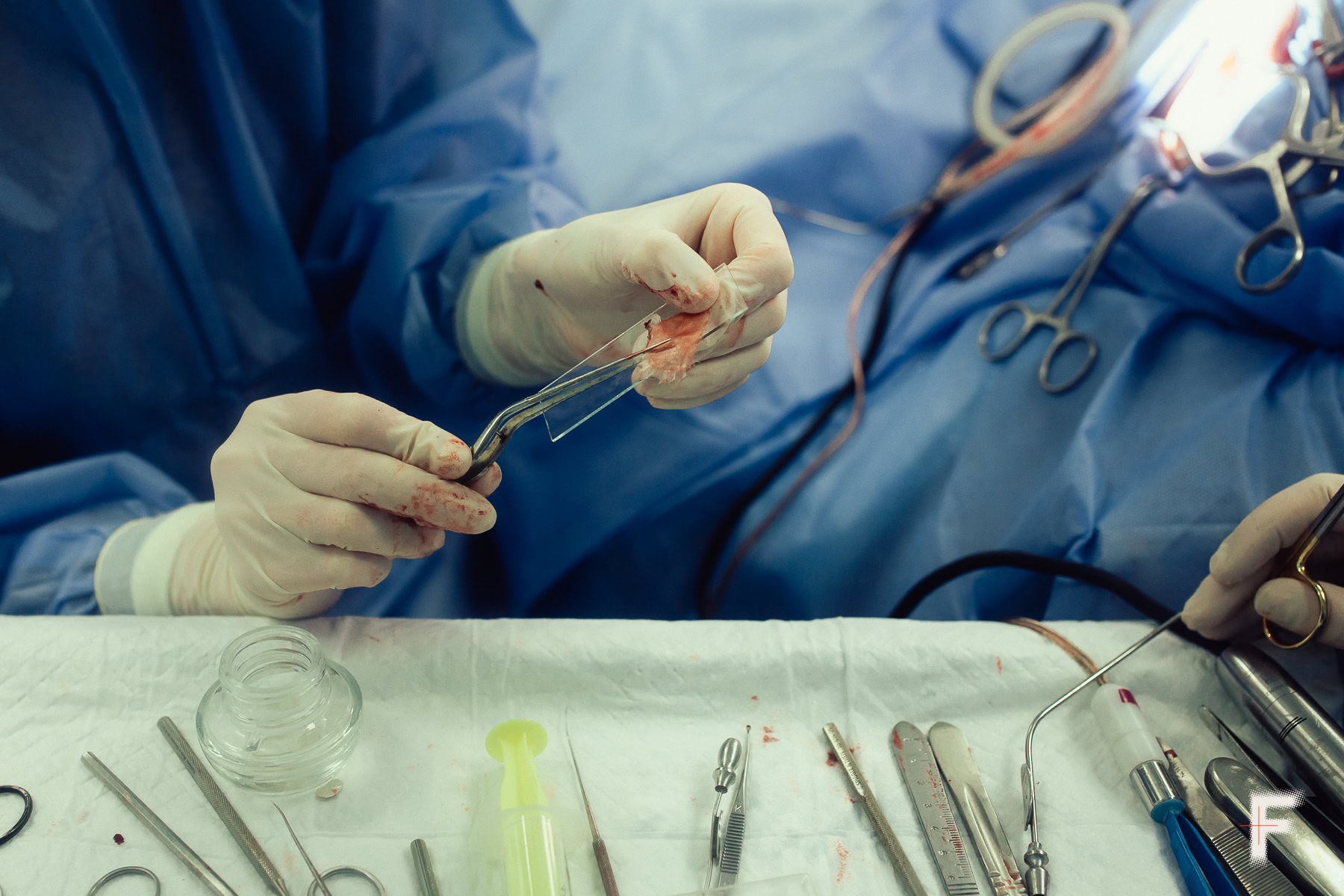
Despite the technological upgrade, staffing remains a bottleneck. The center reports it is operating at maximum capacity, with daily clinics and a surgical schedule that is completely full.
“The surgery was a success”
An hour has passed since the first incision. The entire team watches as the surgeon nears the end of her “jewelry-grade” work. Millimeter by millimeter, Kateryna Aktiinova grafts the new eardrum — crafted from the patient’s own tissue — into place. As she applies the final sutures, she looks up.
“The finishing touches,” she says. “I can officially say the surgery was a success.”
Hearing loss often causes people to retreat into themselves,
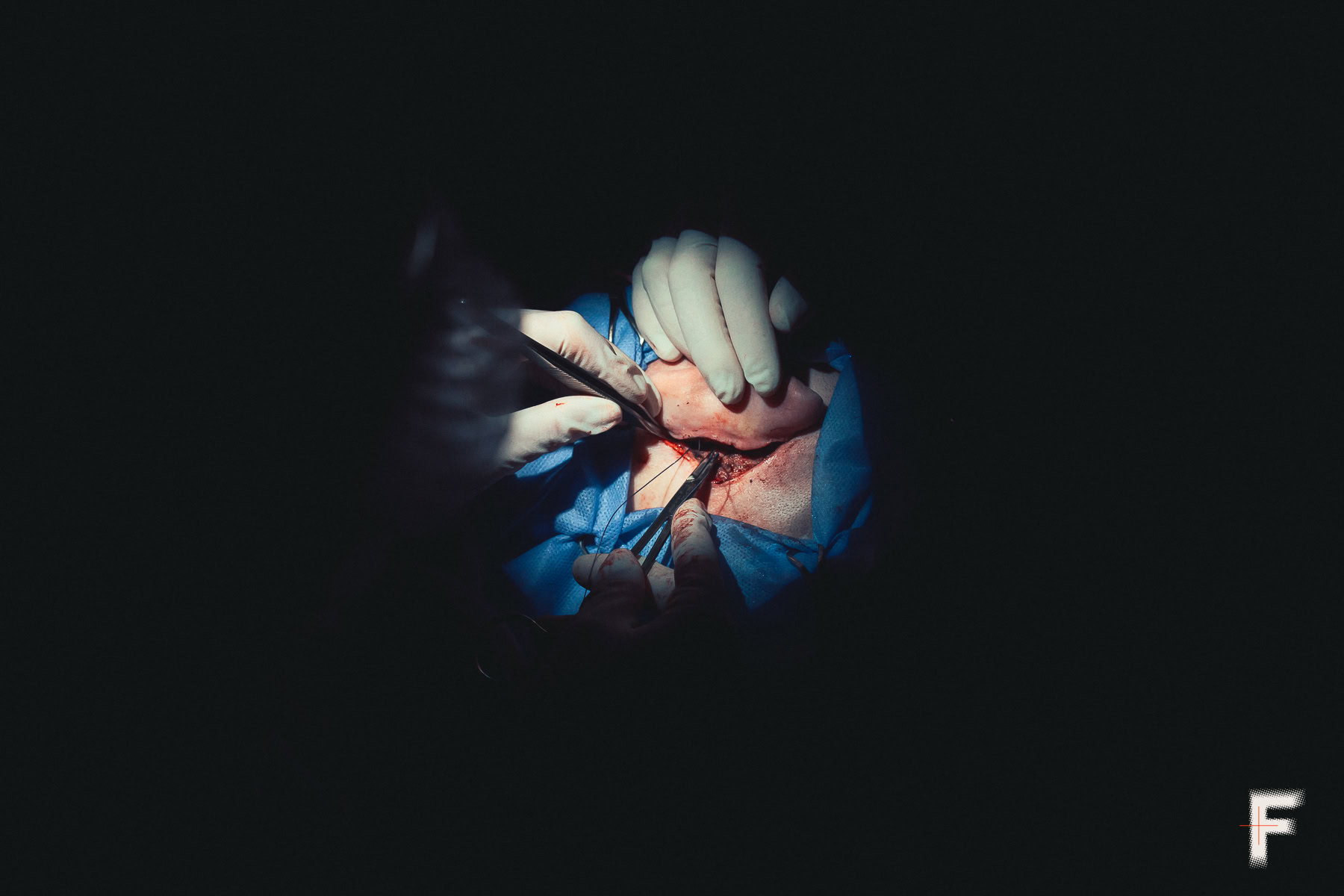
Every successful recovery offers the surgeon relief in knowing a patient’s quality of life has been restored.
“You internalize these cases, and some stories truly touch your heart,” the doctor said. “Hearing loss often causes people to retreat into themselves. It is a form of disability that strips away social and communication skills, often leading to aggression or apathy. When we can restore that function, it is incredibly rewarding.”
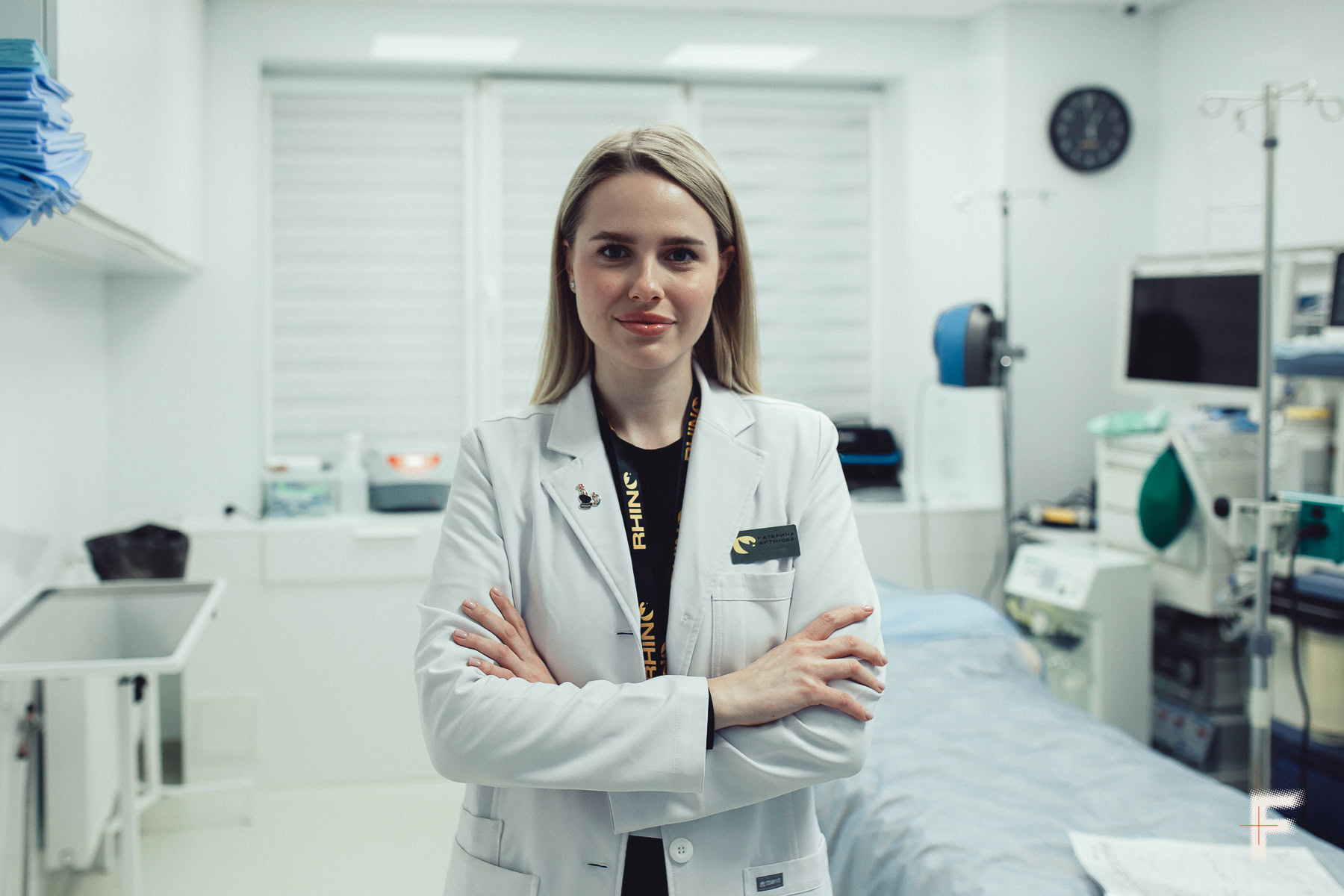
The danger isn’t just social isolation; Aktiinova notes that acoustic trauma leaves the ear vulnerable to chronic infection. When a rupture doesn’t close naturally, surgical intervention becomes a matter of urgency rather than a choice.
It is a challenge she expects to face for the next 10 years, as the blast-related injuries of this war continue to affect both soldiers and civilians alike.
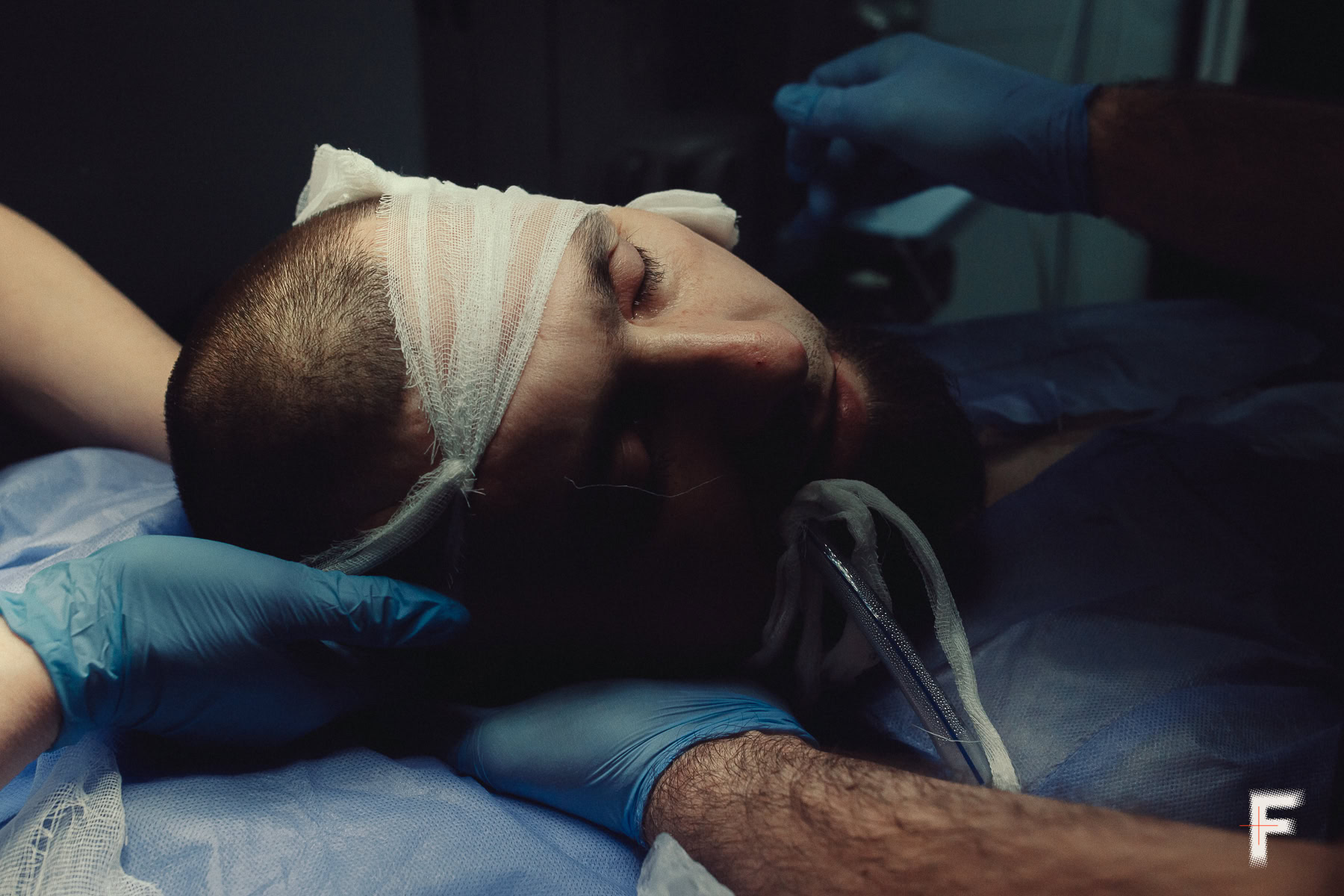
“Regardless of when the fighting stops, a massive number of people are already living with ruptured eardrums, most often from the explosions we hear during enemy air strikes,” Aktiinova says.
She is part of a small team at the Hearing Restoration Center that includes Dmytro Zin and the Pivnyk Charity Foundation’s founder, Ivan Hrynko. Together, they operate on roughly 15 service members each month.
As Vitalii began to wake from anesthesia, the surgical assistants summarized the effort: “Another one helped. We need to keep working so these men and women aren’t left waiting.”
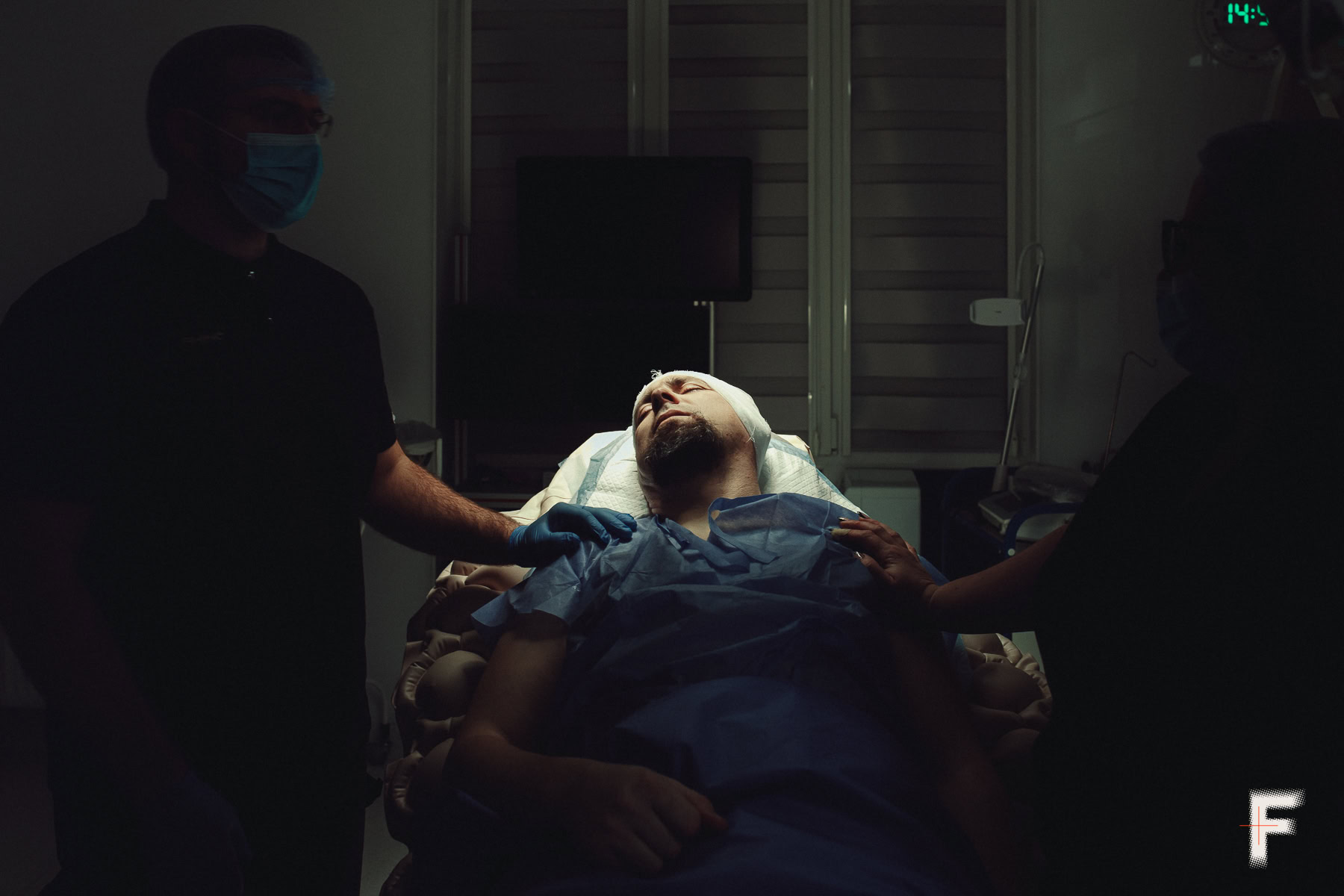
Waiting in the ward is Vitalii’s wife, whom he describes as his greatest source of strength. The road ahead involves a steady recovery: in a month, they will return to the clinic to ensure the graft has taken. Doctors will check for inflammation, prescribe ear drops, and warn him to keep the ear dry. A final assessment will follow in three months. Once cleared, Vitalii plans to return to the front.
“I’m a chief sergeant in the second platoon. I know exactly where I’m going back to,” he says. “The guys are my second family; they’re waiting for me. We have to destroy the enemy. That desire has always been there, and it’s not going anywhere.”