Shadows, satellites and forums: How OSINT analysts track Russian military units
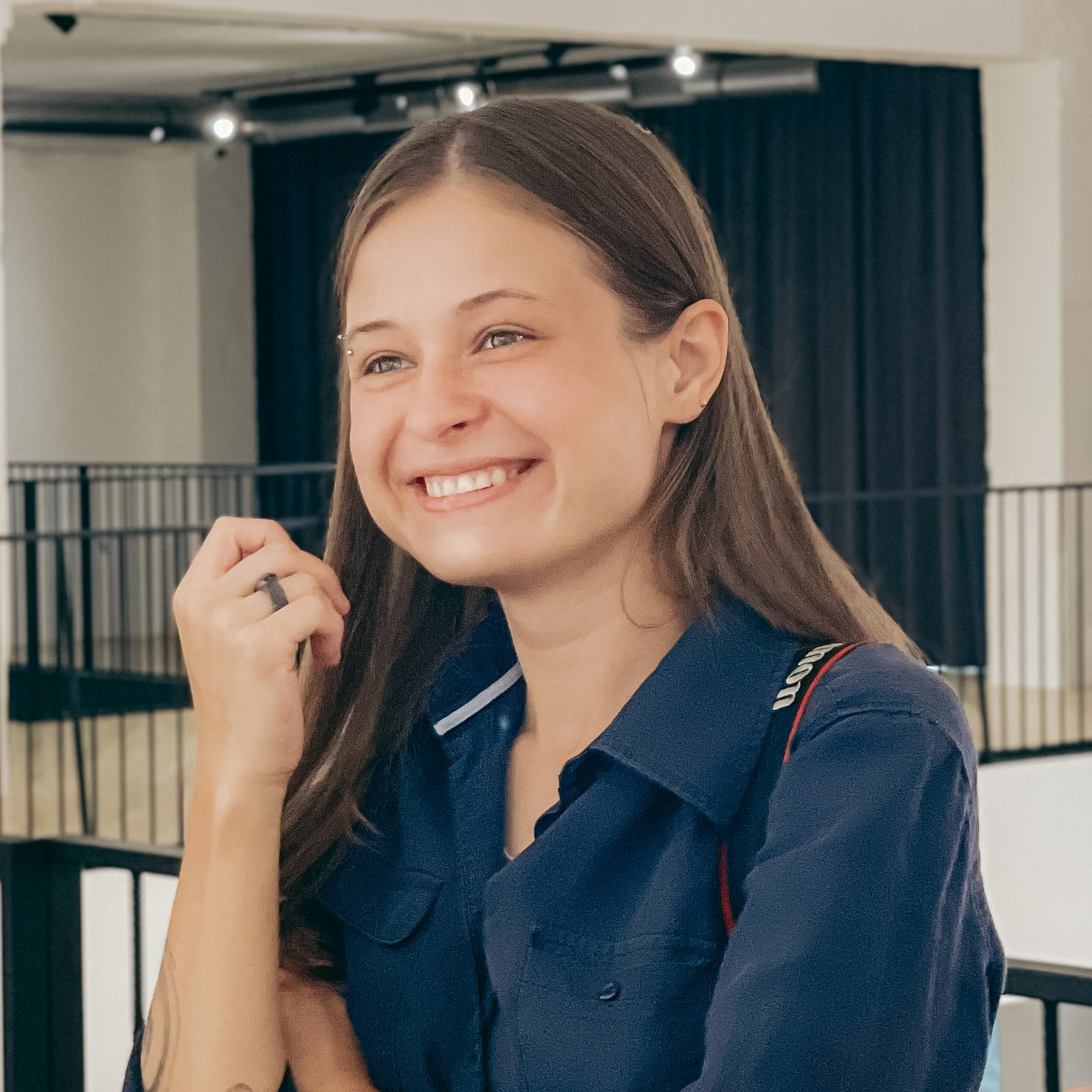
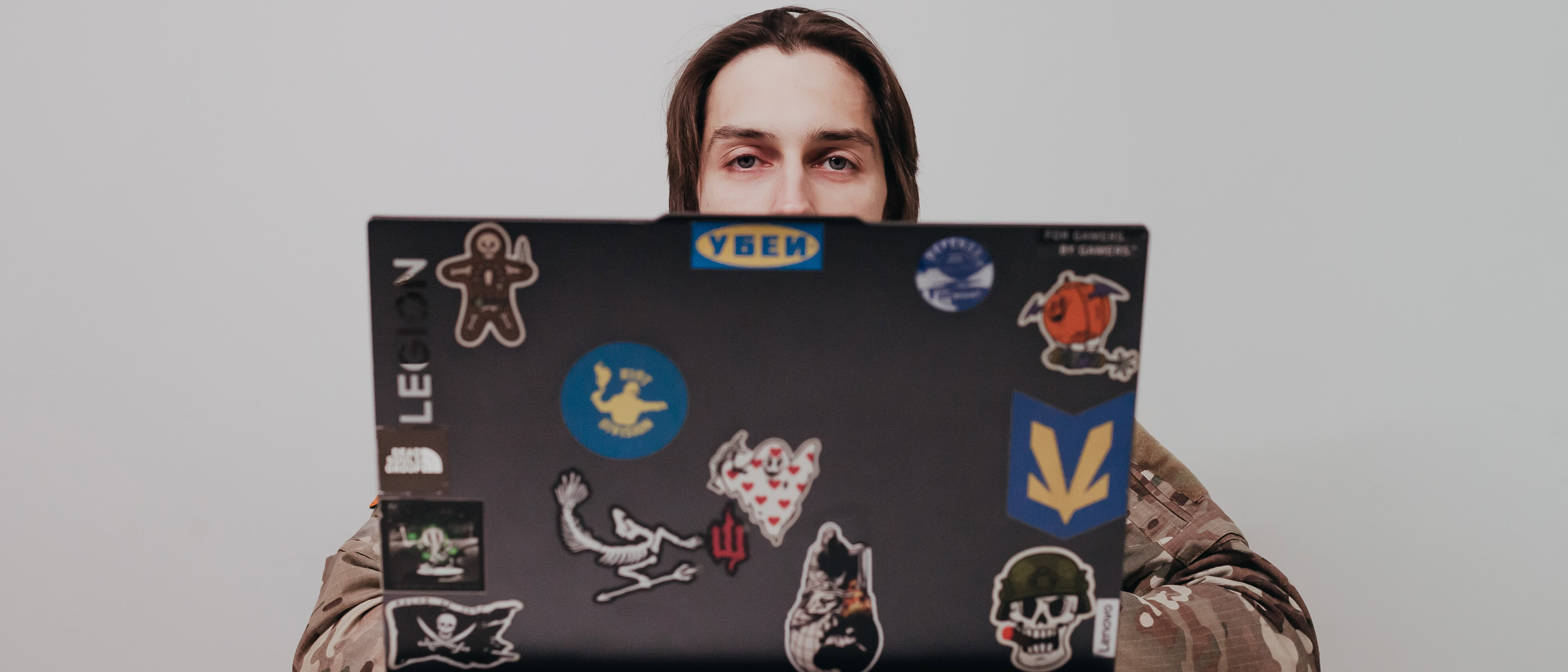
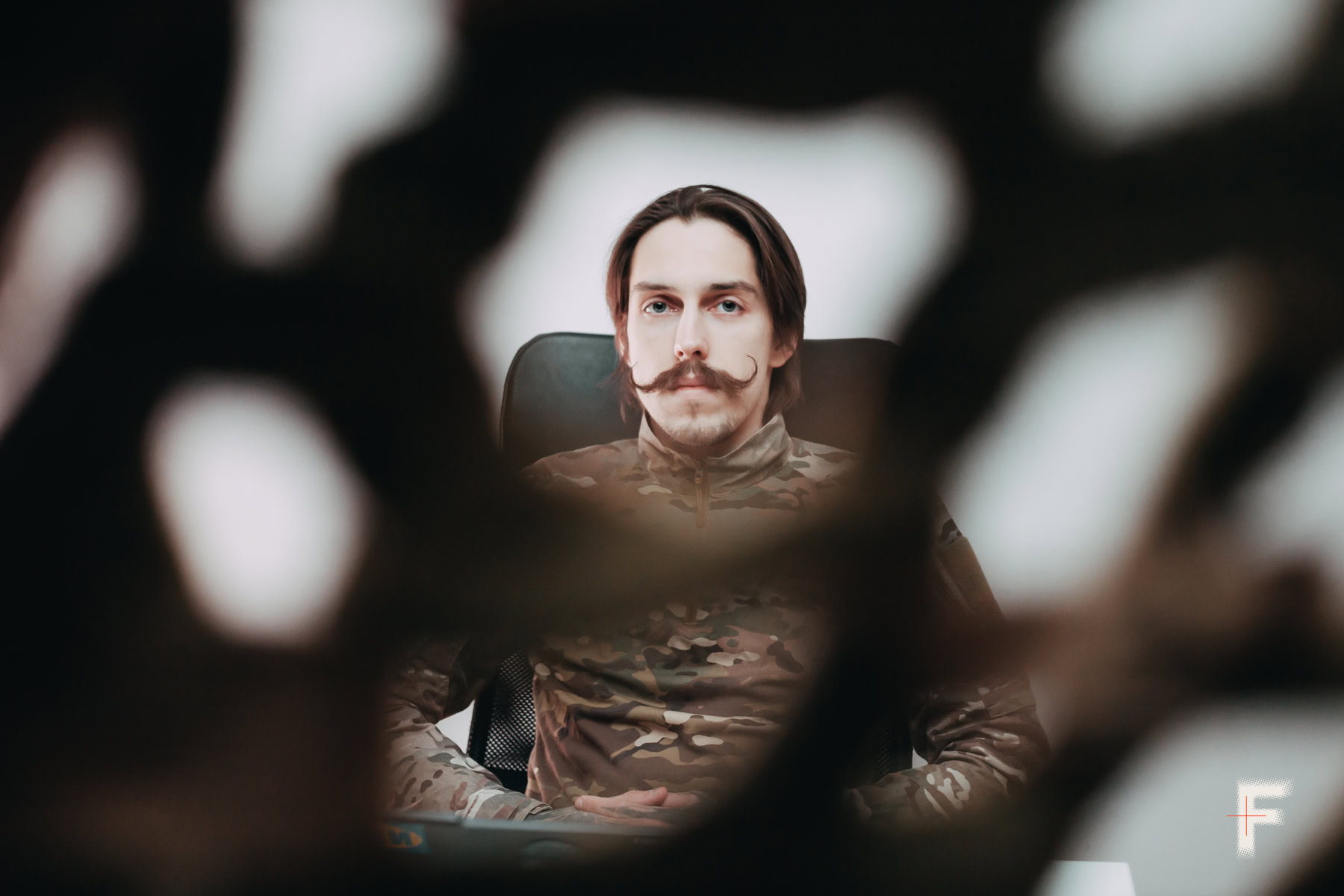
They find the enemy by shadows in photographs. They infer the occupiers’ plans by piecing together seemingly unrelated facts. From behind their computers, they determine how the enemy is armed and where its weaknesses lie. All this work allows their comrades to stay one step ahead of the enemy. A cyberintelligence specialist with the KRAKEN 1654 Regiment of Unmanned Systems, a sergeant with the call sign “Pavuk,” (‘Spider’ in Ukrainian) described these and other capabilities of OSINT analysts to a Frontliner correspondent.
“Pavuk”: The goal of our work is to stay one step ahead of the Russians. For example, when troops are about to enter a new area, we analyze the enemy beforehand. We find out who our troops will be facing, what combat experience they have, and what equipment and weapons they use. We search for every available reference to them and identify their strengths and weaknesses. All of this helps our units prepare and carry out their mission more effectively.
Another part of our work is closely monitoring Russian technological developments. For example, when the Russian unit Rubikon started operating actively, it provided a good insight on what new drone warfare developments might be on the horizon, such as fiber-optic drones. Rubikon was the first Russian unit to deploy them. Now, by tracking the fiber-optic network, we can understand where an enemy unit might be redeployed. That, in turn, allows us to anticipate the enemy’s actions.
We examine shadows. These clues allow us to determine
where the drone was launched,
-
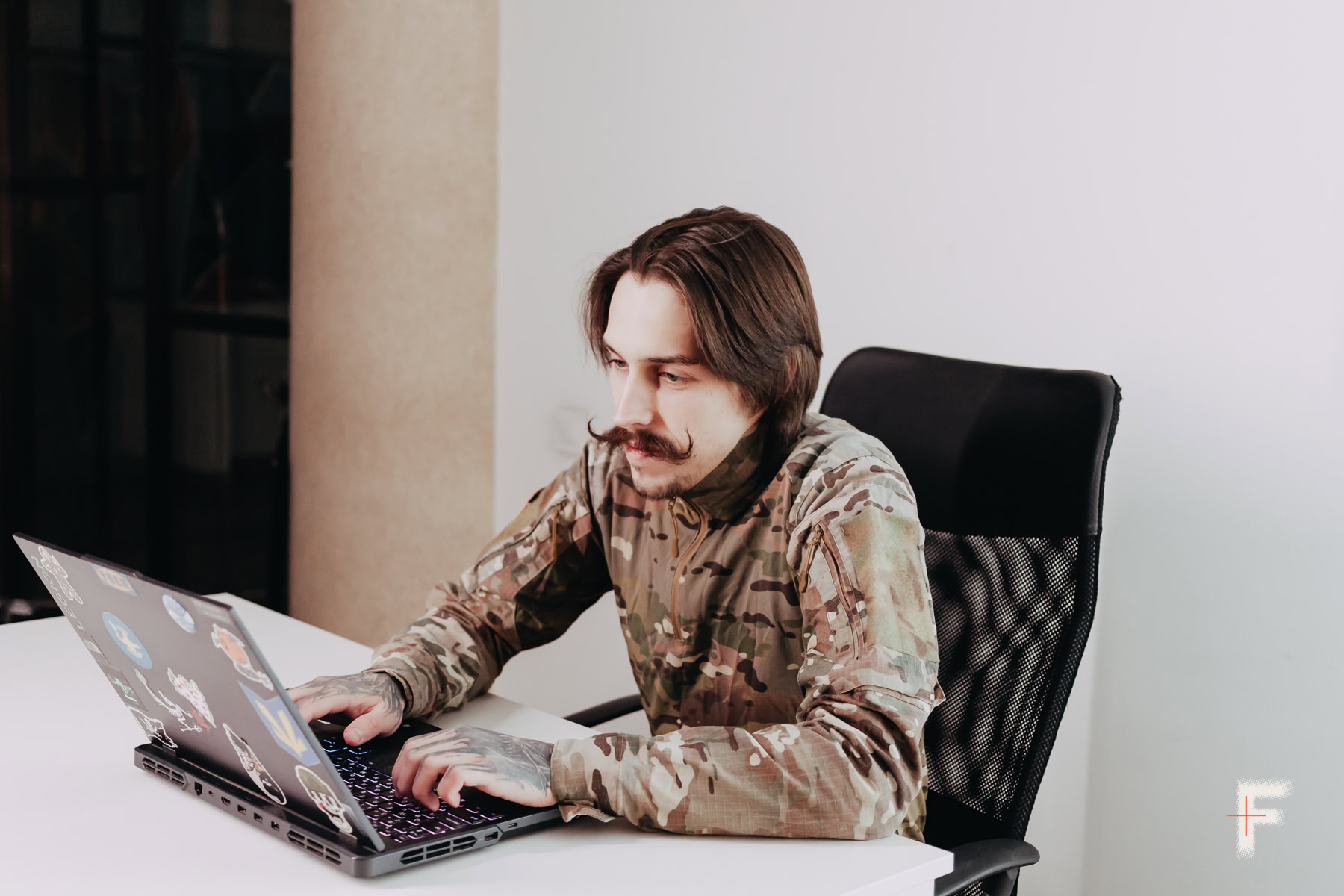
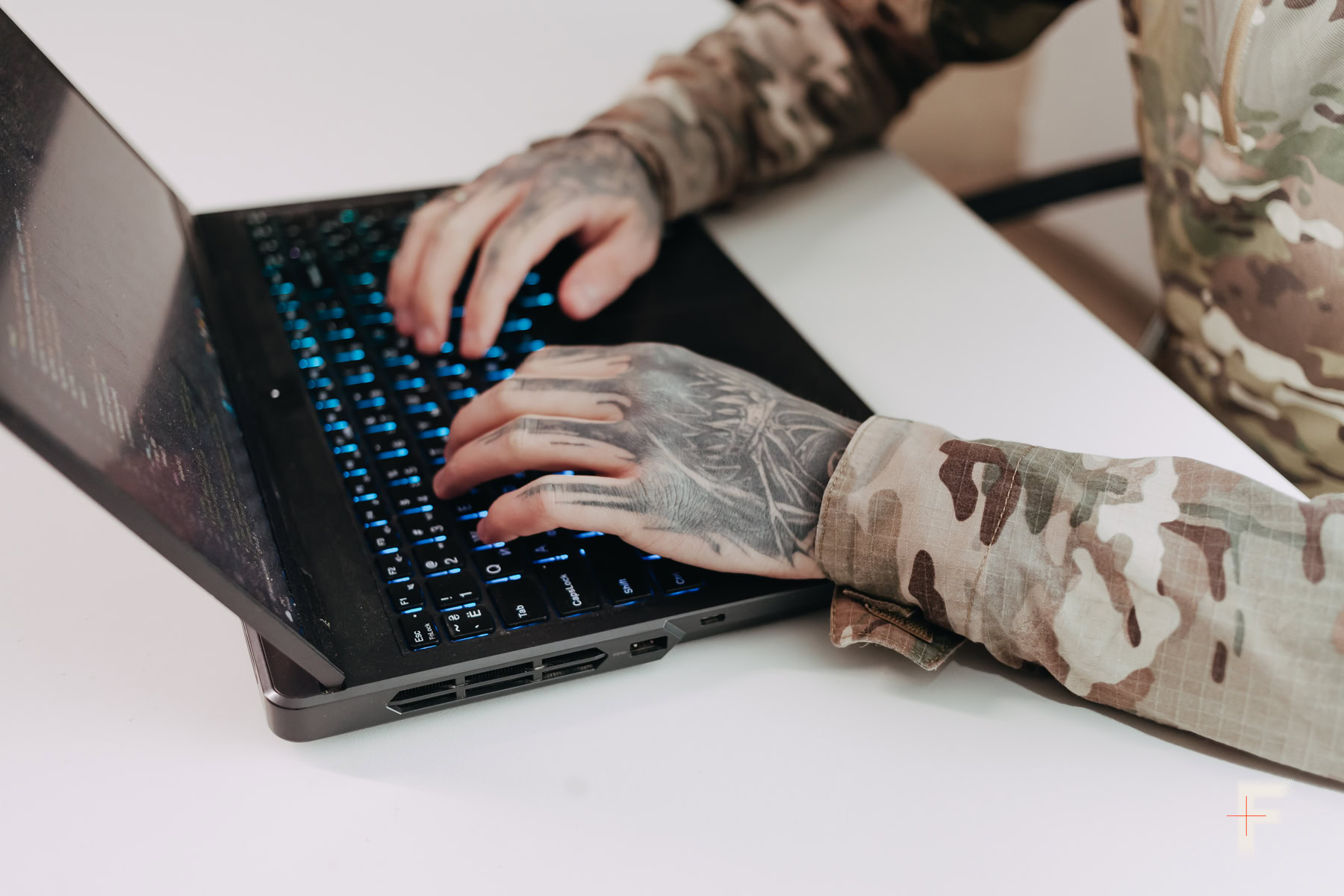
Cyberintelligence specialist with the KRAKEN 1654 Regiment of Unmanned Systems, call sign “Pavuk”, Kharkiv, Ukraine, Feb. 13, 2026. (Oleksandra Rakhimova/Frontliner)

-
Cyberintelligence specialist with the KRAKEN 1654 Regiment of Unmanned Systems, call sign “Pavuk”, Kharkiv, Ukraine, Feb. 13, 2026. (Oleksandra Rakhimova/Frontliner)
We are now studying what the Russians might use to replace Starlink. They are trying to build a fully autonomous communications system. We need to understand how they plan to do it.
Frontliner: How do you obtain the necessary information, and what tools do you use?
“Pavuk”: The role of an OSINT specialist is investigative. The process is somewhat similar to how journalists investigate corruption schemes. Facts that seem unrelated are pieced together into a complete picture. The key is understanding why the information is collected and how it will be applied.
In our work, we try not only to find information but also to identify the tools available to carry out a task. For example, to track the movement of Russian equipment convoys, we have used surveillance cameras on streets and at gas stations.
Military OSINT operates in several ways. One of the key methods is geolocation. For instance, a video of Russian soldiers launching a drone might be leaked online. We locate the video and examine shadows, vegetation, terrain, and distinctive structures in the background. These clues allow us to determine where the drone was launched. We also rely on satellite imagery, maps, and other resources in our analysis.
We also consider the ‘human factor.’ We monitor what the Russians are doing at technology conferences and on online platforms. We read what they post on specialized forums and what their soldiers share on social media.
For our searches, we use Google, Microsoft Bing, DuckDuckGo, Yandex, and AI-based tools.
We need to verify information from at least three different sources. This is standard practice, but whenever possible, we try to reach five sources. Doing so helps eliminate coincidences and misdirection.
Intuition also plays a part. Some developments can be predicted, particularly when it comes to technical equipment. That kind of understanding comes with experience.
Frontliner: How demanding is OSINT work, and is there an ‘ideal’ age for this profession?
“Pavuk”: I’ve met specialists as young as 18 and over 70. Age isn’t the issue. It’s how you apply your skills and experience, and whether you keep up with technological developments. In our profession, continuous learning is essential. If you don’t, you get left behind.
OSINT work can be mentally
exhausting at any age.
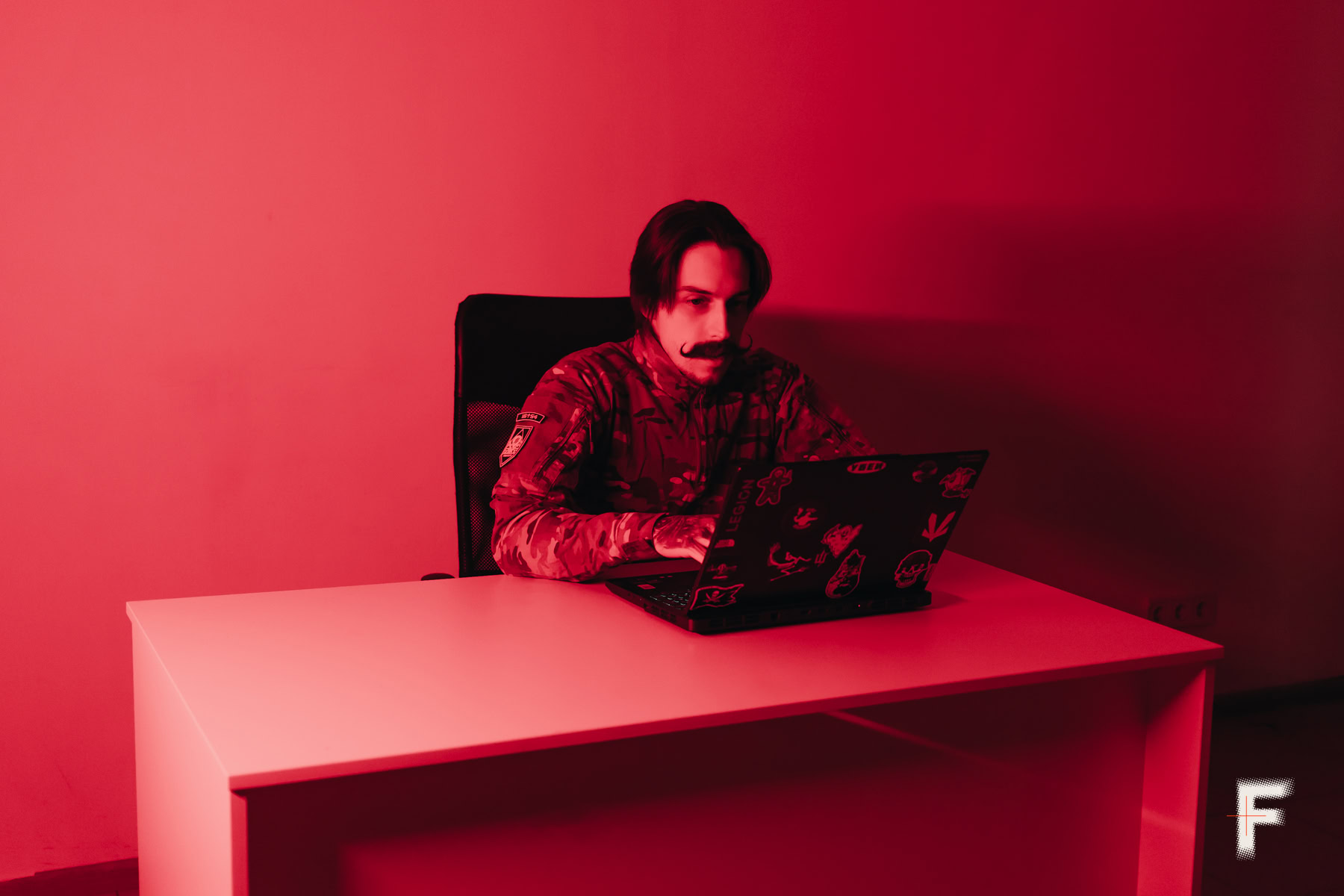
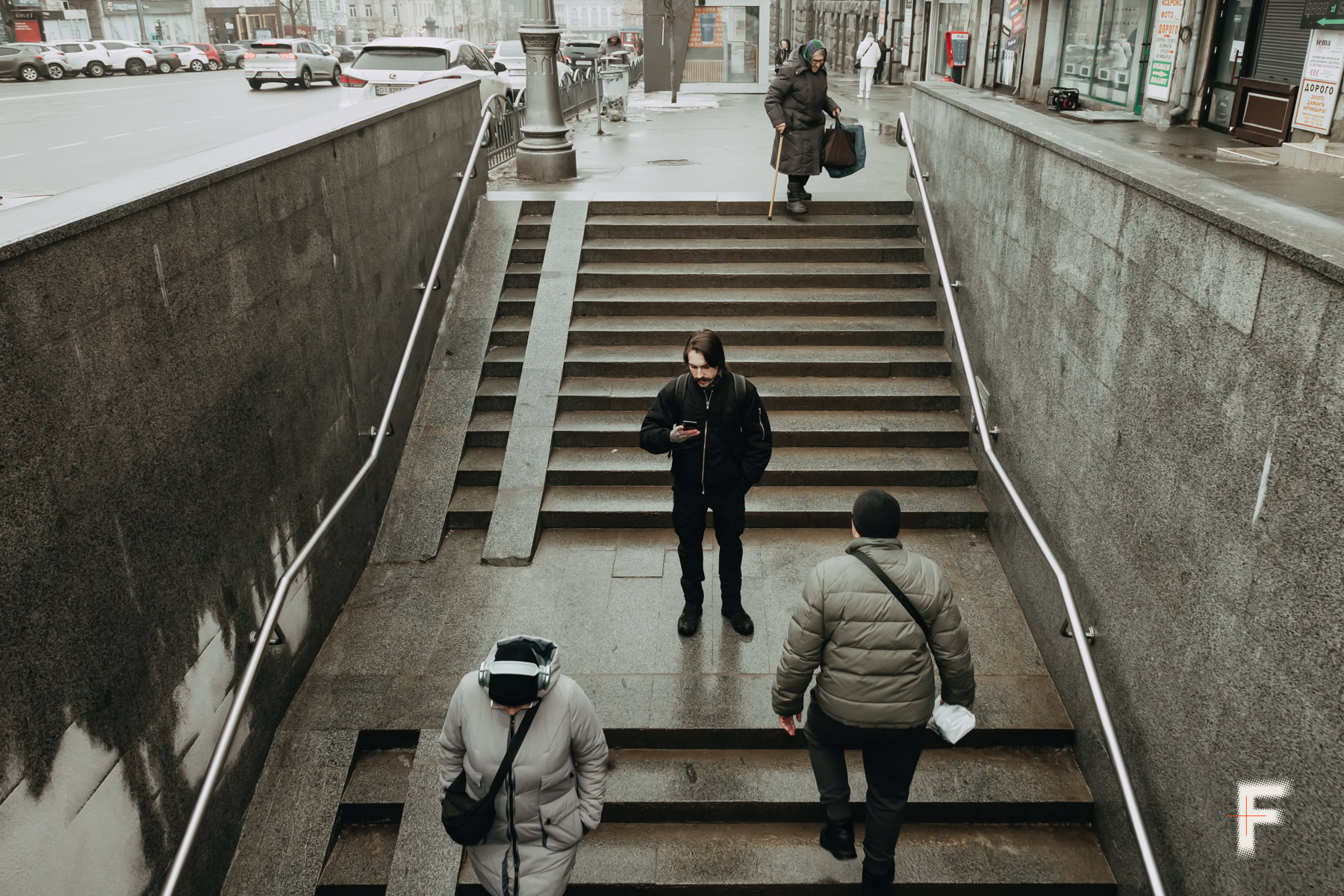
On the other hand, OSINT work can be mentally exhausting at any age. After years in the field, I’ve developed a kind of paranoia. I get irritated by calls from scammers and fraudsters. I don’t post anything on social media, and I only add new photos about once every five years.
I’m constantly immersed in the Russian information space, reading news and the opinions of war correspondents. The Russian propaganda machine, built on the work of Goebbels, is highly effective. When I notice it influencing my thoughts, I fact-check and realize that the real situation is very different from what the Russians are spreading. It happens, and you just have to pause in time and verify the information.
Frontliner: How did you come to work as a military OSINT specialist?
“Pavuk”: I worked in information security for about six years. Before the full-scale invasion, I ran my own business. We specialized in testing the security systems of both government and commercial companies. In other words, OSINT was always a part of my work.
At the start of the full-scale invasion, I was caught in the occupation in the Kyiv region. After the area was liberated, I continued working until 2023. At that time, Ukrainian businesses didn’t know how to move forward. Many projects were either canceled or postponed indefinitely. Investors faced a similar challenge, often vanishing just as projects reached the investment stage.

I realized that I could no longer maintain my own business. So I closed all ongoing projects and voluntarily joined the military. I had chosen my unit in advance and have been carrying out assignments there since April 2024.
***
Hi, I am Oleksandra, the author of this article. Thank you for reading to the end.
The military is a complex system that supports troops carrying out combat missions. Every successful operation is the result of the work of many specialists. OSINT analysts are among those who remain in the shadows, even though their work is a crucial part of that success.
Every day, our journalists work in life-threatening environments and report from the front lines and the surrounding areas to document the reality of the Russo-Ukrainian War. To protect the lives of our teammates, Frontliner, in partnership with UA First Aid, is raising funds for 30 first-aid kits for our team. Join the Frontliner community so we can keep telling important stories from the ground.
***