‘If not today, then next time’: how families awaited the 72nd prisoner of war exchange
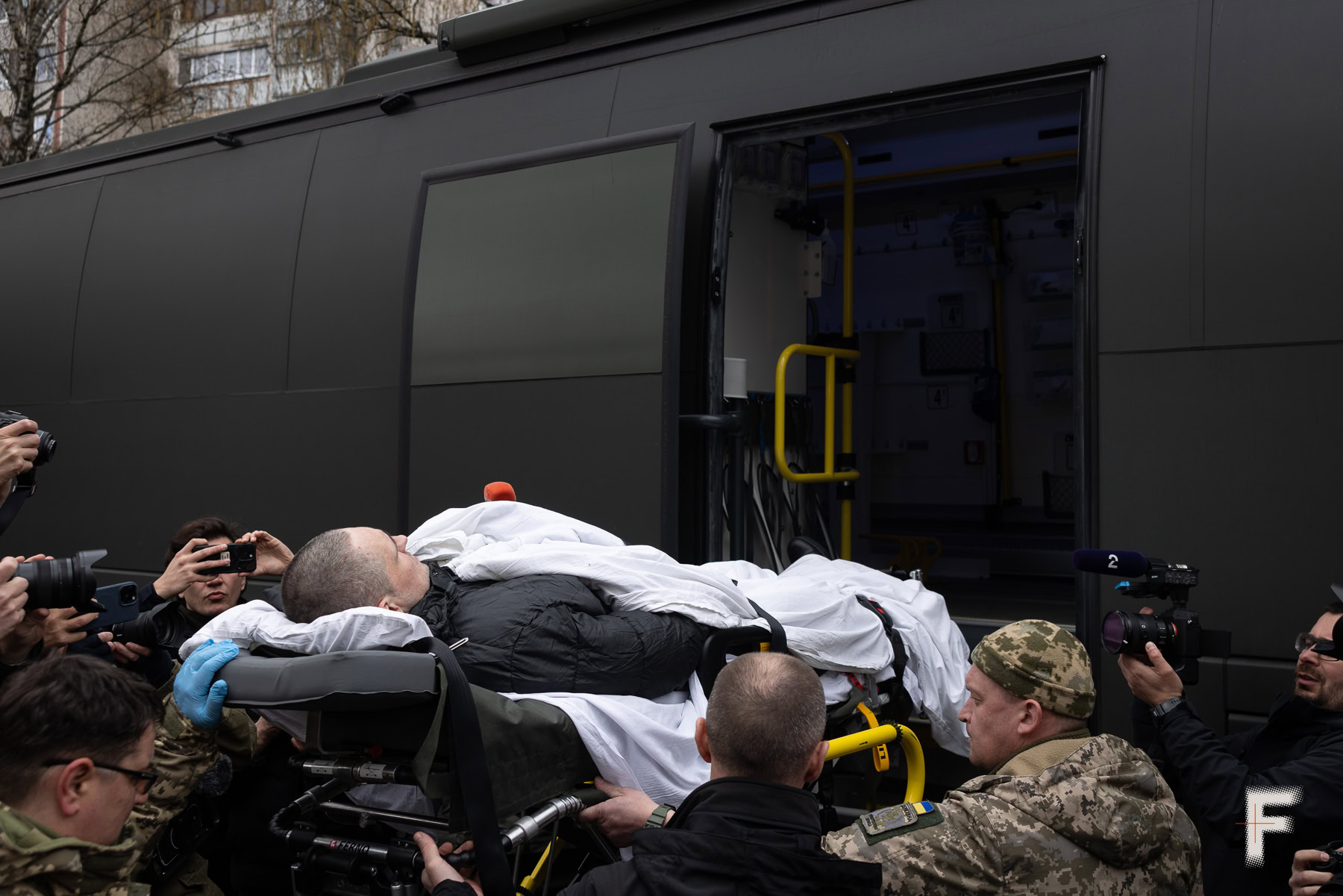
Ambulances arrive at the hospital, and emaciated people are carefully transferred and placed into wheelchairs. Weakened by Russian captivity, the Ukrainians are not yet able to make the distance from the vehicles to the building without assistance. This is how, during the 72nd prisoner of war exchange on the eve of Easter, 182 Ukrainians returned from Russian captivity. Most have been held since 2022. While some families embraced their loved ones for the first time in years on the hospital grounds, others continued their wait, hoping for news. The first emotions after release are captured in Frontliner’s report.

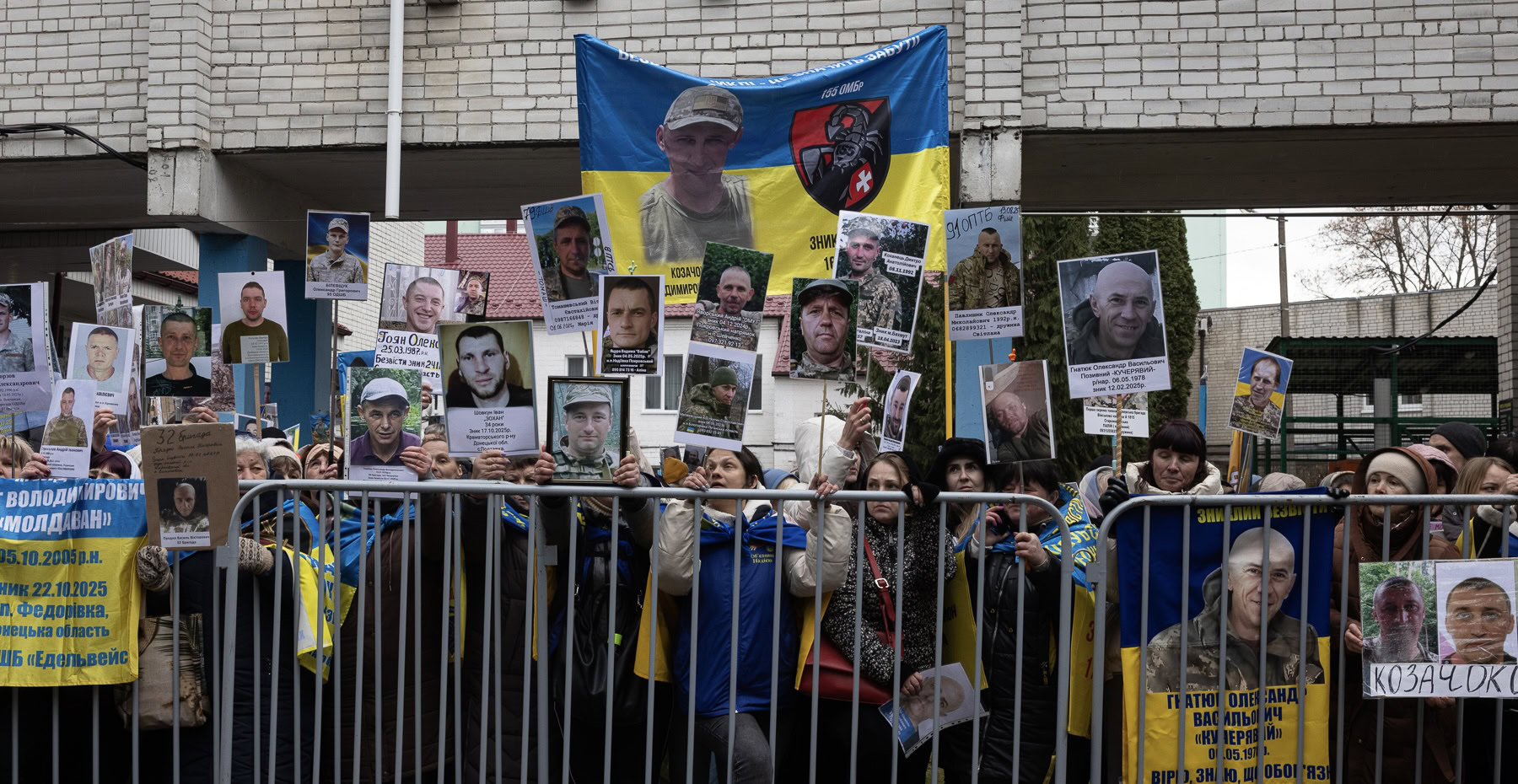
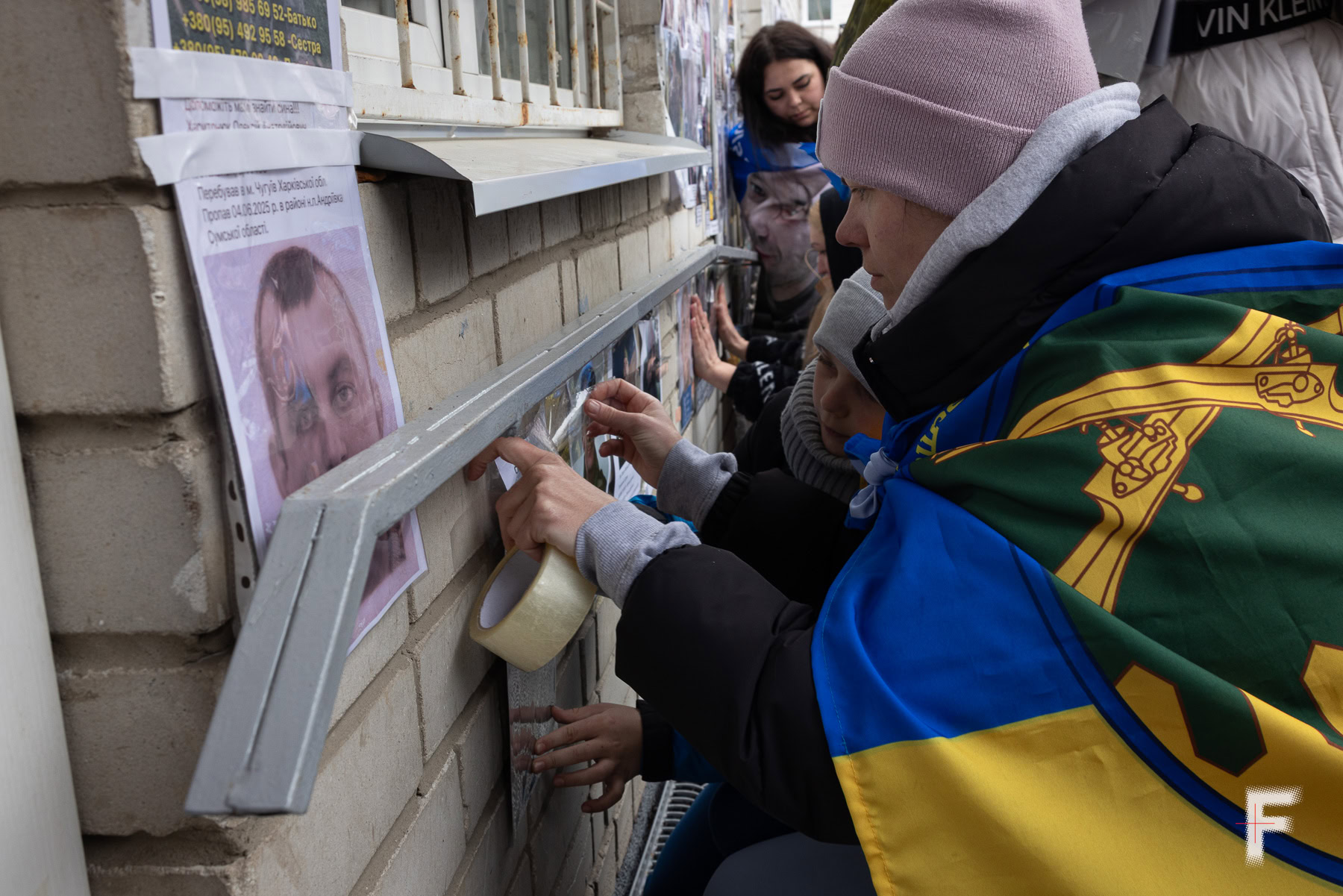
A few hours before the 72nd prisoner of war exchange, the waiting area near the hospital turns into a space of tense silence, brief verbal exchanges, and anxiety for a single text message: “The defender has been released from captivity.” People arrive from across the country, all waiting for their loved ones held in Russian captivity.
People arrive in advance. They rent accommodation, coordinate travel with one another, and reshape their lives around these few days of waiting. They know this rhythm all too well: from hope to disappointment and back to hope again.
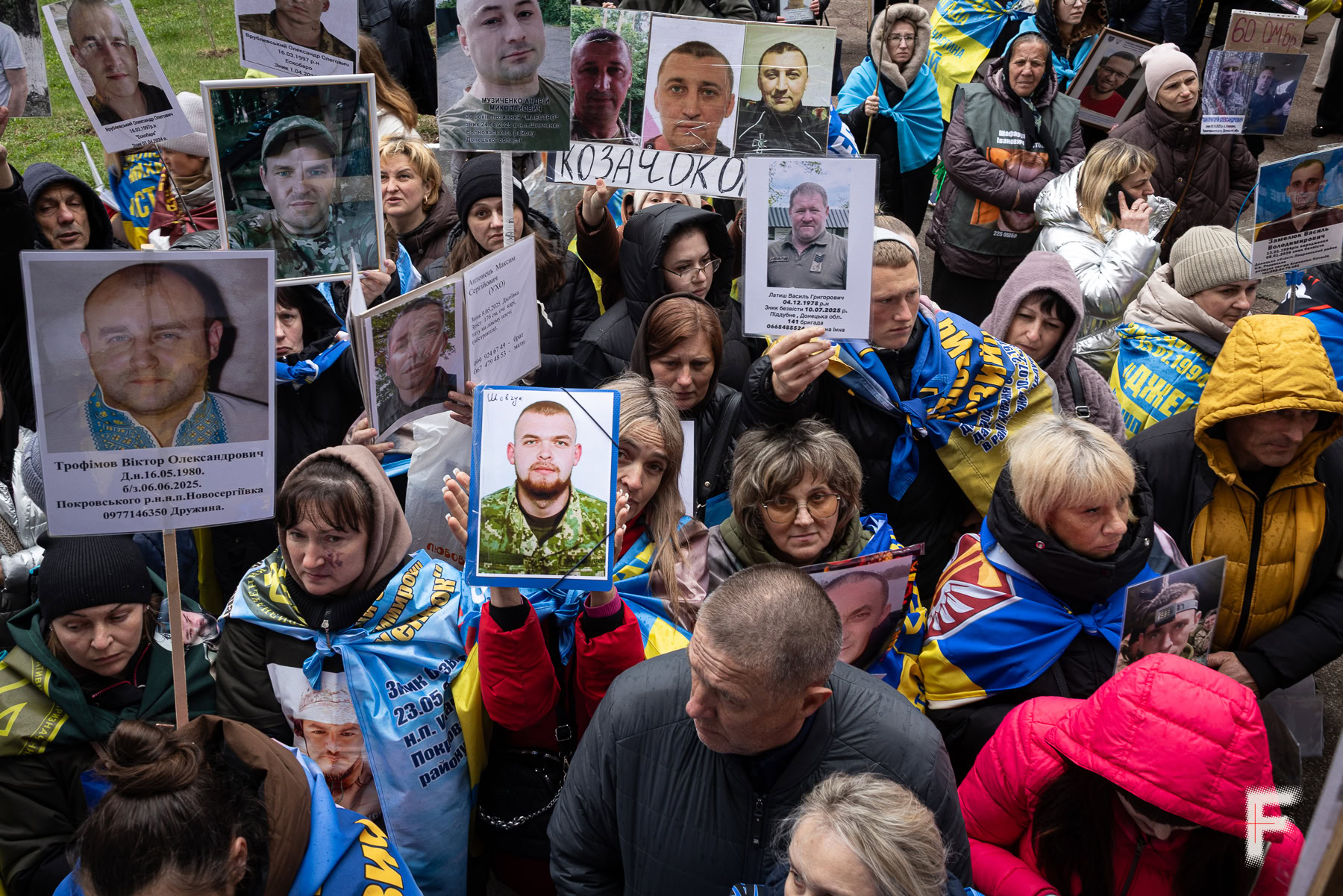
The wife of a serviceman from the 101st Brigade of the General Staff, who was taken prisoner the year before last, says she feels deeply worried this time, even though she cannot explain why. Today she did not receive the longed-for notification, but she remains here.
“I was really hoping it would be today, but I didn’t get it. I will wait for tomorrow,” she says.
She is accompanied by children: her biological daughter and five other children she has taken under guardianship. The youngest is two and a half years old. This is their first time coming to a prisoner exchange together. The children in attendance seem eager to take part in the event. They stay close to the adults, watch the arriving servicemen, and their emotions are written on their faces. The hardest moment, she says, was seeing the wounded being brought in by ambulance.
“The children were crying, so I asked them to go sit farther away so they wouldn’t see all of this, so their little hearts wouldn’t be broken, so they wouldn’t feel upset or distressed,” she says.
Her husband went missing in November 2024 during a combat mission. At the end of December, a video surfaced confirming he was in captivity. Since then, there has been no direct contact with him, apart from another video in January in which he appears exhausted and says he is waiting for an exchange.
“Mom, I don’t know when I’ll be able to call.”
Other families wait nearby. Liudmyla Pliashechnyk is waiting for her son, who went missing in action in March 2025. There is still no confirmed information about him. She has been coming to prisoner exchanges for some time now and says she no longer keeps count of how many times she has been here.

The last time her son, Anatolii Rak, made contact was on March 11, 2025. He sent a brief message:
“Mom, I don’t know when I’ll be able to call.”
This was the last message his mother received from her son. He served as a medic. According to Liudmyla, he rarely spoke about his service because he did not want to worry her. After his disappearance, she was told that he and his comrades had been at an observation post when Russian forces were actively dropping explosives from drones. Since then, there has been no direct contact with him. His unit says there is a high probability that he is in captivity, and this is the thought Liudmyla holds on to.
The woman says that at the time her son went missing, his wife was pregnant. Their daughter was born after his disappearance and is now seven months old.
“He named her Alisochka,” Liudmyla says with warmth in her voice.
She describes her son as someone who made a conscious choice, and says he never considered staying on the sidelines.
“He said, ‘I will not hide. I have a wife, I have a child on the way. I have to defend my country,” she says.
Now, Liudmyla comes to every exchange and waits. Like other families, she has no confirmed information, only hope.
“I believe he will come back. If not today, then next time. But he will return,” his mother says.
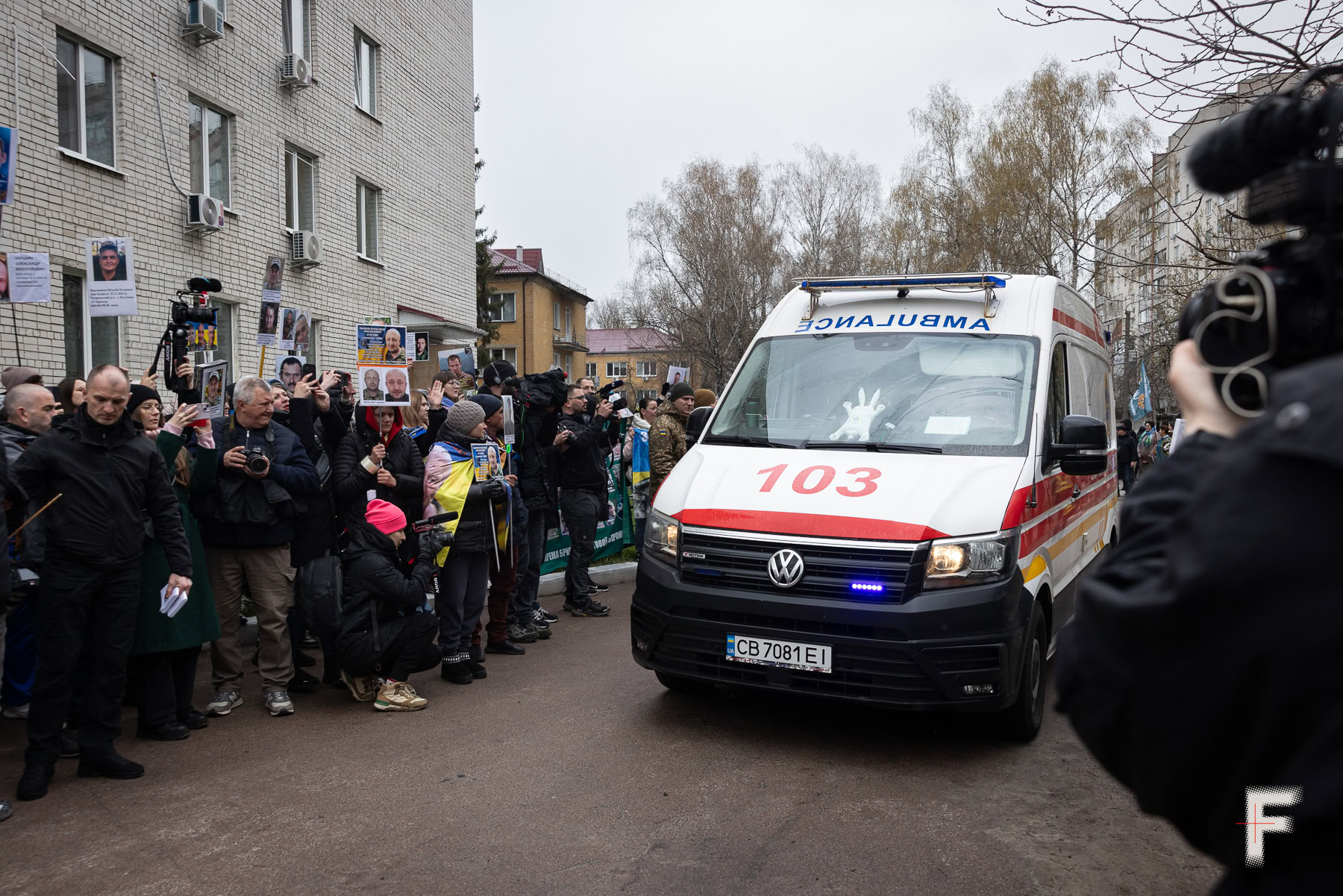
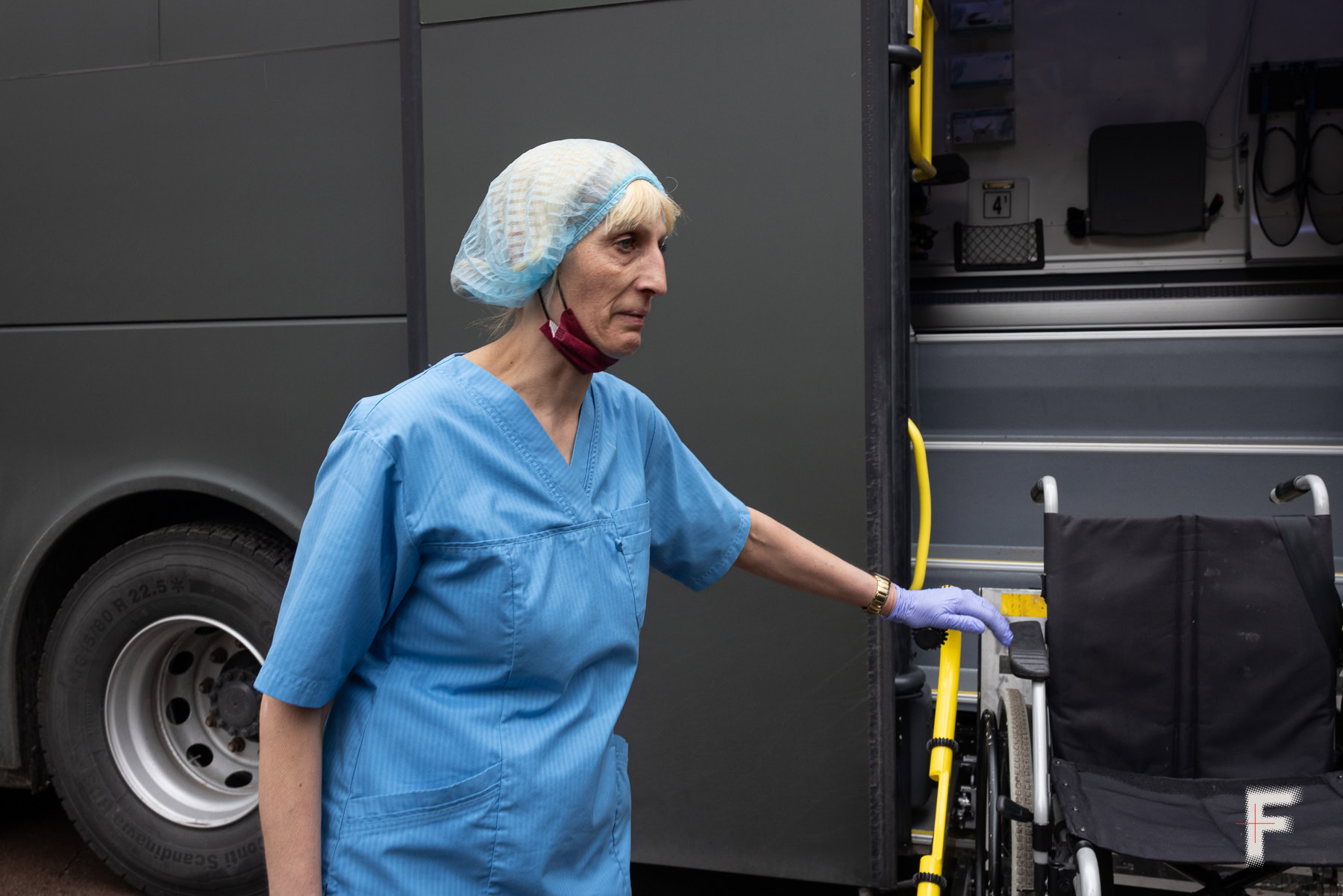
Three ambulances enter the hospital grounds carrying severely injured soldiers. They arrive at the emergency unit in varying conditions. They are often utterly frail, sometimes so weakened they can barely speak. Nurse Liudmyla Petrushanko has worked here for many years and says it is emotionally very difficult.
I cry constantly. It is a great emotional pain.
When they describe how they were treated, it is horrifying,
Liudmyla quickly approaches each of the injured, helps transfer them onto stretchers, and escorts them into the hospital. There is no pause to talk or rest. But for a moment, the nurse allows herself something beyond medical protocol: she removes her mask, leans in, and kisses an injured defender on the cheek.
“I have been working here for many years. If I didn’t love working in the medical field, I wouldn’t be working here,” Liudmyla says about her work with those released from captivity.
“I am happy that my child is home.”
Among those who come to prisoner exchanges are people who have already been reunited with their loved ones. Ivan Roman received news of his son’s release from captivity on Feb. 5, 2026. His son, also named Ivan Roman, is now by his side. They come together not to wait, but to support others.
I don’t want to come here anymore,
but I will keep coming as long
as our guys are still there,
Ivan adds that he remembers well that state of uncertainty and knows how important it is to simply be present.
“I am happy that my child is home. He is with us now, right here beside us. It is a great joy. And I wish this joy for all the people who are waiting.”
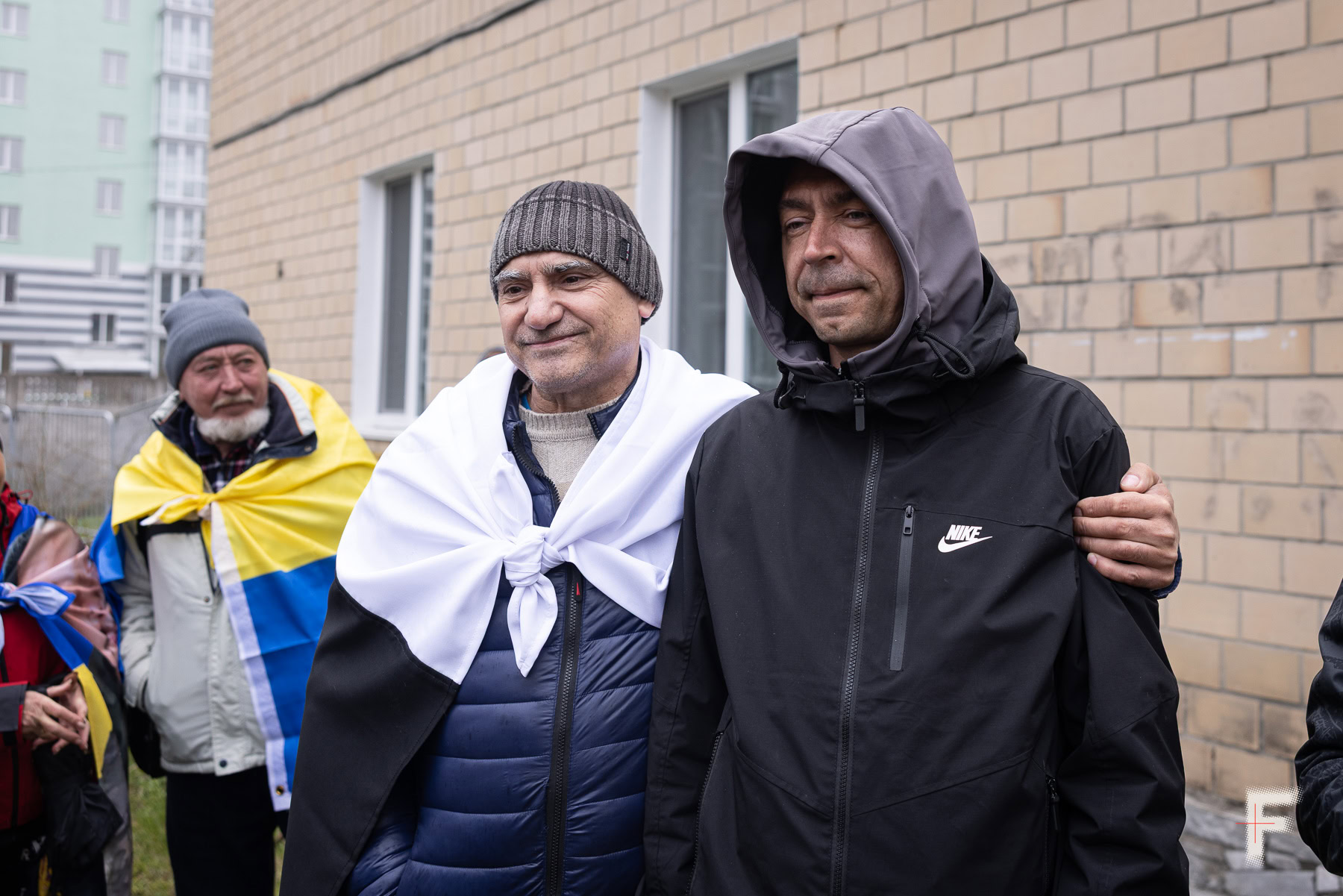
The father speaks with restraint about their first meeting after his son’s release. He says they talked a lot, but consciously avoided certain topics. At the same time, he admits there were things that deeply affected him. While together, Ivan noticed marks on his son’s body that he first mistook for birthmarks.
It turned out they were marks from an electric shock device.
There are many of them –– on his arms, on his back.
I simply cannot imagine what he went through, so I’ve closed that topic,
Ivan does not ask about his son’s future plans. He says his son does not want to talk about it.
“He’s bought a car, but he doesn’t talk about future plans. He says that if you share them, they won’t come true, so it’s better not to. If they do, he’ll tell me,” he says, paraphrasing his son.
A special exchange
More buses arrive at the hospital. Relatives standing along the road try to recognize their loved ones in the windows.
“Girls, have you seen him?” a woman asks, showing a photo on her phone screen.
This time, for some families, the waiting comes to an end. They spot those they have been waiting for and try to push through the crowd to reach them, embracing and saying a few words.
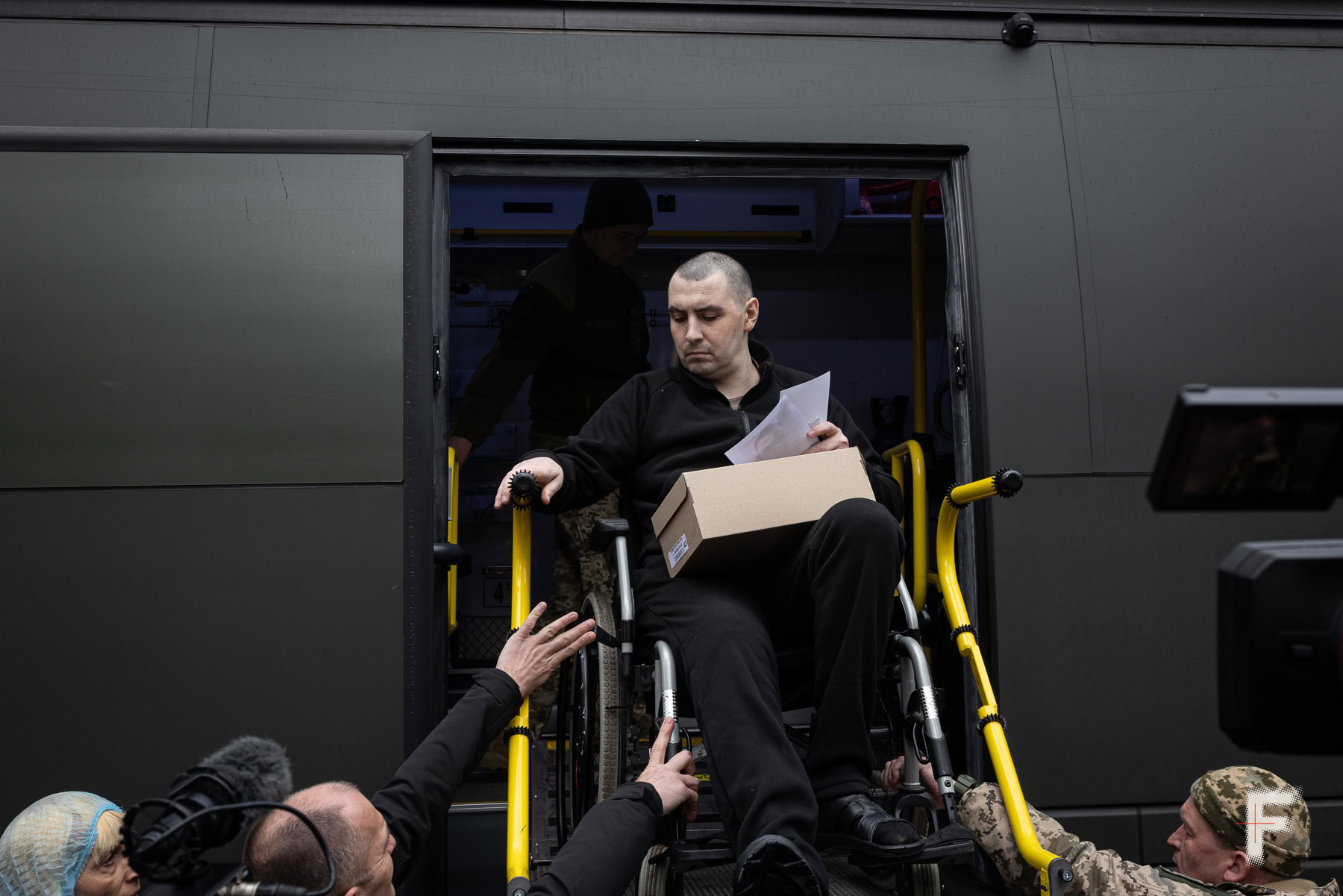
A notable aspect of this exchange is that almost all of those released had been in captivity since 2022. Among them are 25 officers whom the Russian side had previously refused to release. Most were captured during the defense of Mariupol. Also among those returned are National Guard servicemen taken during the occupation of Chornobyl in the first days of the full-scale invasion.
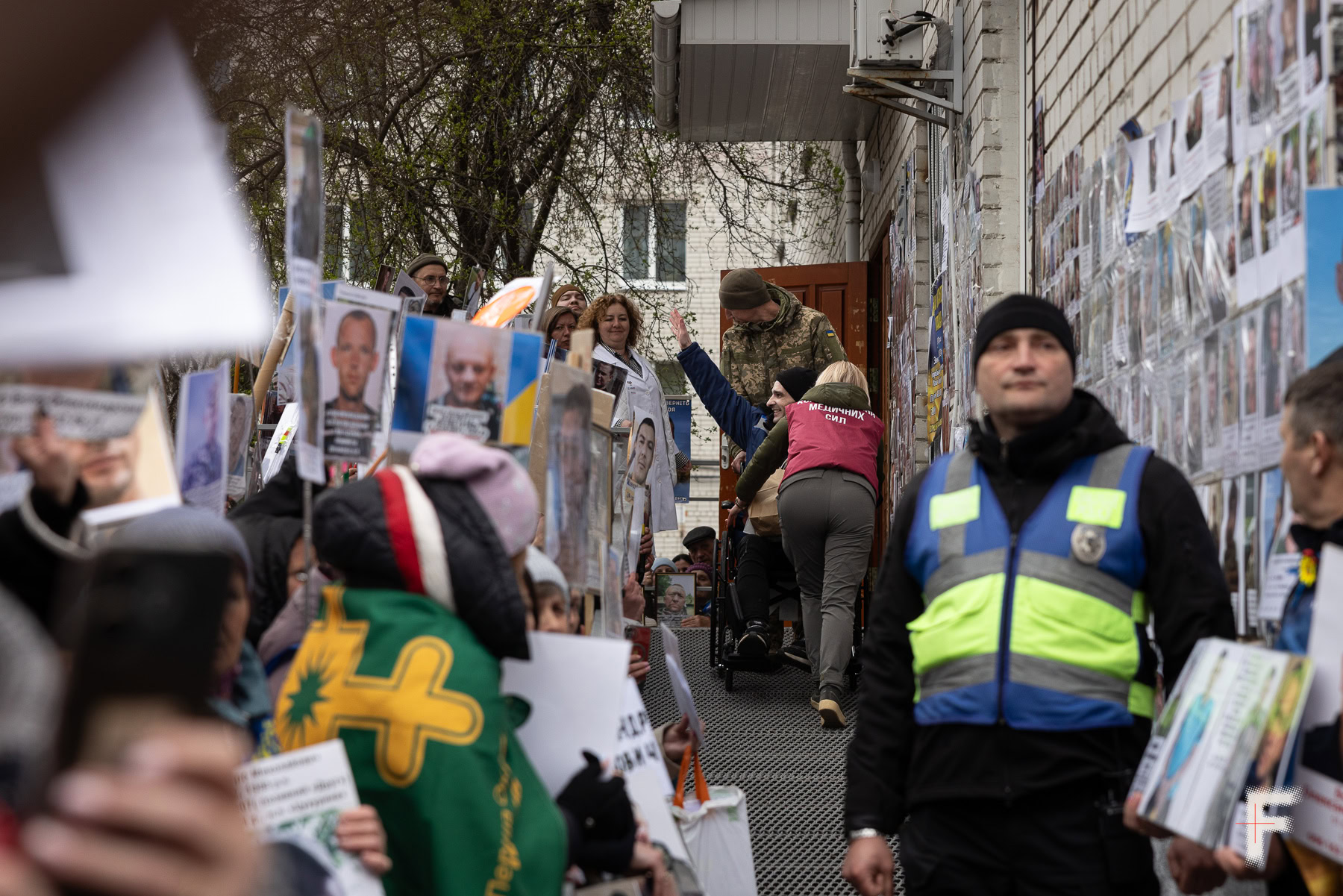
The ages of those released range from 22 to 63. They include servicemen from various branches: the Navy, Ground Forces, Territorial Defense, Air Forces, Air Force, National Guard, and State Border Guard Service.
Alongside the military personnel, seven civilians who had been held since 2022 were also returned. All of those released will undergo medical checks, treatment, and rehabilitation after their long captivity.


***
Hi, we are Ruslana and Danylo, the authors of this article. Thank you for reading to the end.
Every story starts with your support. Join the Frontliner community so we can keep up documenting Russia’s war against Ukraine from the front line and the rear.
***