Documenting the occupier: how civilians collect evidence of Russian war crimes
Russian strikes on civilian areas and crimes in occupied territories leave daily traces that must be documented. Ukrainian civilians can play a key role in recording war crimes, such as photographing the aftermath of attacks and collecting witness testimony. Yet this must be done ethically and within the law. Proper documentation helps bring perpetrators to justice, support victims and build evidence for international courts.
Few expected to become war correspondents or forensic documentarians. Yet in today’s Ukraine, an ordinary passerby with a phone can become a source of evidence for future tribunals. Russia’s war has produced a steady stream of alleged war crimes, from strikes on residential areas to abuses in occupied territories. In this context, smartphones and notebooks can serve justice. Civilians have become the eyes and ears of the world, documenting events so that no crime goes unnoticed. It is emotionally difficult and sometimes dangerous, but critical. Here is how civilians can do it safely and effectively.
What counts as evidence
A war crime is not an abstract concept. It refers to specific acts prohibited by international humanitarian law, such as deliberate strikes on schools or hospitals, shelling of residential buildings, torture of prisoners, abuse of civilians, sexual violence, use of human shields and forced deportation.
If you witness such acts or their aftermath, your information may become part of an evidence base.
Documentation includes preserving facts about an incident:
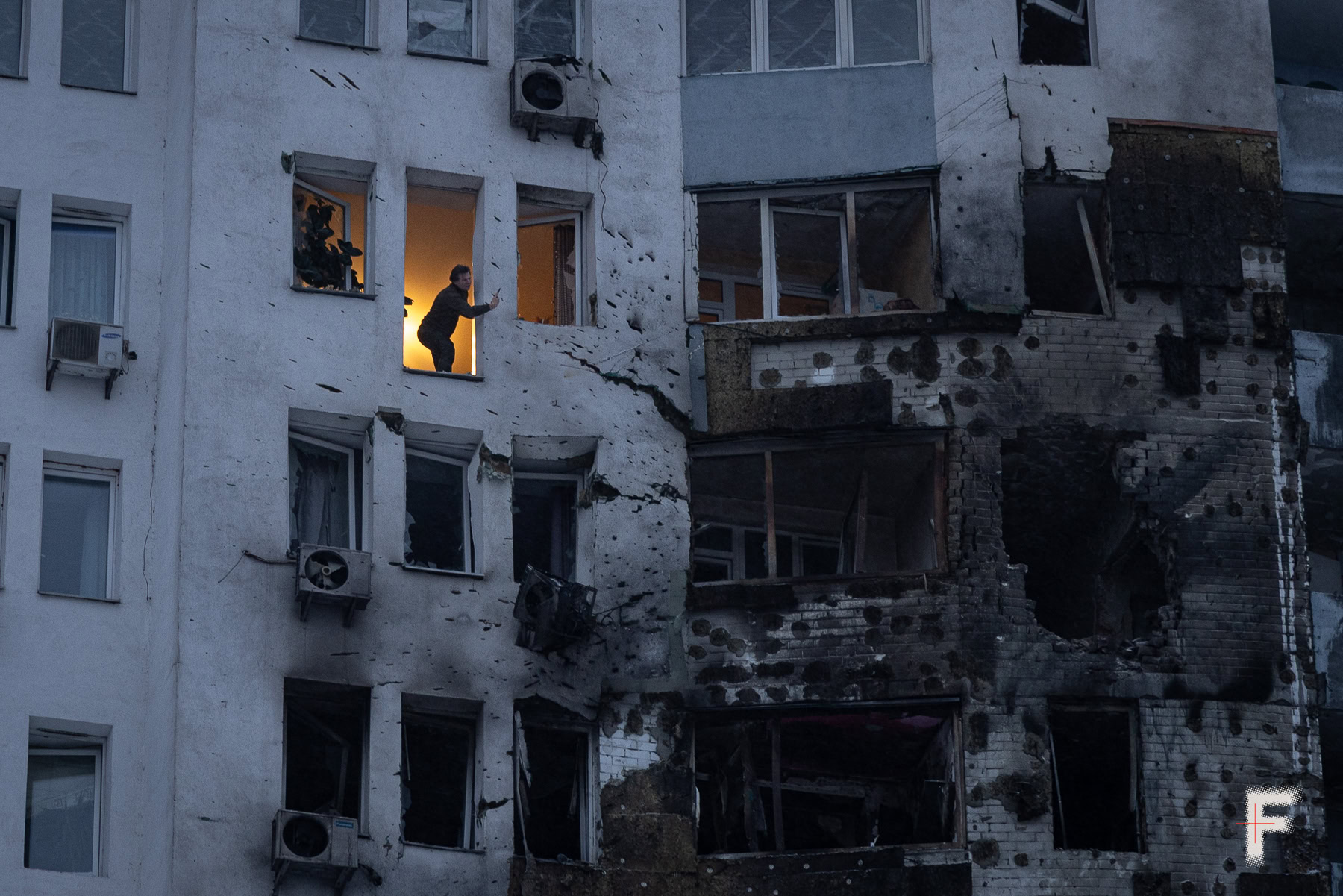
- Photos and videos: Record damage, debris, military equipment or other visible evidence. Keep original files and avoid editing to preserve metadata such as time and location.
- Geolocation: Note the exact location — address, GPS coordinates or recognizable landmarks.
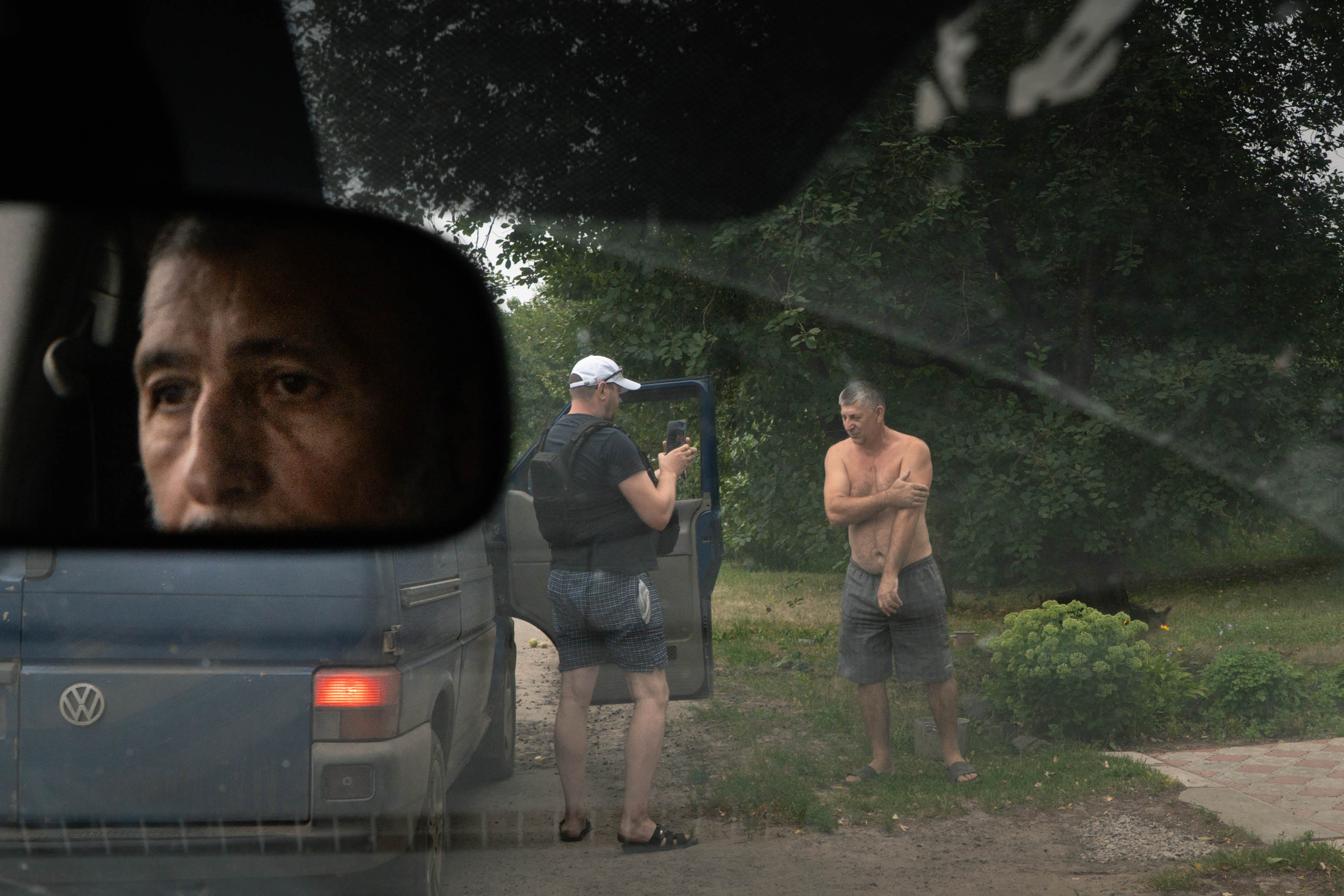
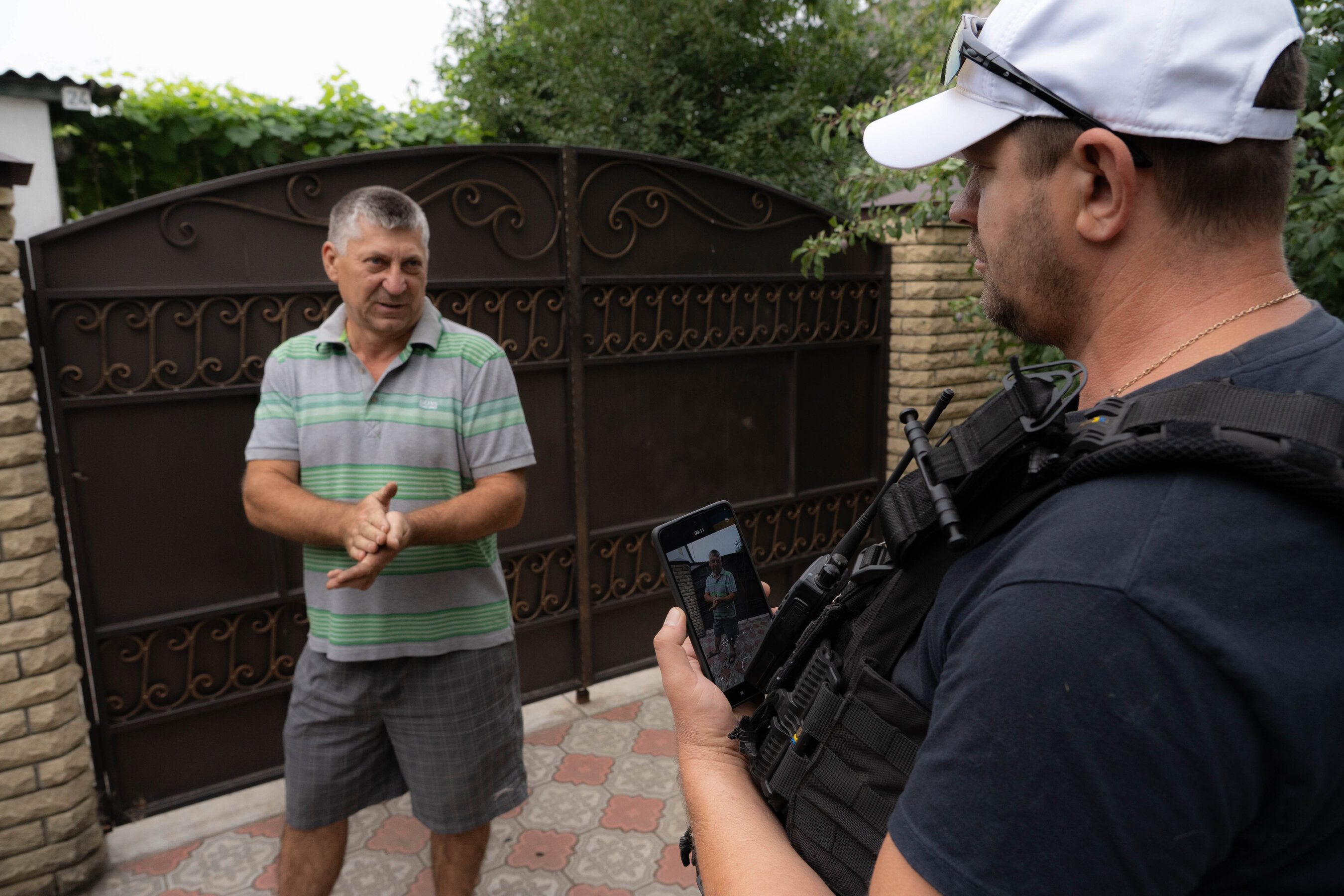
- Witness testimony: With consent, record statements or contact details of witnesses. Even brief notes or short recordings can be valuable.
- Physical evidence: Fragments, casings or documents left behind may be relevant. Do not move or disturb them if investigators are expected. Photograph them instead.
How to document safely
Spontaneous action can help, but caution is essential:
- Prioritize safety: Ensure there is no immediate danger. Wait for clearance after strikes and avoid areas with unexploded ordnance. In occupied areas, act discreetly.
- Check your device: Ensure your phone is charged and has storage space.
- Capture details: Take wide shots for context, medium shots for location and close-ups for details such as markings or damage. Short video clips can add context.
- Add narration: Record the date, time, location and description on video to provide context.
- Protect others: Do not film identifiable faces without consent, especially in occupied areas. Anonymize when needed.
- Follow the law: Do not publish sensitive materials that could aid the enemy. Avoid sharing strike locations without authorization.
- Preserve data: Keep metadata intact, back up files and write down key details for future reference.
-
Volunteers are recording testimonies from local residents, Borova, Ukraine, August 1, 2025. Marharita Fal / Frontliner
-
A volunteer records testimonies from local residents, Borova, Ukraine, August 1, 2025. Marharita Fal / Frontliner
Where to submit evidence
Once evidence is collected, it should be shared with authorities or organizations that can act on it:
- Official channels: Ukraine’s Prosecutor General’s Office collects war crimes reports via platforms such as warcrimes.gov.ua. Law enforcement agencies, including police and security services, also accept reports.
- Defense tools: Apps like the “eVorog” chatbot in the Diia app allow users to report enemy activity with geolocation.
- Human rights initiatives: Projects such as “Tribunal for Putin” gather testimonies and pass them to prosecutors, the International Criminal Court and the United Nations.
- Investigative journalists: Independent groups such as Bellingcat analyze open-source data and may use civilian footage in investigations.

Why it matters
There are several reasons civilians document war crimes:
- Accountability: Evidence is essential for prosecutions. Each photo or testimony contributes to building a case.
- Justice for victims: Documentation helps victims be recognized and may support compensation claims.
- State assistance: Programs such as “eVidnovlennia” require evidence of damage to provide financial aid for repairs or rebuilding.
- International compensation: Evidence may support future claims using frozen Russian assets.
- Historical record: Documentation counters disinformation and preserves the truth of the war.
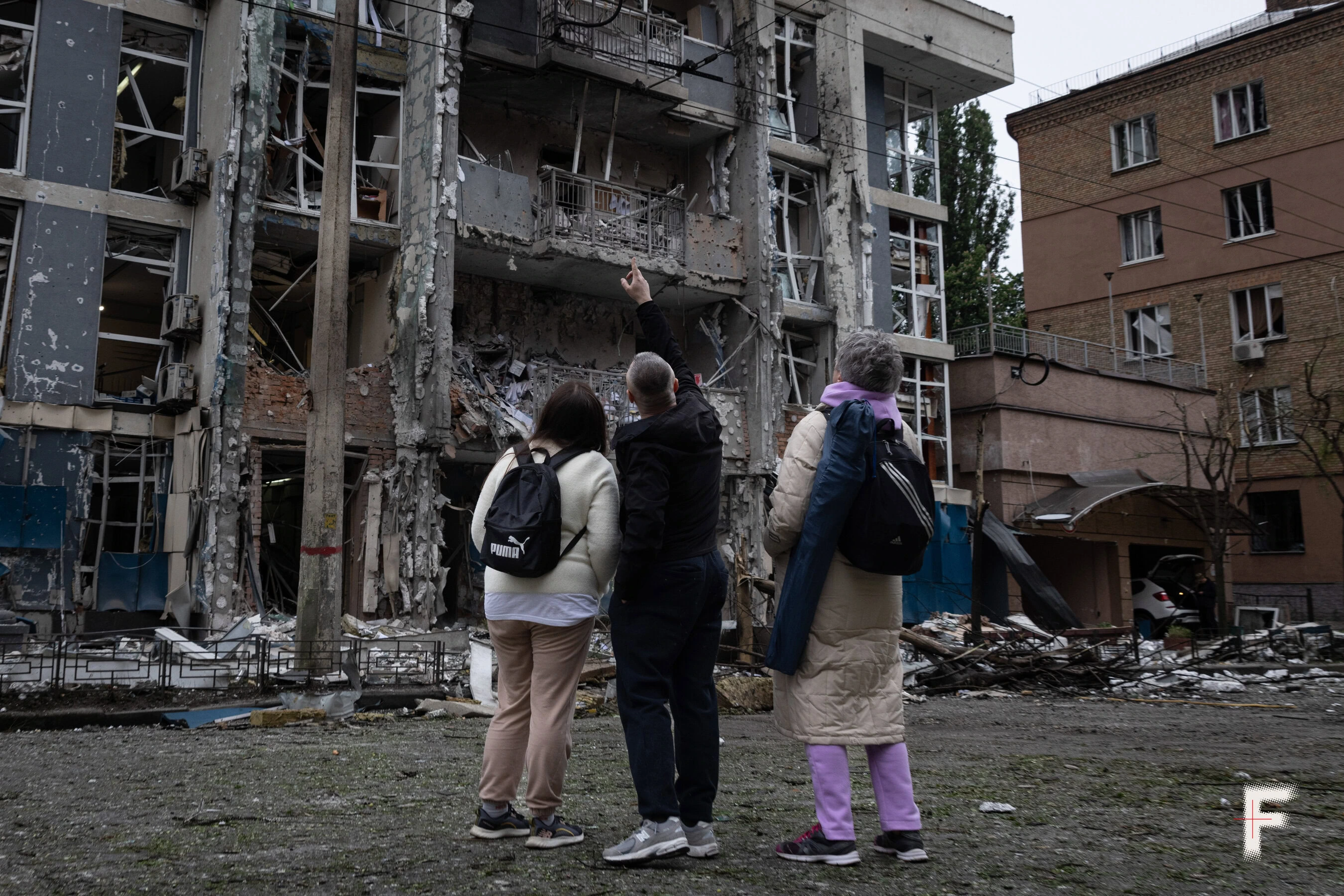
Russia’s war has mobilized Ukrainians not only on the battlefield but also in documenting its consequences. Some donate to the military, others record evidence of destruction. Safety remains paramount, but each documented fact strengthens the case for justice.
***
Created with the support of the Association of Independent Regional Publishers of Ukraine and Amediastiftelsen as part of the Regional Media Support Hub project. The authors’ views do not necessarily coincide with the official position of the partners.