
Horlivka, the city I love but do not remember
Horlivka was one of the first cities in the Donetsk region to fall under Russian occupation in 2014. Eliza Zhdanova tells Frontliner about the home that now exists only in her memory.
“Where are you from?”
“Ummm…from Kyiv.” – an subconscious defense mechanism I often notice in myself and others from the eastern regions of Ukraine.
“Were you born here?”
“Well, no, actually I’m from Donbas.”
“Where exactly?”
“Horlivka. We moved in 2014.”
An attempt to protect myself from prejudice and intrusive questions. A harmful habit that took root in my mind 11 years ago after repeatedly hearing ‘ponaiekhali’.
Once, on a train from Ivano-Frankivsk to Kyiv, a balding man decided to interrupt my book with his ‘charming’ company. After fifteen minutes of chatter about prices and the weather, he finally got to the important part: there are too many of these ‘Donetsk people’ in Kyiv, and they’re all so arrogant, narrow-minded, and, of course, pro-Putin.
At that moment, it was time to tell him that I live in Kyiv but I’m originally from Donbas. And now, mister, you’ll hear my rehearsed story about the so-called ‘pro-Russian’ nature of Donetsk region.
[Translator’s note: ‘Ponaiekhali’ is a negative slang term meaning “they arrived here”, used to express resentment toward migrants perceived as pro-Russian from eastern regions of Ukraine.]
My mother always tells this story in similar situations. She worked at Horlivka Gymnasium. One day, the principal heard that teachers were speaking Russian in the hallway. She then gathered the entire staff and made it clear: teachers must speak only the official language, both in class and during breaks, and if she ever heard Russian again, it would mean immediate dismissal without any warning. End of story. I think no further explanation is needed.
I don’t deny centuries of Russian influence on our city. Yes, we celebrated “Victory Day” and, God forgive me, read Pushkin. But with such tenderness, we recited Shevchenko’s poetry by heart on the 200th anniversary of his birth, dressed in traditional embroidered shirts and under Ukrainian flags. That was the last celebration of the poet’s birthday in Horlivka. I was nine years old at the time.
[Translator’s note: Victory Day refers to the holiday celebrated on May 9 in the former Soviet Union republics, commemorating victory in World War II. However, for many, it also symbolizes the Soviet occupation of Ukraine, making the holiday politically sensitive since 1991.]
When we had to leave
When we remember something, we don’t recall the memory itself, but only the last time we replayed it in our minds. That’s what I heard. That’s why some memories fade over time, while others become distorted. And for the ones that remain, we have to hold on with all our strength.
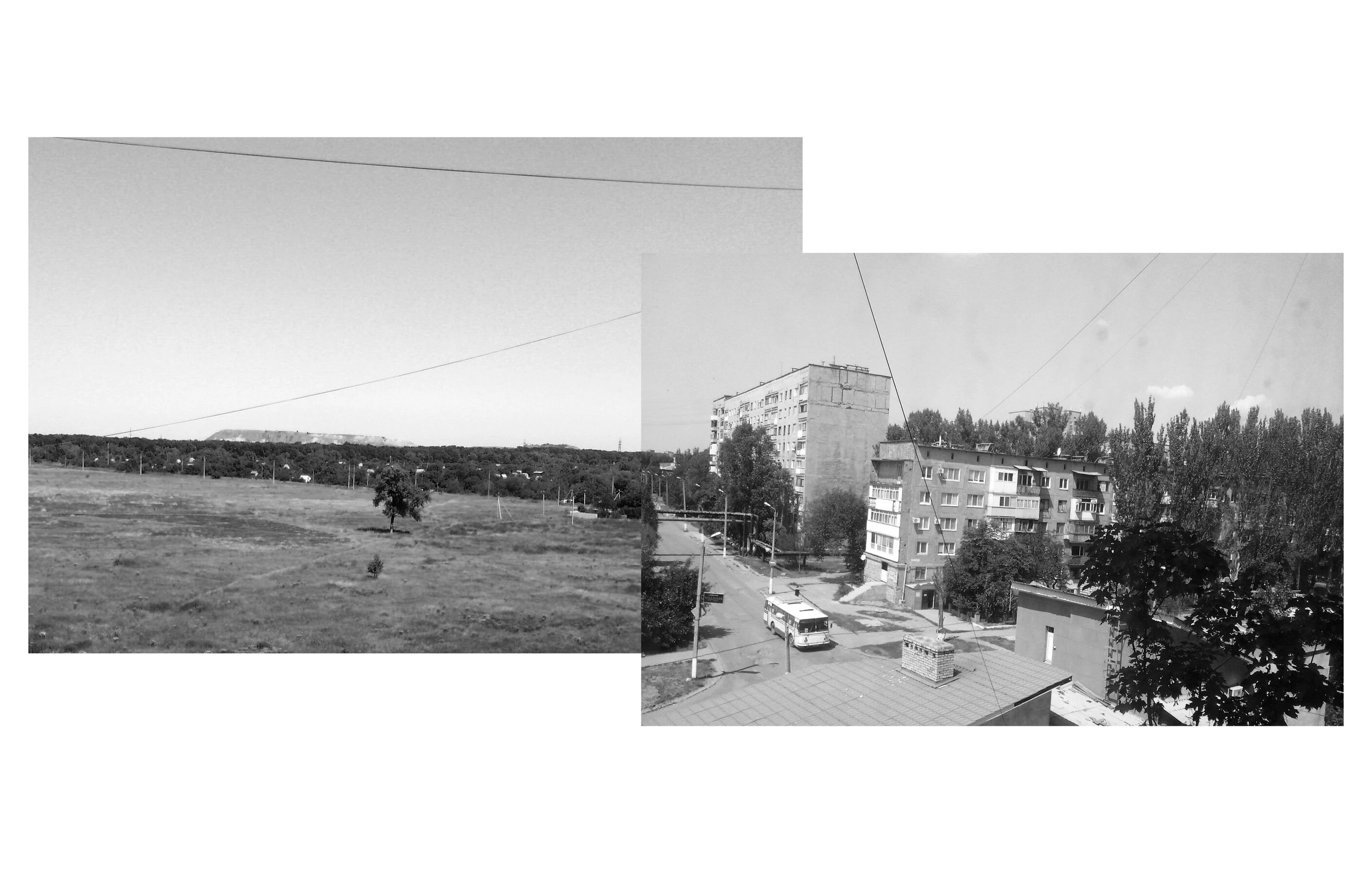
It’s hard for me to write about Horlivka, mostly because I remember almost nothing. Yet I can recall one day in June 2014 in vivid detail. We were at my grandmother’s. In the morning, my father gave me fairy stickers, which I used to decorate my bicycle. Then the planes came. Soon after, my parents said we had to pack our things. At lunchtime, for reasons I didn’t understand, we visited my father’s parents, with whom we were estranged. In the evening, my parents packed documents, counted money, and said we would stay briefly with relatives in Zaporizhzhia. At night, we drove through Volnovakha. For some reason, the fields glowed orange and red. Then men with weapons shouted for us to turn off the headlights, and my frightened mother said there were two children in the car. And then it was morning again.
Later, we would still visit my grandmother. Her village, which had previously been part of Horlivka’s administrative district, remained Ukrainian at the time – the very last one before the front line. In 2022, on the way to Bakhmut, the Russians took even that. I know that the occupiers stayed in my grandmother’s house. I try not to imagine them sleeping in the bed where, as a child, I would draw patterns on the wall carpet during quiet afternoons.
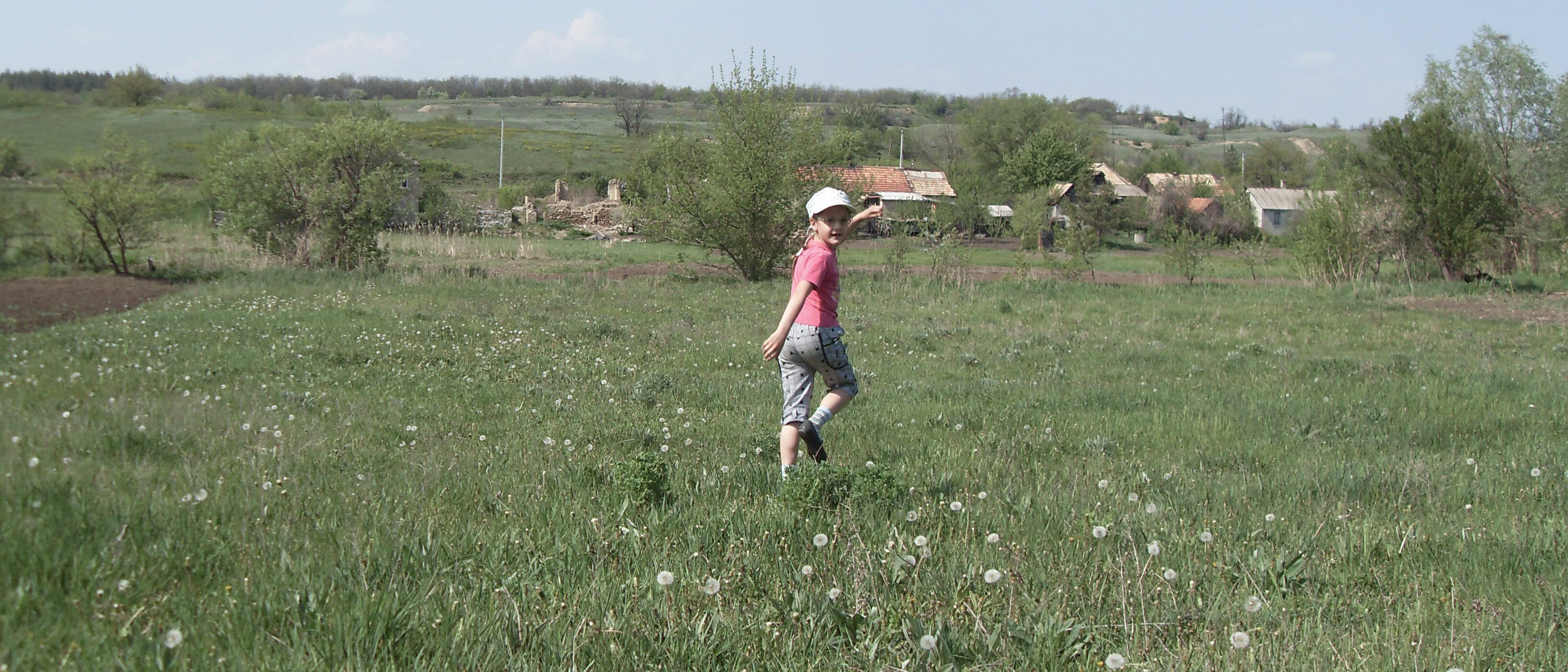
I know that this picturesque place from my childhood no longer exists – I know it, yet in my imagination it remains just as it once was. I picture the black hands from the mulberry tree and the soot-stained feet on the road. My grandmother’s hand, darkened by the sun, rich borshch with homemade sour cream, and my Ukraine bicycle. The spoil heaps. The heavy, fluffy snow…Swimming in the quarry.
Time that stopped
We also visited occupied Horlivka a few times to check on the apartment. We found it still miraculously intact, though the adjacent building had burned down. During one of these visits, around 2018, I photographed every corner of the apartment on my phone. That was the last time we were home.
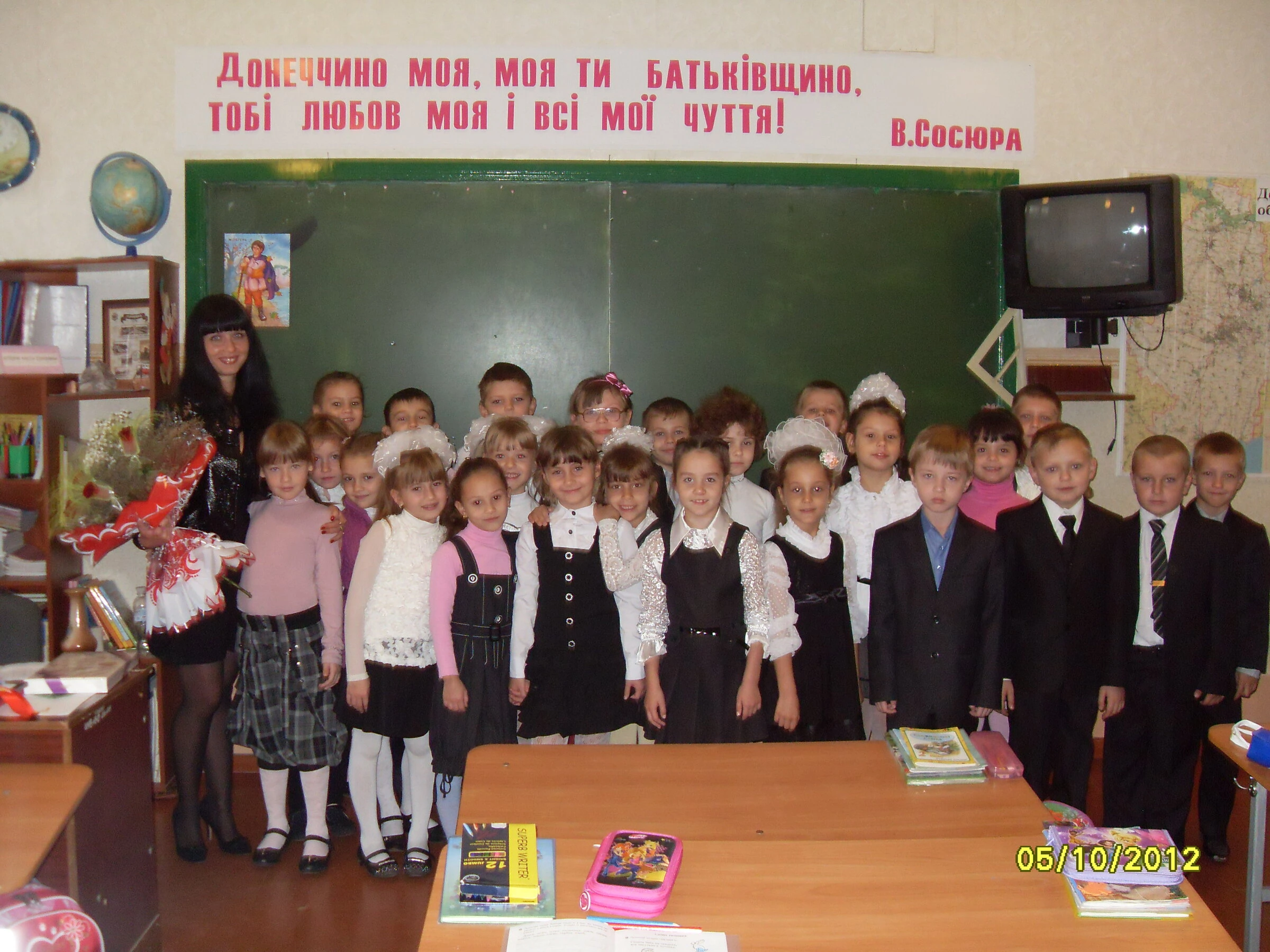
In my room remained a collection of magazines about fairies, dolls, horse posters, a star map, a first-grade photo on the wall, and a 2014 calendar. Now I work and rent an apartment in Kyiv, and recently my friend from Luhansk got engaged to her boyfriend from Horlivka. It’s strange to realize that a whole eleven years have passed.
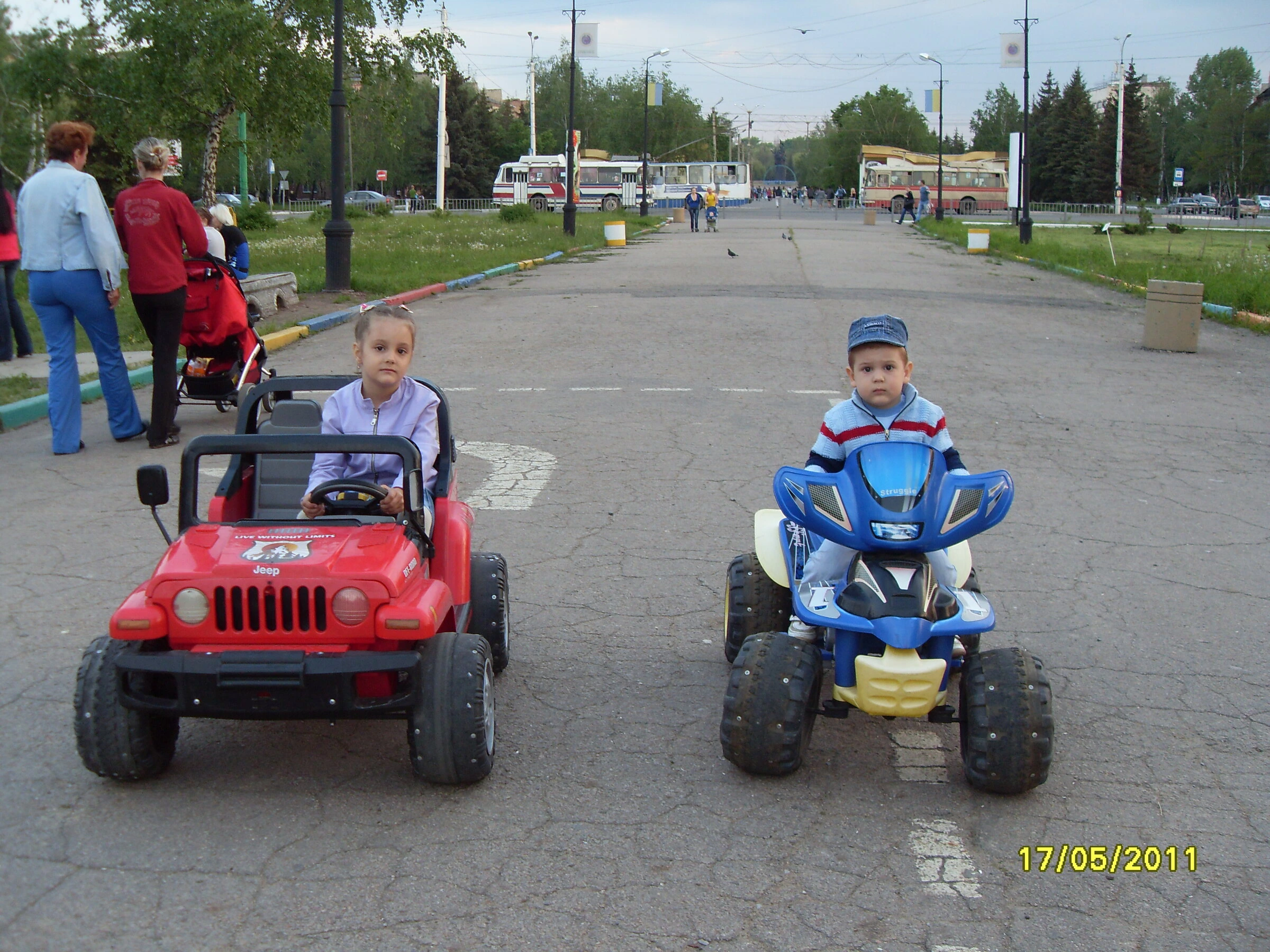
I liked the LAZ buses in Horlivka. They were huge compared to the Zaporozhian minibuses and had friendly ‘faces.’ We also paid for the ride when we got off, not when we boarded. I loved the town’s market too: there was a large blue milk cistern and very tasty cheese sticks at the bakery. On weekends, my parents would take my brother and me downtown to ride the little toy cars.
To get downtown from our neighborhood, we had to cross a bridge. It was there that I first saw a column of military vehicles, though of course I didn’t understand anything at the time. Or maybe, deep down, I did understand – why the news constantly showed burning tires, and what those black-blue-red stripes sprayed on the walls meant – I just didn’t know the word ‘war.’
[Translator’s note: The black-blue-red stripes refer to the flag of the so-called “Donetsk People’s Republic” (DPR), Russia-backed militants who carried out hybrid warfare in eastern Ukraine.]
I will not return home
There are two things I know about Horlivka: how much I long to go home, and that I will never return there. We will reclaim this territory, and perhaps after years of rebuilding, the city will flourish again. But it will no longer be my Horlivka. Let it remain in my memories as it was before the summer of 2014.
Author: Eliza Zhdanova
Adapted: Irena Zaburanna
Read more — Uzhhorod: a war lived 1,000 Kilometers from the front
