Crimea: An island of love that endures
Crimea was Ukraine’s first loss in this war. It was also a personal loss for many Ukrainians, one that continues to be painful after 12 years. For some, the peninsula was home. For others, it was a place of strength, a place they returned to again and again, a source of inspiration, a site of academic research, and a focal point of political tensions. Frontliner reporter Olena Maksymenko shares her own experience in Crimea, memories that still sustain her, despite the distance in time and place.
I am six years old. It is 1991, and my parents and I are in Crimea for the first time. My earliest memories are of the heat, the smell of sunburned steppe, dry, yellowed grass and tiny white snails clinging to it. During our trip, a coup attempt unfolds — an attempted seizure of power that would ultimately lead to the collapse of the Soviet Union and Ukraine’s declaration of independence. Our relatives worry about us. At the time, members of the self-proclaimed State Committee on the State of Emergency had blocked President Mikhail Gorbachev at his Crimean dacha, or country residence. We learn about it much later. We had no access to news at the time. The sea frightens me, but the steppe and the mountains leave me in awe. My mother buys me hair clips spelling the word ‘Love’, the first English word whose meaning I learn. From then on, even though no one in my family had ties to Crimea, every arrival brought the same inexplicable feeling: I was home.
The wind of hope and adventure
It is 2004. I am a student at the Institute of Journalism, traveling to Crimea with friends by hitchhiking. The Orange Revolution is still fresh behind us, and we had taken part in it ourselves. The sense that your actions can shape the course of history is intoxicating. The world feels simple and understandable, and we feel nearly all-powerful. We have just stood up for the country’s interests, and it seems certain that everything will now turn out fine. We travel across almost the entire country with no money and arrive feeling completely at ease.
Sudak. The fortress. A historical festival. A minstrel’s cloak sewn from a potato sack. Knightly tournaments.
The Kara Dag, where friends from Kyiv-Mohyla Academy are doing fieldwork, studying marine flora.
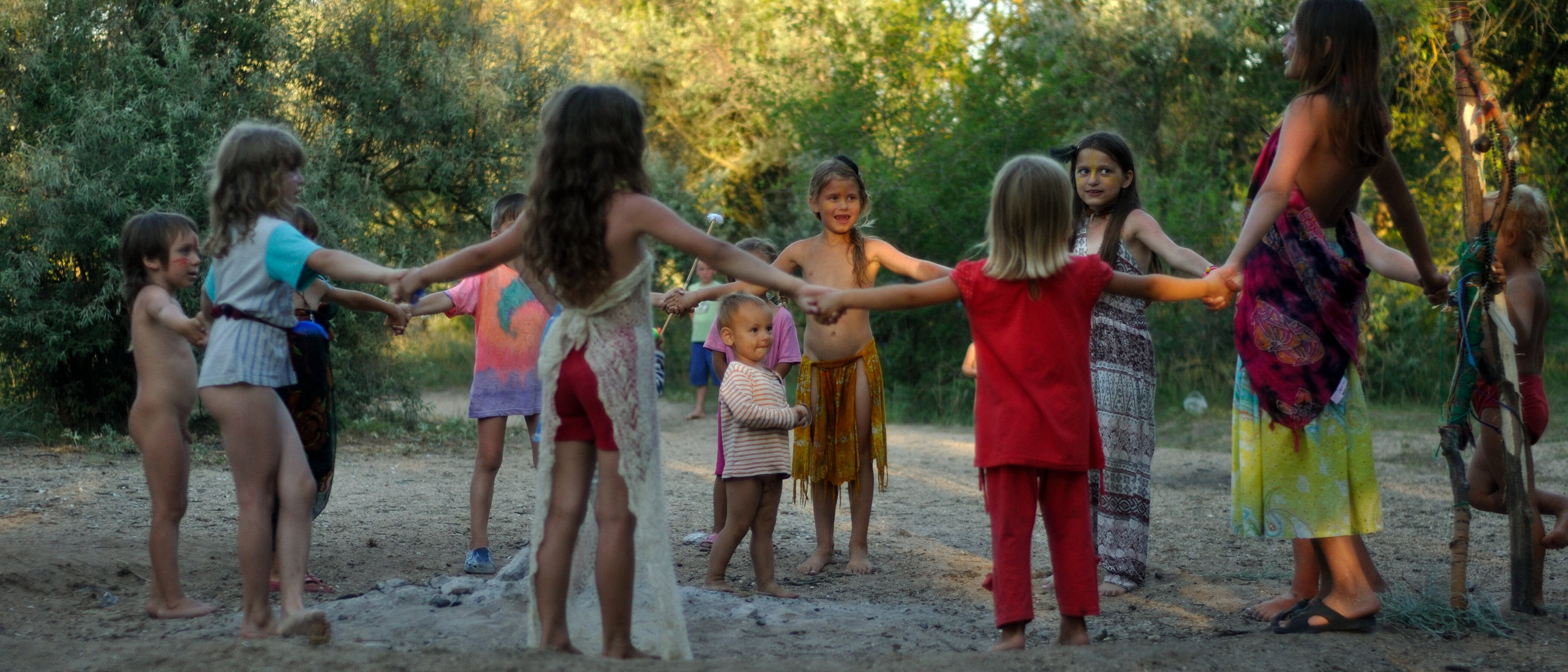
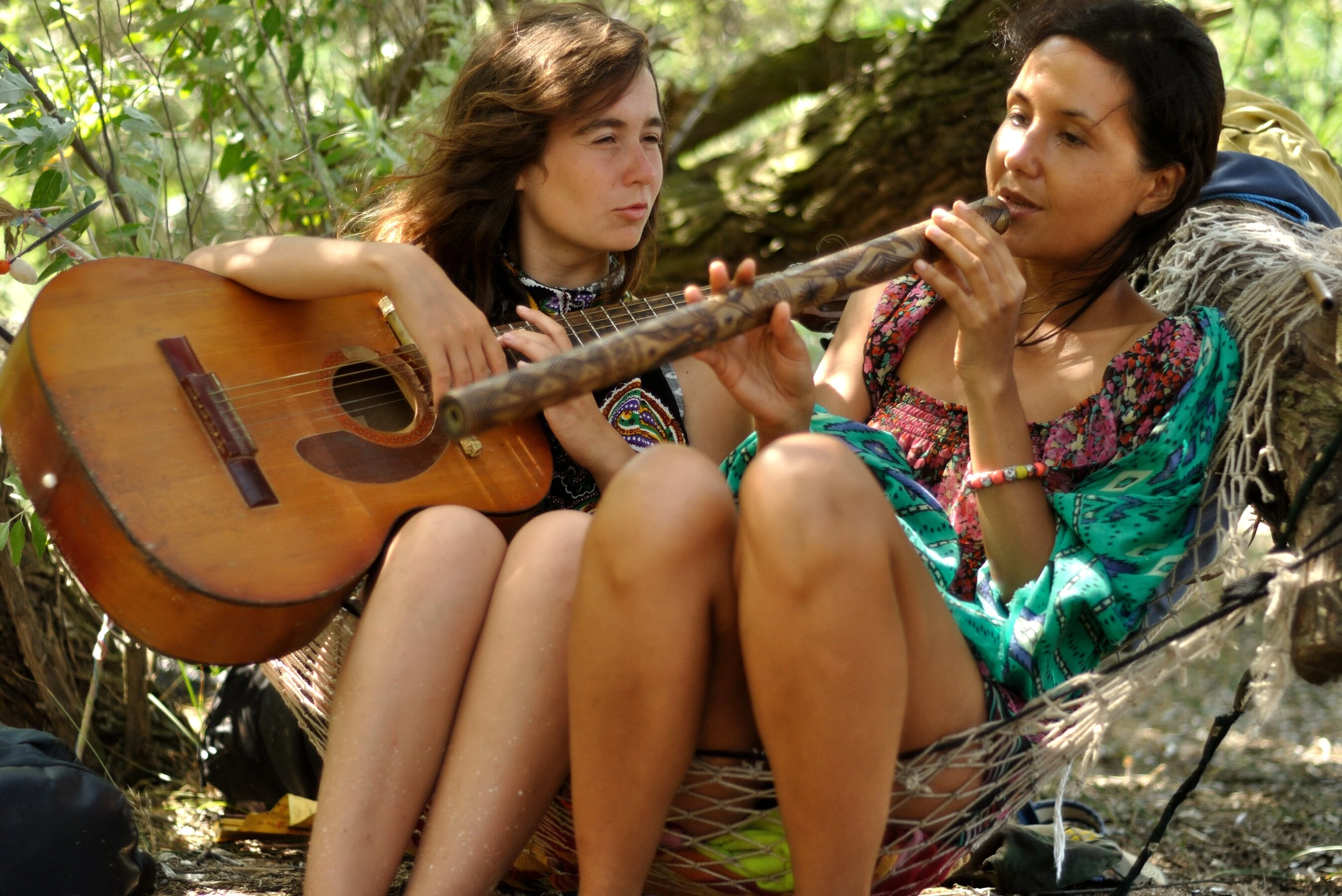
Fox Bay is a wild beach that draws artists, yoga practitioners, hippies and other unconventional people. It is a place shaped by creativity and trust. We leave our belongings unattended, confident that everyone here is one of our own. We sleep under the open sky and take short trips to Feodosia to visit the Aivazovsky Art Gallery. A Crimean Tatar craftsman repairs my torn sandal. I walk over to him barefoot.

Every May during my student years, we went to Mangup-Kale, a cave city with the ruins of a fortress dating back to the fourth and fifth centuries. Many people thought of it as a place of renewal. At that time of year, it was especially beautiful, when the landscape was still lush and green. There was an old Karaite cemetery, a monastery carved into the rock — as expected, under the Moscow Patriarchate — and a distinct local culture, with its own folklore, slang and place names. On the way down the mountain lived a wine collector who hosted remarkable tastings. In early May, Ukrainians, Russians and Belarusians drawn to wild, unstructured travel gathered there. We got along with everyone because the place felt full of love and light.
A dive into the past
It is 2007. I am a master’s student in ancient history and archaeology at Kyiv-Mohyla Academy, doing fieldwork in Chersonesus alongside my classmates. The expedition is organized by Joseph Carter, director of the Texas Institute of Classical Archaeology, and includes archaeologists from several countries. We are the only students who are paid for taking part in the fieldwork. Ukrainian academic research was chronically underfunded and survives largely on personal dedication. The preserve is split between Russian and Ukrainian archaeological teams. That arrangement causes resentment, but we keep our focus on our own section of the site.
By the time, Viktor Yanukovych became prime minister. A sense of regression and the return of entrenched elites had dulled our interest in politics. We turned to studying the past instead. By day, we learned to identify the teeth of domestic animals that once lived in the ancient city-state. We documented artifacts and entered them into electronic databases. “The most important excavations take place in the archives,” classical historian Vitalii Zubar liked to repeat. It was then that we first encountered the idea of a curfew. After a certain hour, leaving the preserve’s buildings was forbidden. We broke the rule anyway. We drank wine by the sea at night, swam, and ducked behind stone boulders as police officers searched the grounds with flashlights. We climbed over a fence to reach a late-night jazz concert by Enver Izmaylov. The world still felt full of wonders.
A storm beyond the weather
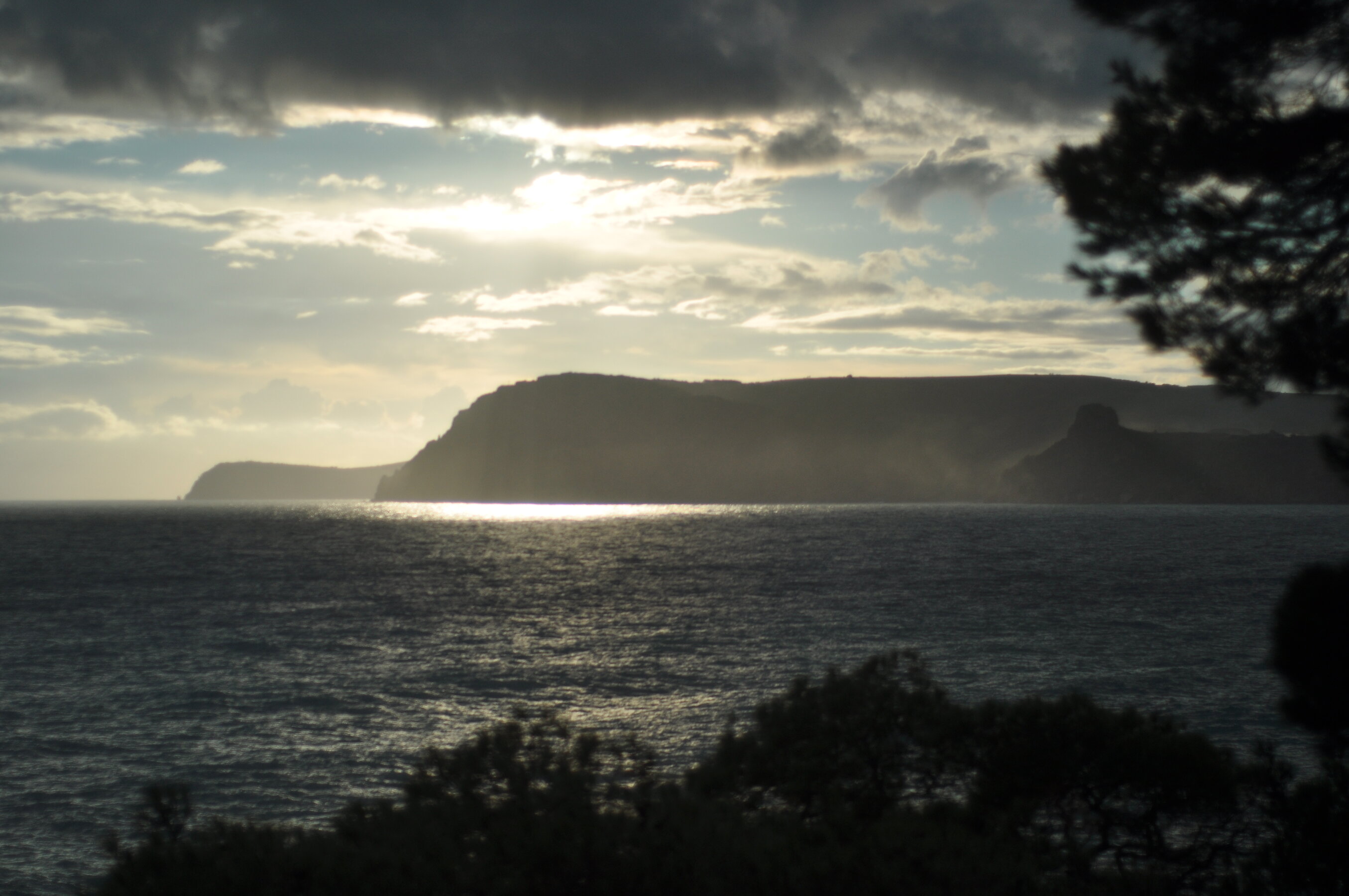
2013 marked the last time we could visit the peninsula in our preferred style, camping freely, without campsites or permits. With Viktor Yanukovych in office, faint but unsettling shifts were already apparent in Crimea’s atmosphere. The region had always been largely Russian-speaking, yet our Ukrainian had never been an issue. This time, it felt as though we were no longer being heard. To negotiate a taxi fare or ask for directions, we had to repeat our questions in Russian. Otherwise, the response was silence. The strongest impression came at Cape Aya, a rugged, and difficult-to-reach stretch of coast accessible by boat. There, enthusiasts had gone to the trouble of bringing in large banners with a provocative slogan: “Crimea is Russia’s property.” At the time, we had no idea that preparations for the annexation were already well underway. Instead, it felt as though the peninsula itself was unwilling to let us leave. A storm rolled in and lingered for days. Heavy rain battered the coast, and boats that ferried travelers from the cape stopped running. An off-road vehicle we tried to rent from the forestry service bogged down in the mud. A local athlete later guided us through the forest and mountains. Ten kilometers is not much, but under driving rain and on slick clay, it became an ordeal. The weather also brought traffic to a halt. No taxi would take us to the train station in Sevastopol. In the end, a daredevil agreed. The short ride cost more than our round-trip train tickets. The railcar was nearly empty, likely because many passengers had missed the train because of the storm. We spread out our soaked sleeping bags and tents and let them dry in relative comfort.
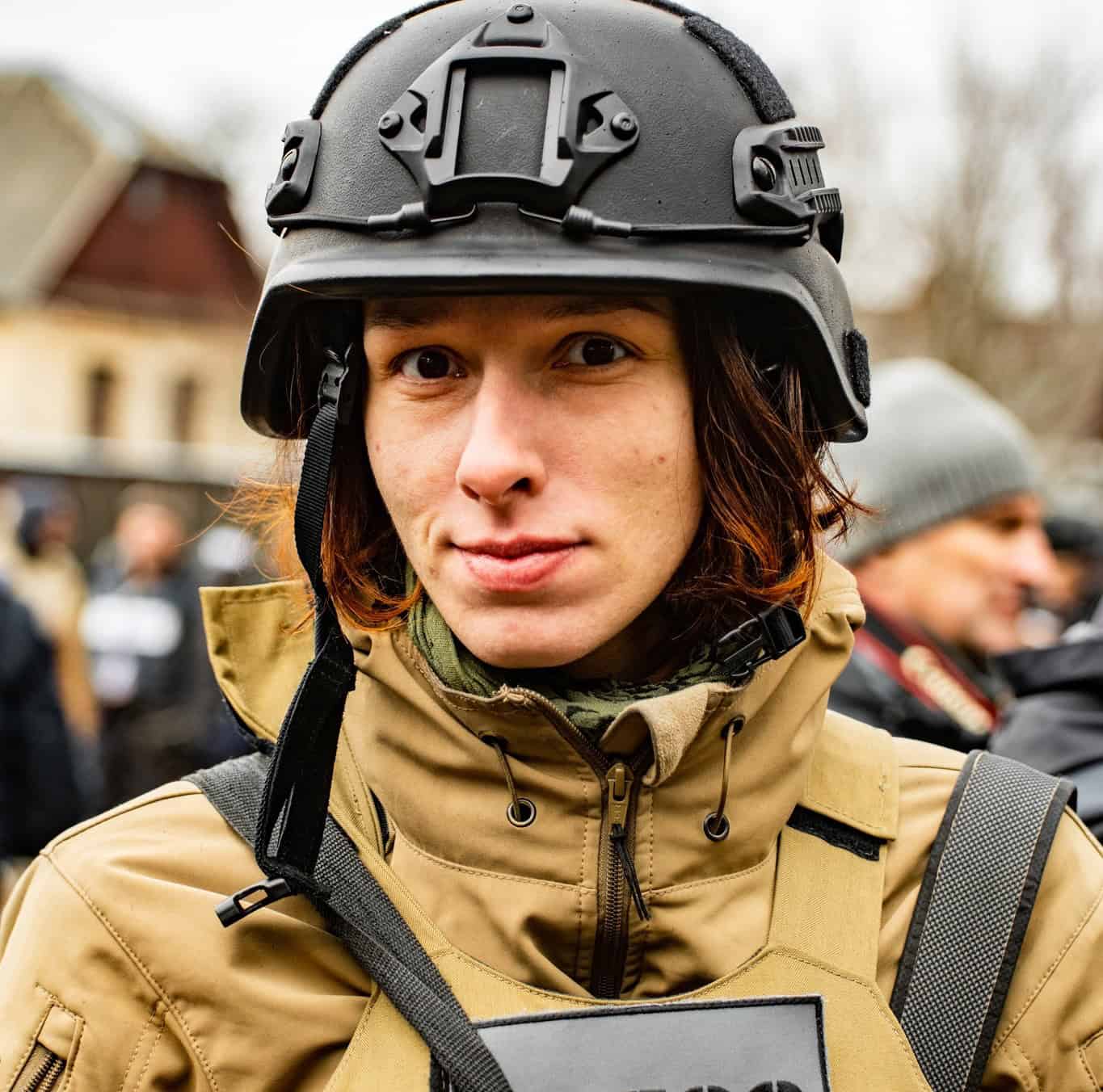
March 9, 2014. I am a journalist, speeding toward Crimea to understand and report on what is happening there. The car is packed with reporters and activists. The victory of the Revolution of Dignity brings an exhilaration and a dangerous sense of invincibility, much like 10 years earlier, but far stronger now. It feels as if the essential work has been done, and the uninvited guests on the peninsula are a misunderstanding that can be set right through shared effort. That illusion dissolves at a checkpoint flying Russian tricolor flags. It vanishes completely when armed men stop our car. The lineup is a vivid one: Berkut officers who fled the Maidan and, as we later learn, had already received Russian passports; “Don Cossacks” in flamboyant hats; hired thugs in slippers and track pants, pistols at their sides; and the so-called “polite people,” soldiers wearing uniforms without insignia. After several hours of terror and what felt like final farewells at the checkpoint, we found ourselves inside a sealed cargo truck, our hands bound and our hair cut with knives. We were taken to an enclosed yard and made to stand motionless, facing a wall. Rifle bolts clicked behind our backs. I waited for a burst of gunfire. I caught the scent of the sea nearby. The injustice of it all cut deeply — being so close to places I loved and never reaching the water, falling into captivity so pointlessly. We were lucky. We were spared. Public outrage over our abduction was strong, and after three days of interrogations and isolation in solitary cells, we were freed. The sense of invincibility was left behind there. Under occupation.
Dispensing with illusions. Fast, cheap and polite
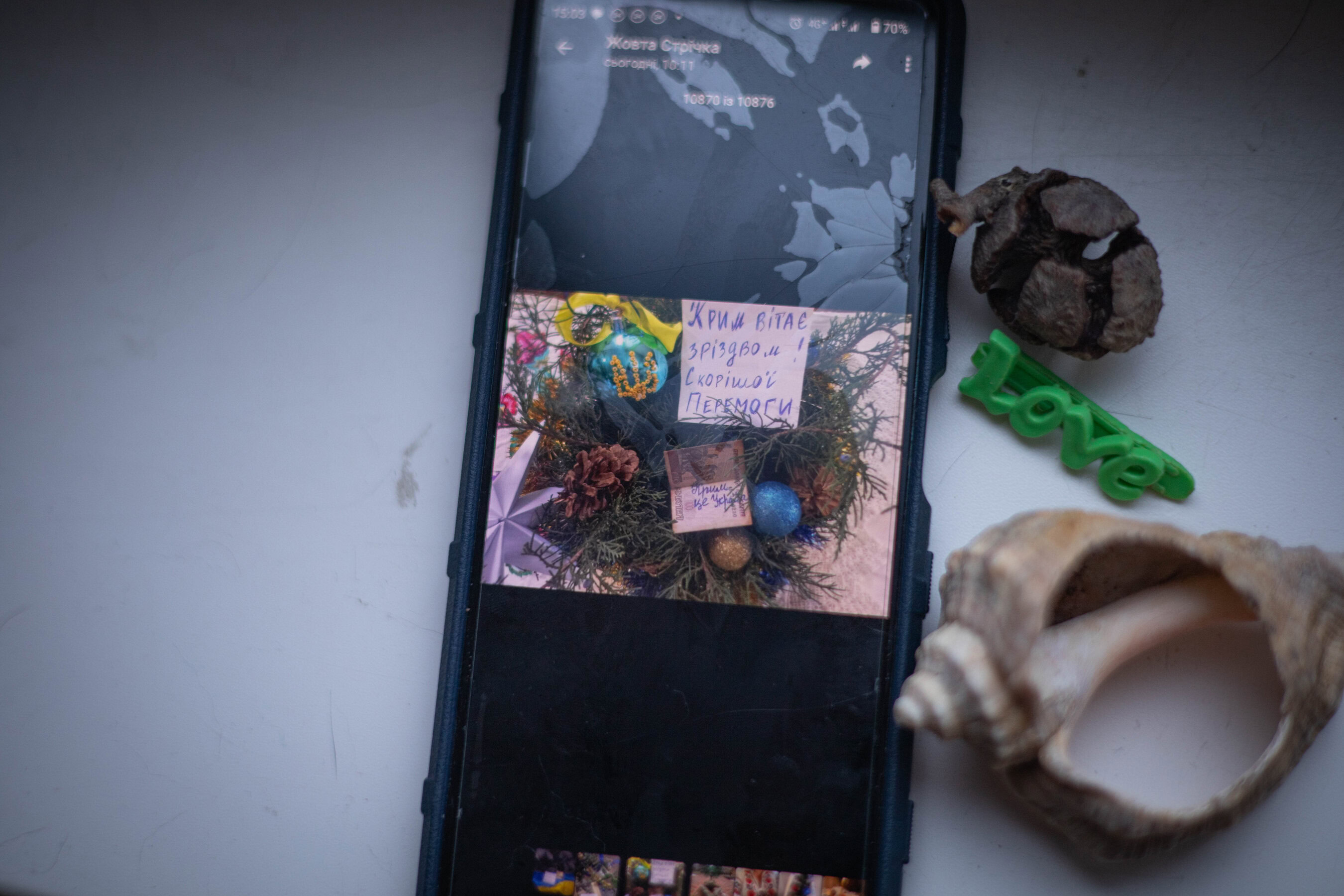
Crimea becomes a virtual space, a mirage that exists but cannot be entered. I keep in touch with Crimean activists and learn about underground life. Those who stayed behind and held pro-Ukrainian views made a deliberate sacrifice. If Crimea is Ukraine, they believed, that conviction must be upheld through presence. Crimean Tatars were among those most at risk. Many had already lost their homes during Stalin’s deportation. Many returned as children and rebuilt their lives and homes from scratch. With pro-Ukrainian media gone, activists turned to what they called “civic journalism,” forming the community known as Crimean Solidarity. Ordinary residents, many without any background in journalism, began reporting searches, detentions and court hearings involving activists, posting updates on social media. When a case ends in a fine rather than jail time, the money is raised collectively, often in small denominations as a quiet symbol of standing together. For a time, Ukrainian hryvnias remained in use within the community. People paid one another in the currency, traveling regularly to mainland Ukraine to buy essentials. Others took an even greater risk, refusing to accept Russian citizenship imposed by the occupying authorities. Those who did were required to leave Crimea every 90 days and live for a time on the mainland.
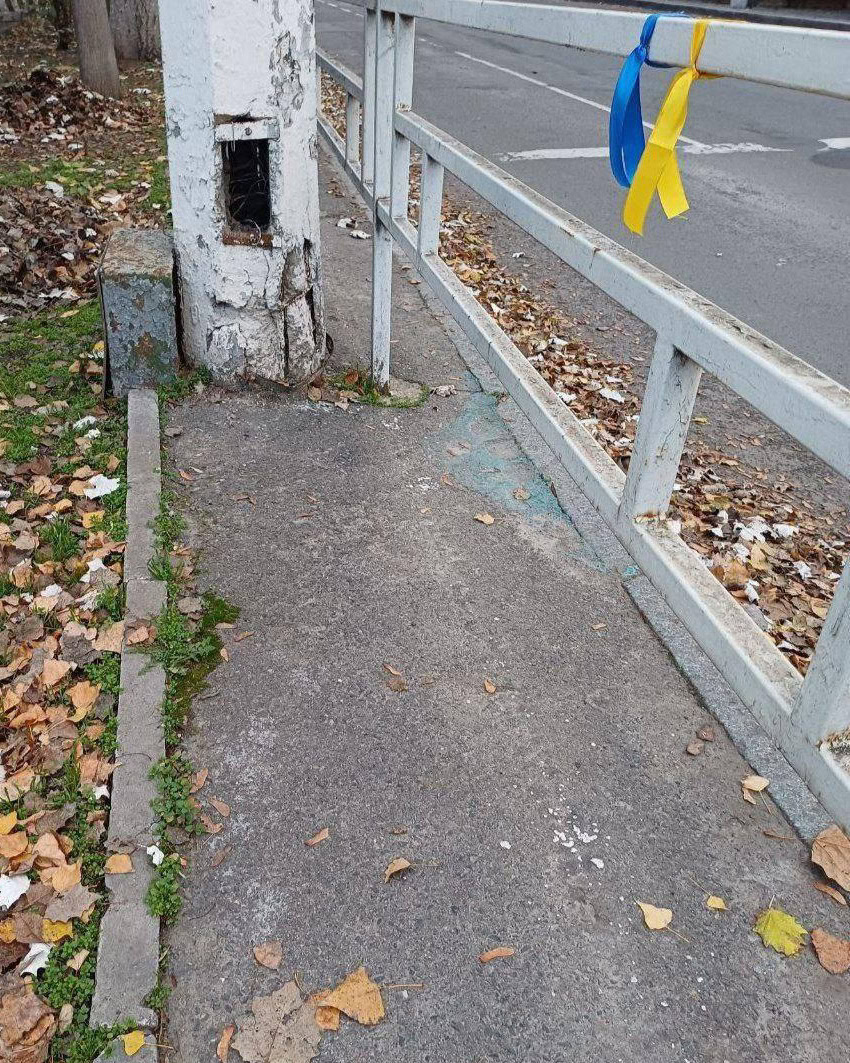
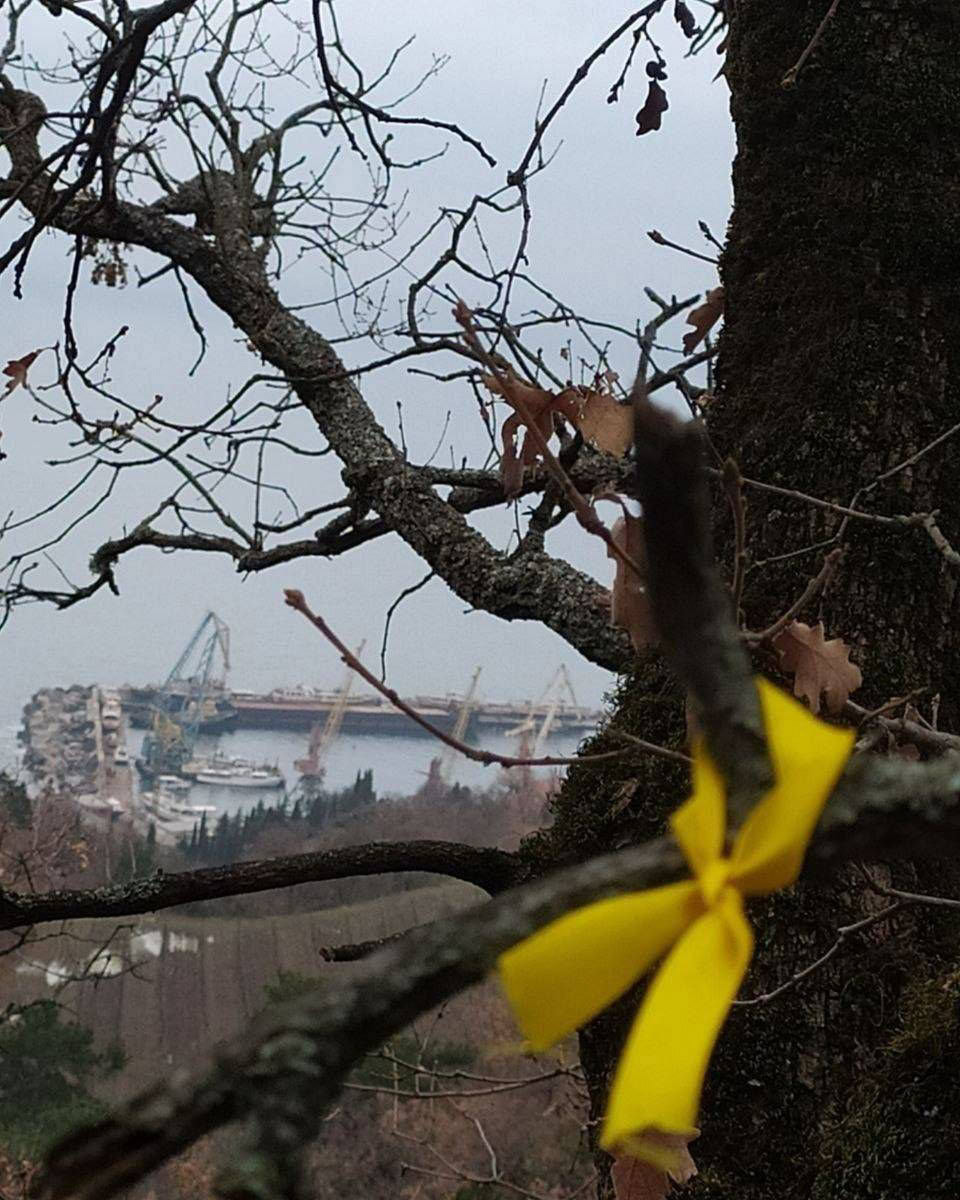
Russia’s full-scale invasion in 2022 brought increased pressure on resistance networks in Crimea. Direct travel links to the mainland were cut. The resistance, however, did not disappear. It remains visible through the work of Crimean Solidarity and underground movements including Yellow Ribbon and Atesh, which continue to signal that Crimea is Ukraine.
What keeps me going
2025. I am a veteran and a war reporter. The full-scale invasion grinds on as experts argue over whether the Russia-Ukraine war could expand into World War III. Belief in miracles and a kind world has faded. The once-popular promise of “coffee in Crimea” has turned out to be a myth. Instead, I place my faith in Ukraine’s Defense Forces, which continue to achieve what once seemed impossible. Videos of explosions in Crimea have become the best accompaniment to my morning coffee. At the same time, I catch myself searching for familiar notes — a landscape that almost matches, a smell that recalls Crimea, an atmosphere that feels close. These memories remain a wound that has not healed. Even if the peninsula is returned in the near future, reclaiming it will require more than physical control. It will take enormous effort to undo years of Russian propaganda embedded in everyday thinking.
The hair clip spelling the word ‘Love’, which my mother bought on our first visit, is still with me. It reminds me of something that has sustained me all these years and helped me move forward. Of what Crimea came to mean to me — a source of strength that fueled me like energy, year after year. Of something that, in the end, wins out. Crimea’s history stretches back far beyond our time. It has endured more than one invading horde even before the Common Era. It will endure this one, too, and remain itself, an island of hot steppe air, harsh winds and storms, of cliffs and a sea that does not tolerate disrespect. And also, of love.