
-

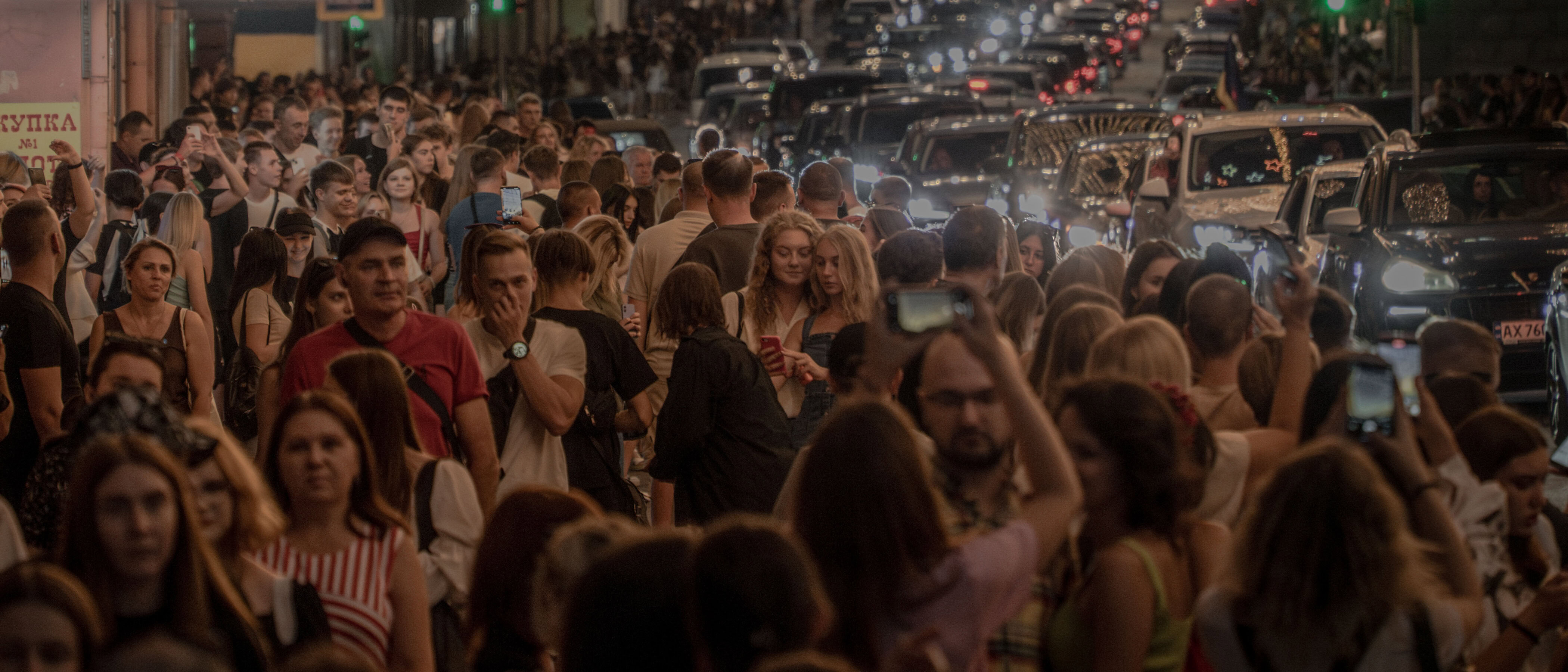
‘I saw death up close for the first time’: Kherson through the eyes of a Frontliner journalist
Kherson now lives under constant Russian first-person view (FPV) drone attacks that target both public transportation and local residents. Frontliner journalist Ruslana Sushko spent several days in the frontline city and witnessed how death became a part of everyday life.
-
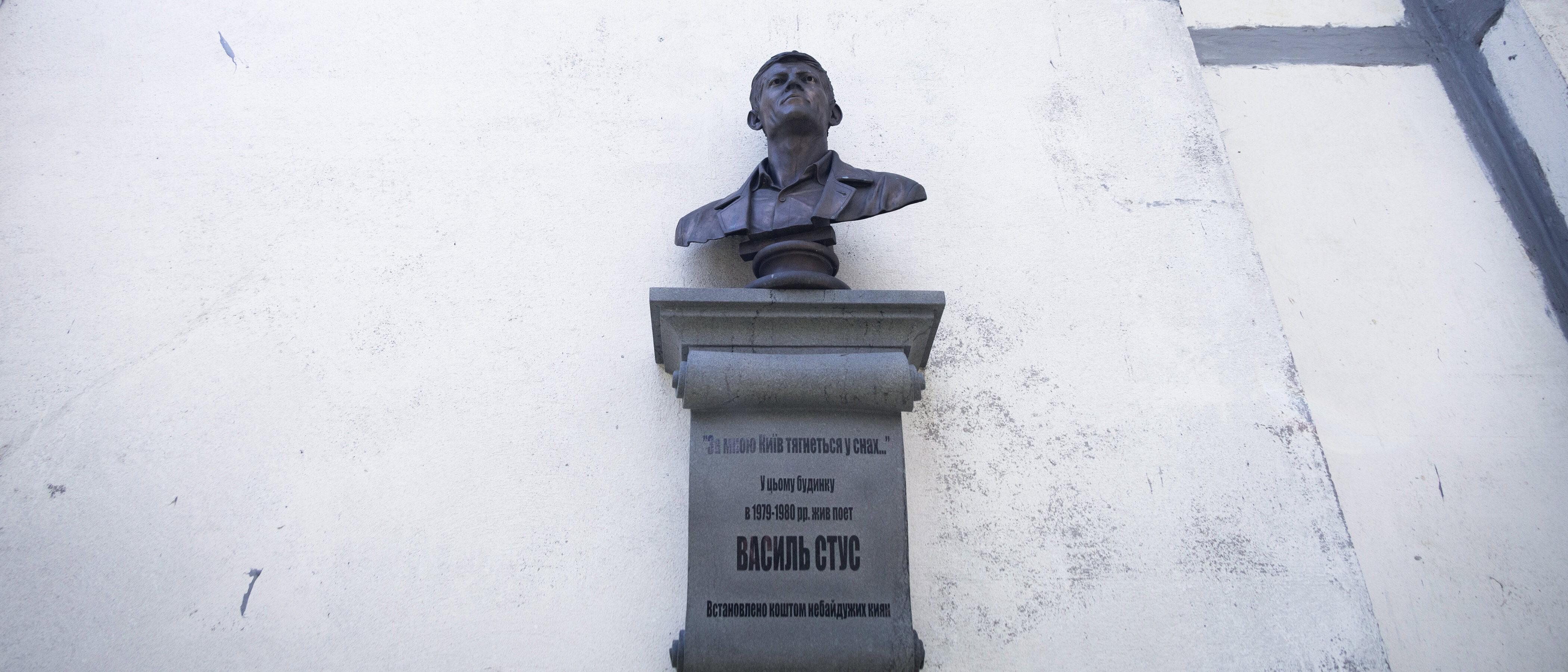
My neighbor Stus
War rolls over people like a steamroller, regardless of profession, worldview, or strength of conviction. A Frontliner reporter reflects on the losses of the past and the present.
-

When Ukrainians do not talk about the war, Russians do
Members of the Frontliner team attended the world’s largest journalism festival. Our reporter shares her impressions and reflects on why it is important for Ukrainians to be present at such international events.
-
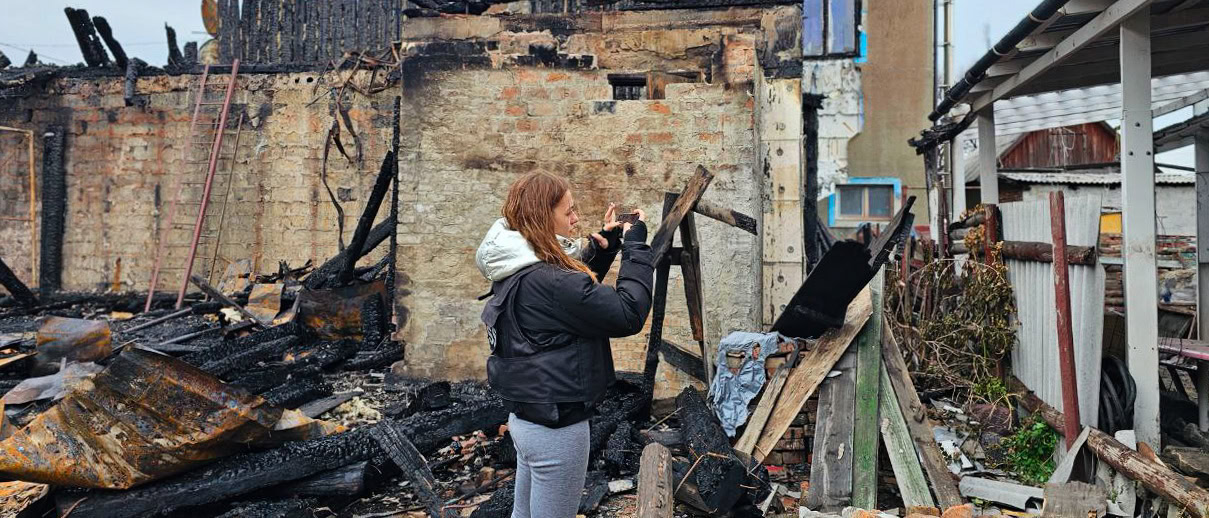
War reporting is like a toxic relationship: you either stay despite everything, or you leave
A childhood curiosity about her veteran uncle’s silence grew into a professional mission to reveal the true cost of war, even when that understanding becomes hard to bear. Frontliner reporter Alina Yevych explores what drove her to witness the war firsthand.
-
From the Faculty of History to human stories: Why journalism?
Journalism allows you to look behind the scenes of various occupations and into the lives of people you likely would never have met if it were not for the job.
-
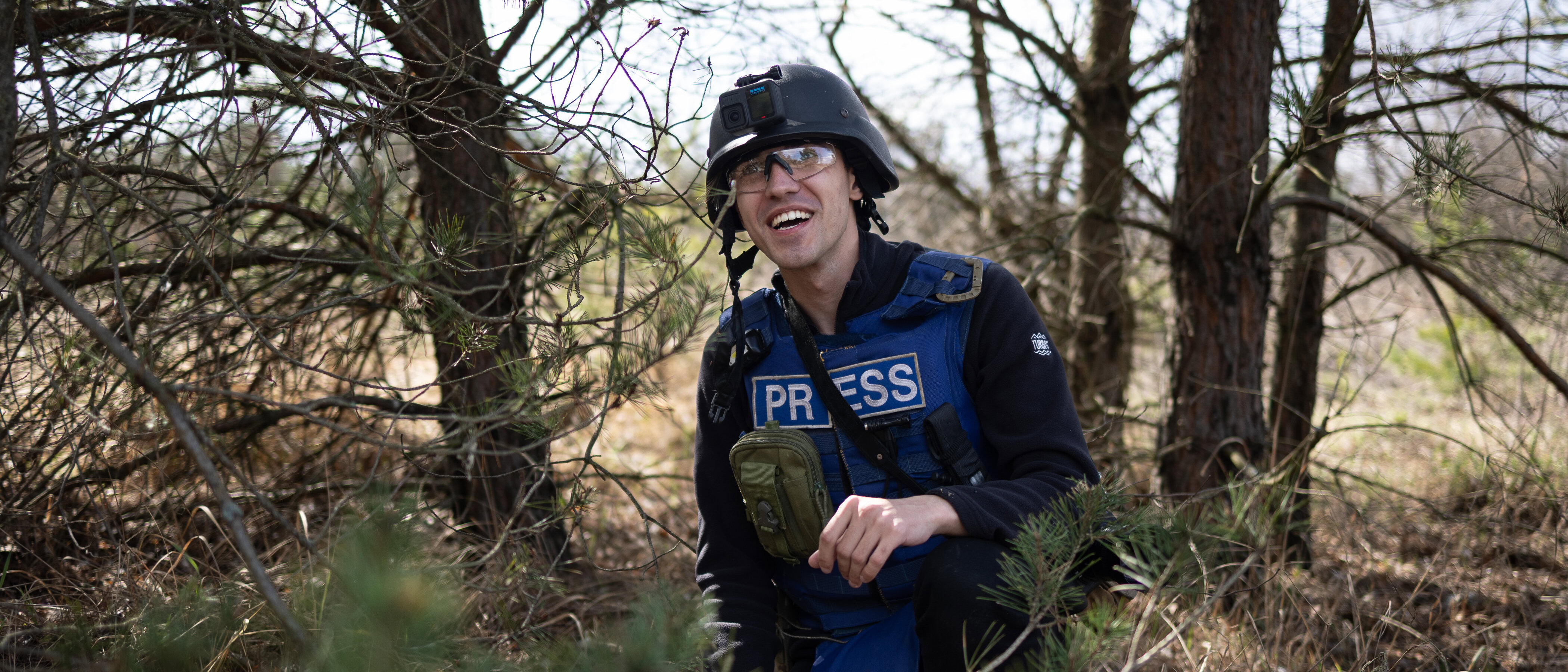
‘There is nothing else I know how to do’: a journey from Bakhmut to journalism
Frontliner reporter Artem Derkachov shares how his childhood dreams of working in media transformed into his lifetime career.
-
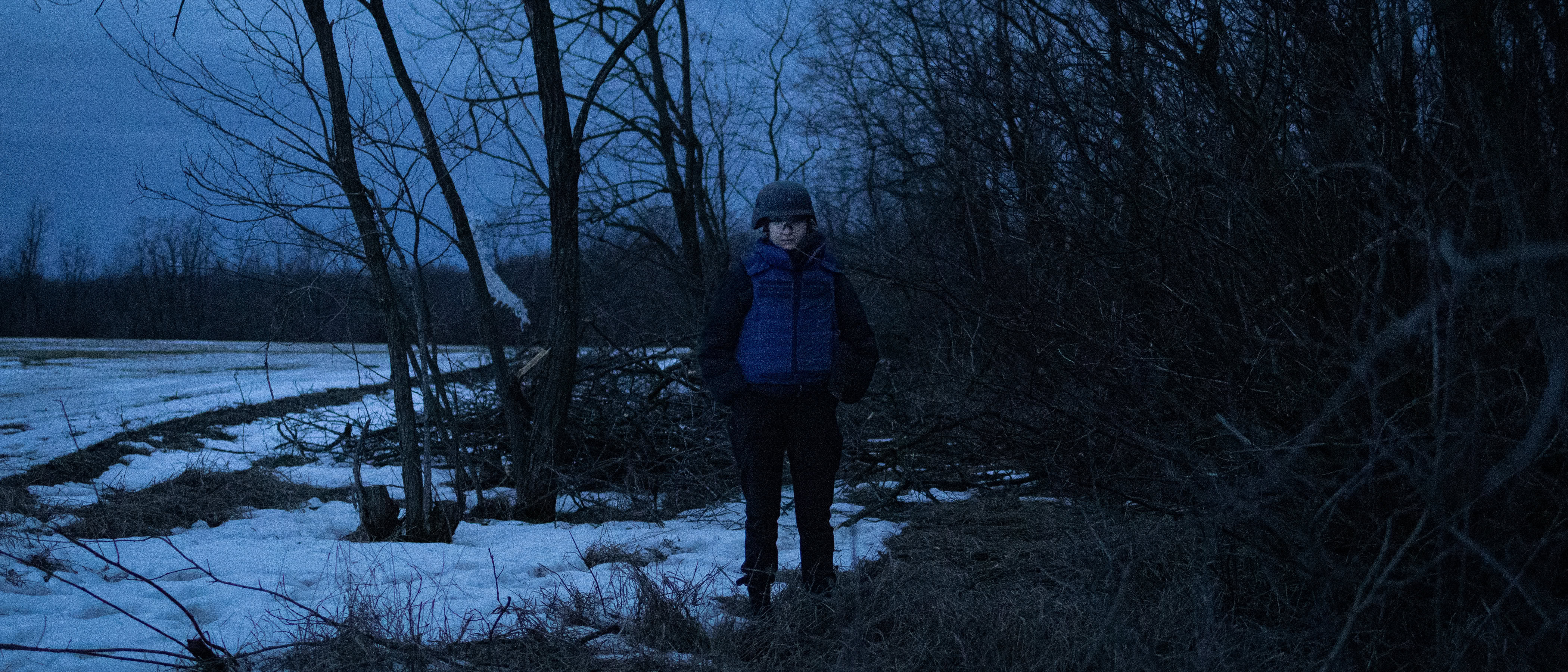
‘To share silence with a hero’: Frontline assignments have changed a journalist’s understanding of her profession
Trips to the front marked the turning point, after which journalism stopped being merely the handling of information and became the work of bearing witness, says Frontliner reporter Ruslana Sushko.
-
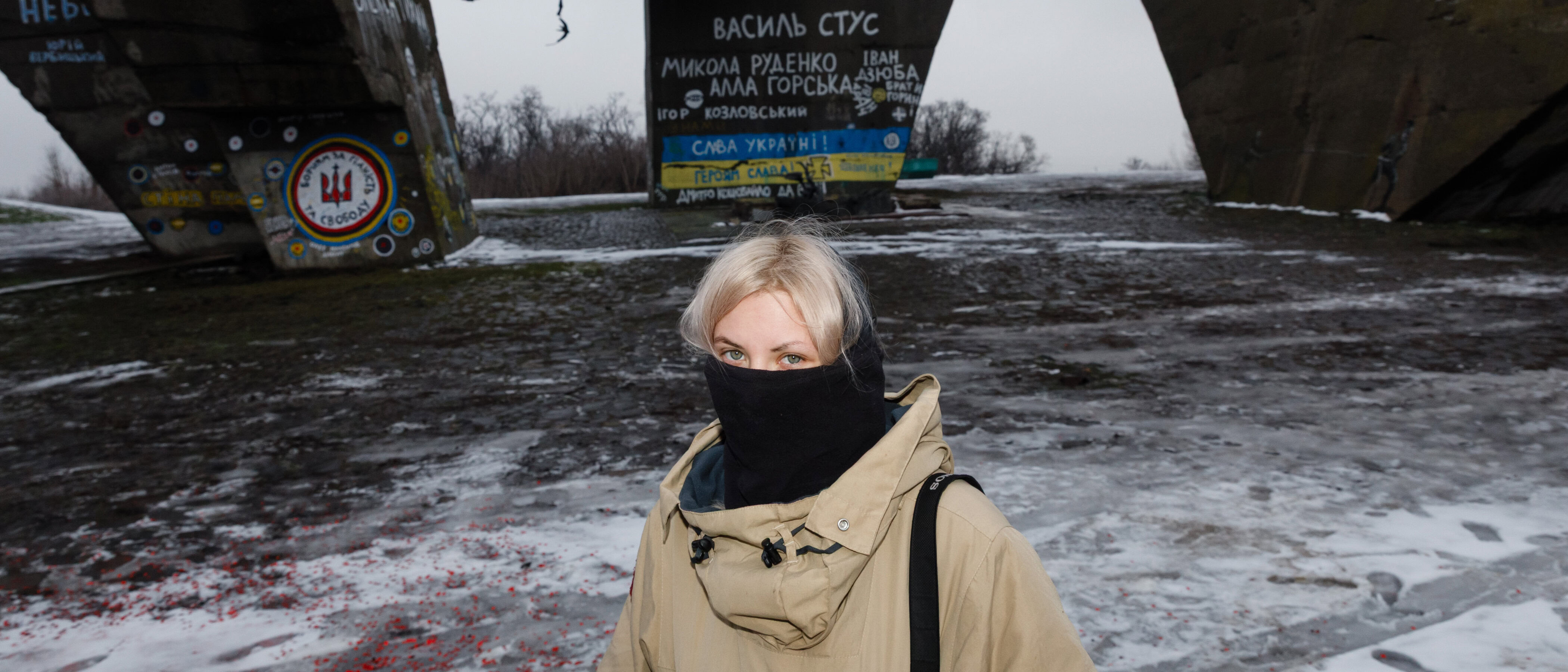
A war that won’t fit on a phone screen: one Gen Zer’s journey to reporting
Anxious Gen Zers are willing to risk their lives to witness the realities of war. Frontliner journalist Marharyta Fal tells the story of how her desire to understand the war took her from the relative safety of Poltava to reporting from the front lines.
-
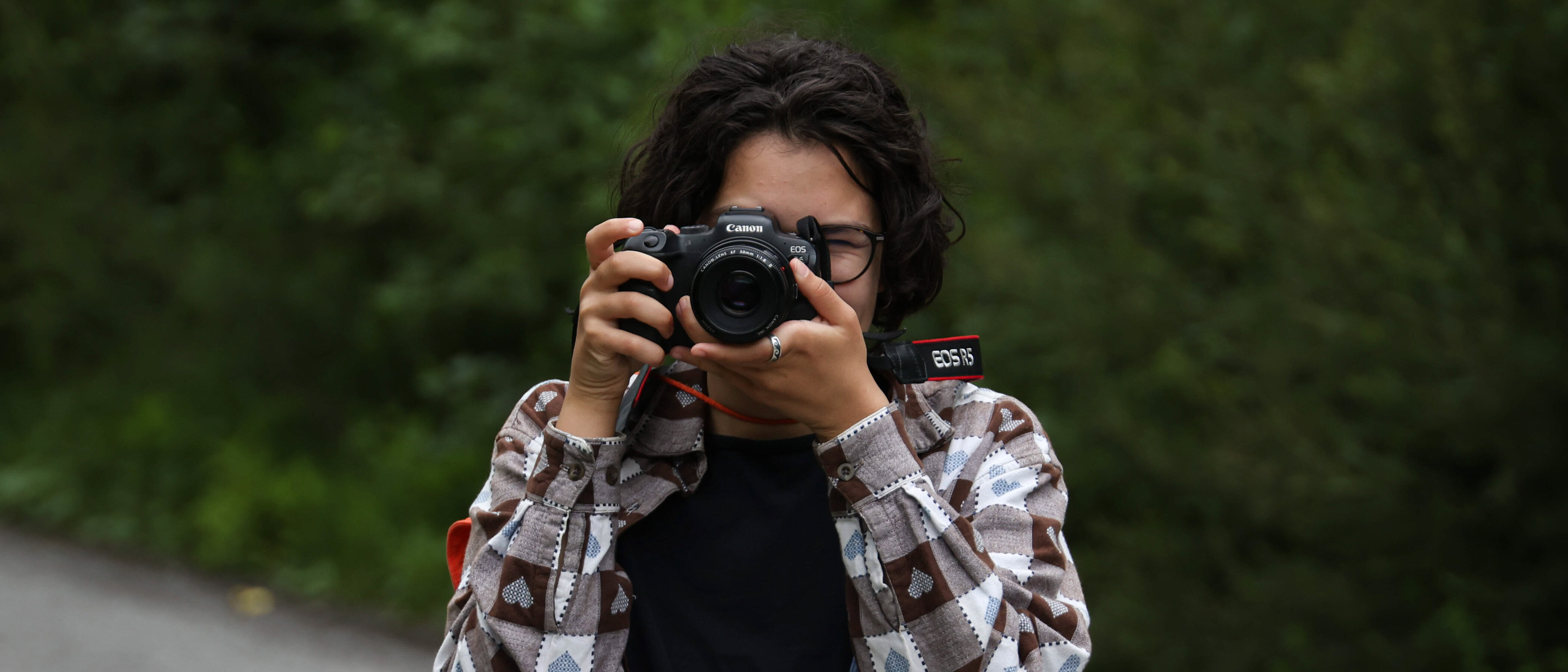
Journalism is a calling you carry with you for life
If journalism is truly your calling, you know it almost immediately. Frontliner reporter Diana Deliurman shares how her search for purpose led her to adulthood and eventually to war reporting.
-
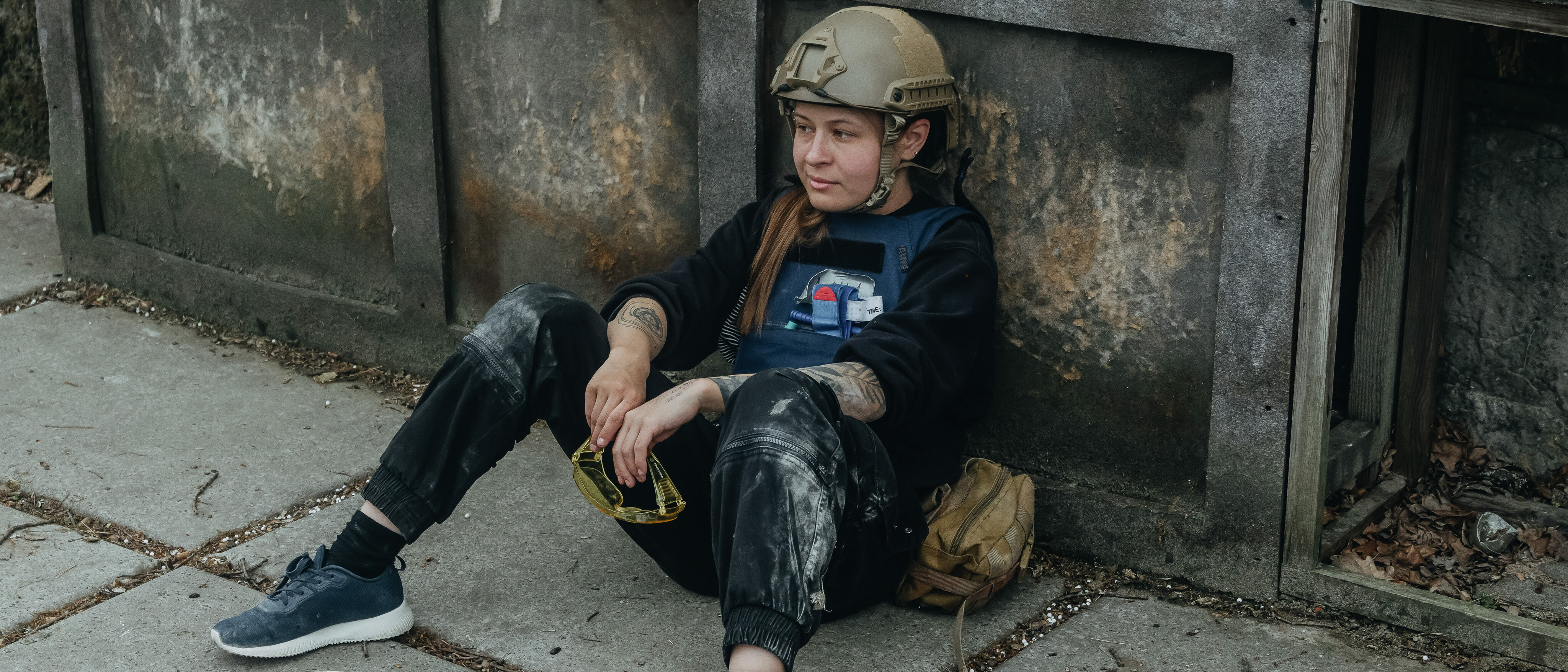
Journalism as a pass: navigating a world where pragmatism meets the miraculous
Curiosity brings many into journalism, a field that irrevocably changes one’s priorities and daily rhythm. Working closely with people means navigating the space between tragedy and triumph: the deep immersion in pain and grief, and the witnessing of man-made miracles.
