Bakhmut – once a city of roses, now a fortress
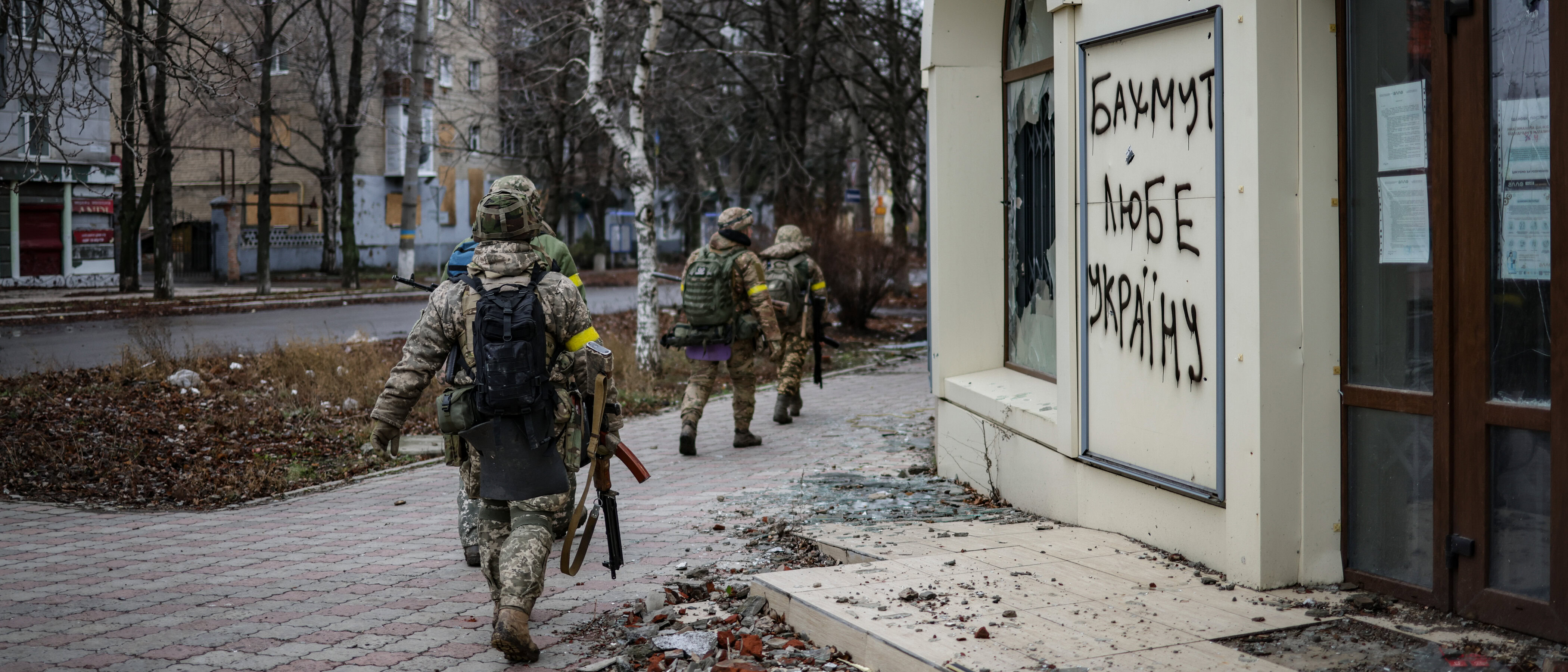
A city that once knew peace and beauty has become known around the world as a symbol of war and resilience. The previously peaceful streets of Bakhmut, lined with rose alleys, now echo with the constant rumble of shelling. Russian occupiers have destroyed homes, traditions and lives. Only memories remain. Frontliner reporter Artem Derkachov traces Bakhmut’s transformation from a modest Soviet town into a fortress defined by Ukrainian identity.
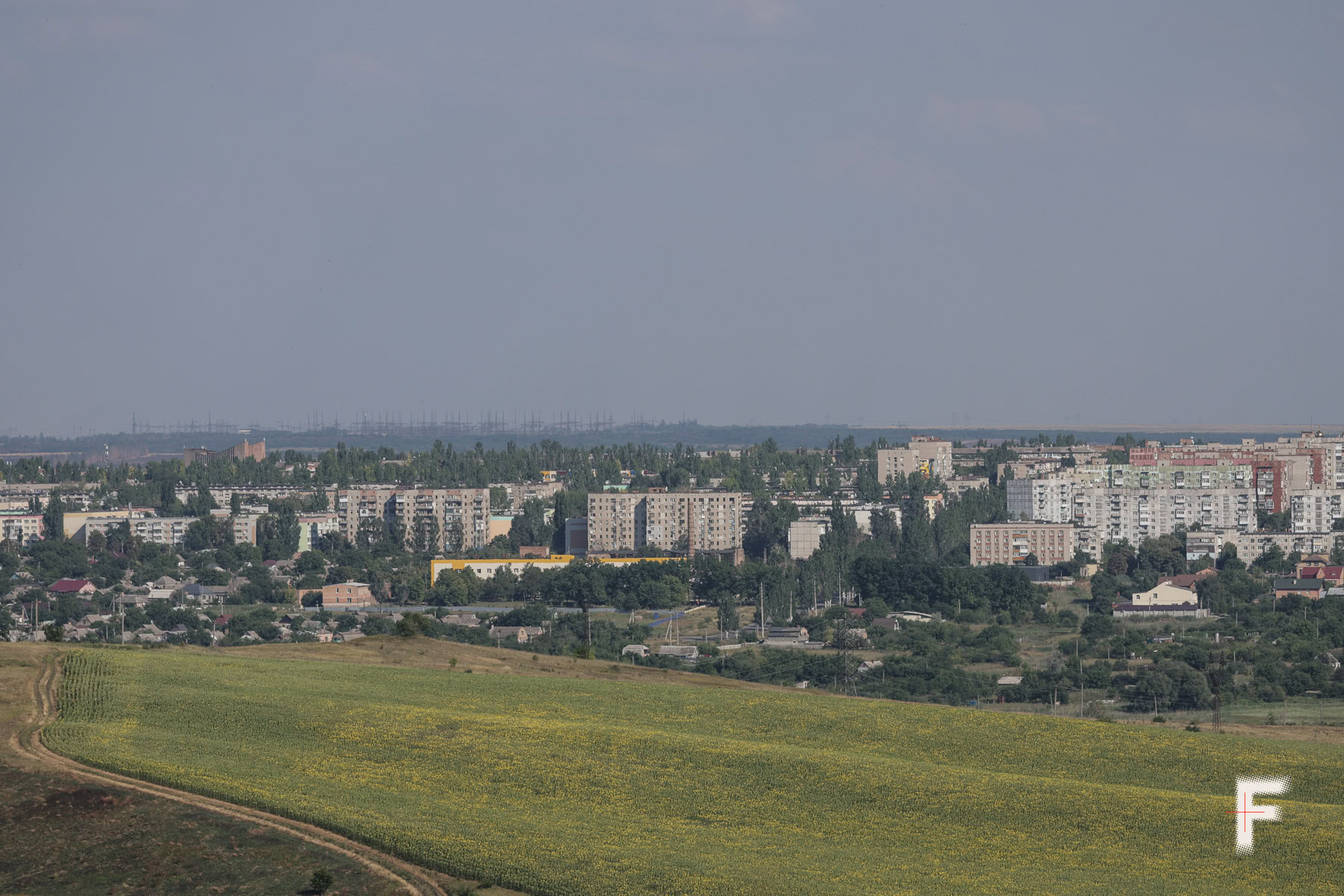
Bakhmut saw many of its young people leave, not because life was difficult, but because they wanted more. Yet there was always the thought that “you could return at any moment.” When I was born, it was still Artemivsk – a provincial town and one of the most developed industrial centers in the Donbas, where salt had been mined since the 19th century. It was green and cozy, with rose-lined central streets, residential buildings no taller than ten stories, and well-kept squares. Everyone knew each other, and news traveled faster than it could be printed.
-
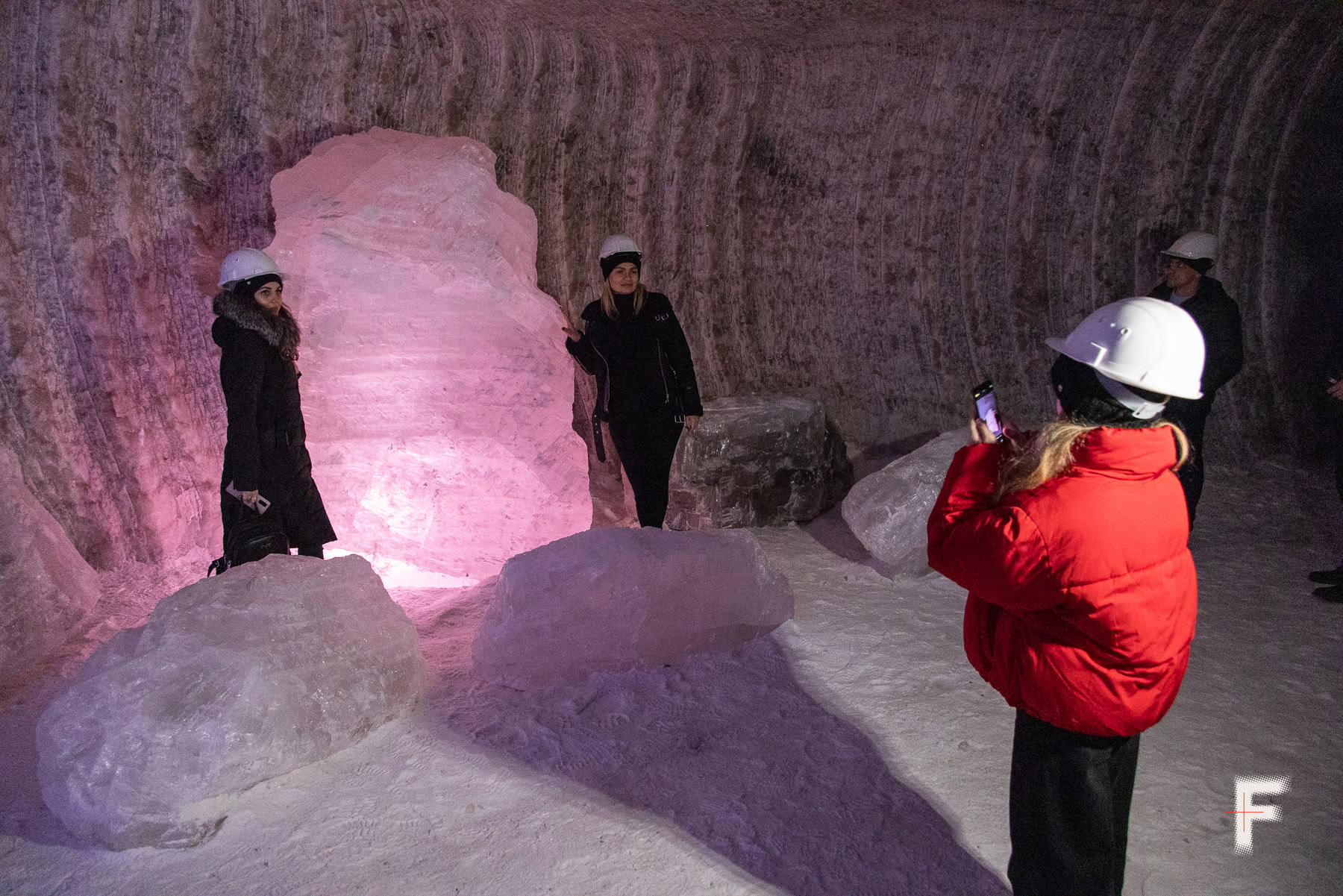
Children from Kharkiv on a school trip to the salt caves at the underground museum of the Artemsil mines near Bakhmut, Donetsk region, Ukraine, Dec. 12, 2021

-
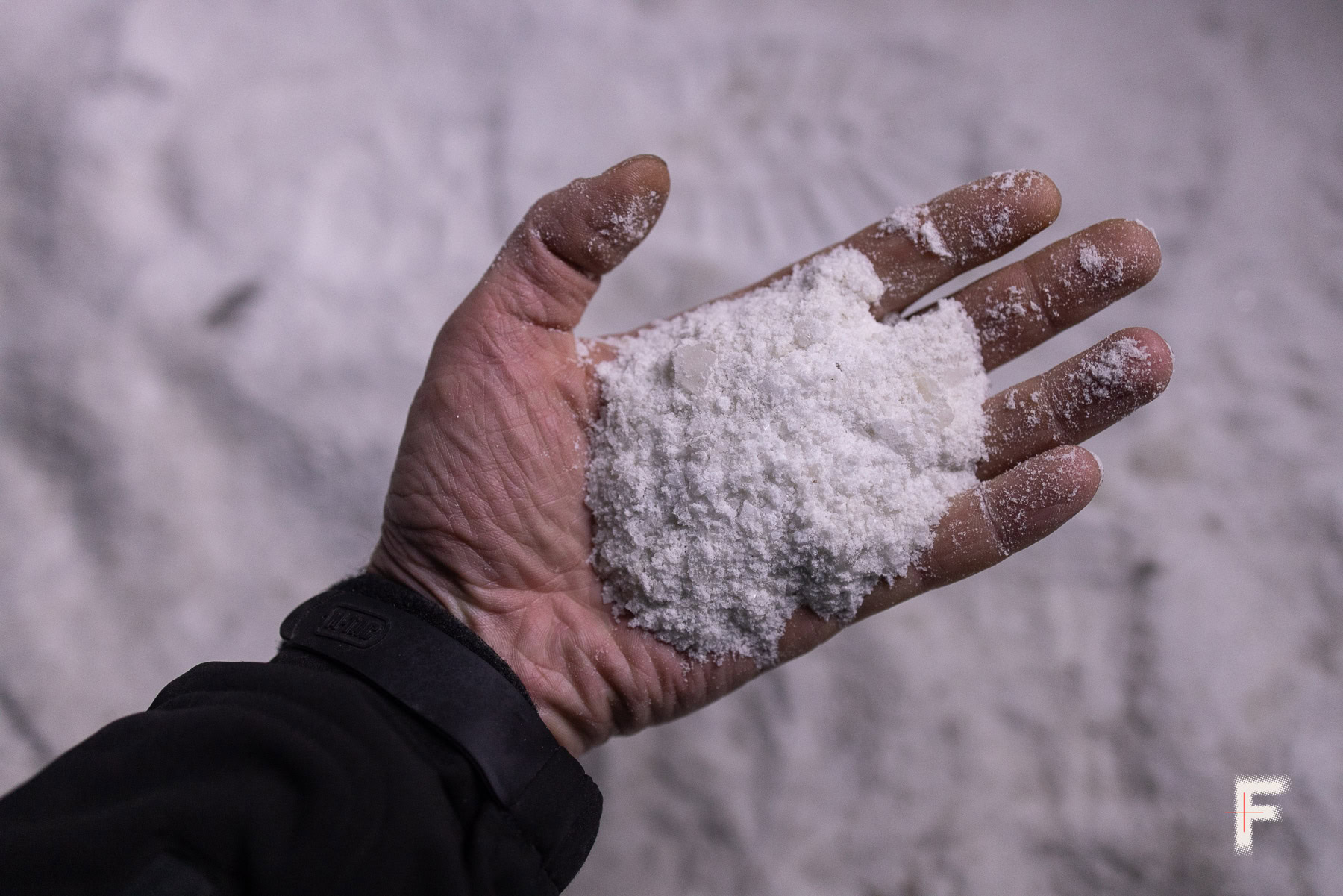
Salt on the floor of a tunnel dug by salt-mining machines at the Artemsil mines near Bakhmut, Donetsk region, Ukraine, Dec. 12, 2021.
A place where everyone knew every corner
Artemivsk had its own geography, understood only by locals. The “Center” district – with its market, the large, booming clock on the House of Culture, and a constant line at the coffee kiosks. “Zabakhmutka” – home to the Artemivsk sparkling wine factory and its signature factory store. The “New Market” – a neighborhood of new housing developments and shops. “Buhor” – a high-crime area that the military would later refer to as the Litachok district during the full-scale war. And finally, my home, “Posiolok,” with its Heart Monument, benches beneath chestnut trees, and the famous rose-lined alley.
2014: the first shots
I was 12 years old at the time. Television screens were filled with images from Kyiv’s Independence Square, while in Artemivsk, street arguments flared over who was really in the right. That was when I first began to notice the dominance of Russian narratives among local residents – and a desire to be closer to Russia. That was unsurprising. At the time, it was rare to meet someone who spoke Ukrainian in everyday life or consumed Ukrainian-language content. Store names, signs, and advertising were all in Russian. Even New Year’s Eve in Artemivsk was not celebrated according to Kyiv time. On New Year’s night, celebrations began at eleven in many homes – the “proper” time, meaning Moscow time. It seemed like a small detail, but it revealed how differently people perceived events unfolding a few hundred kilometers away.
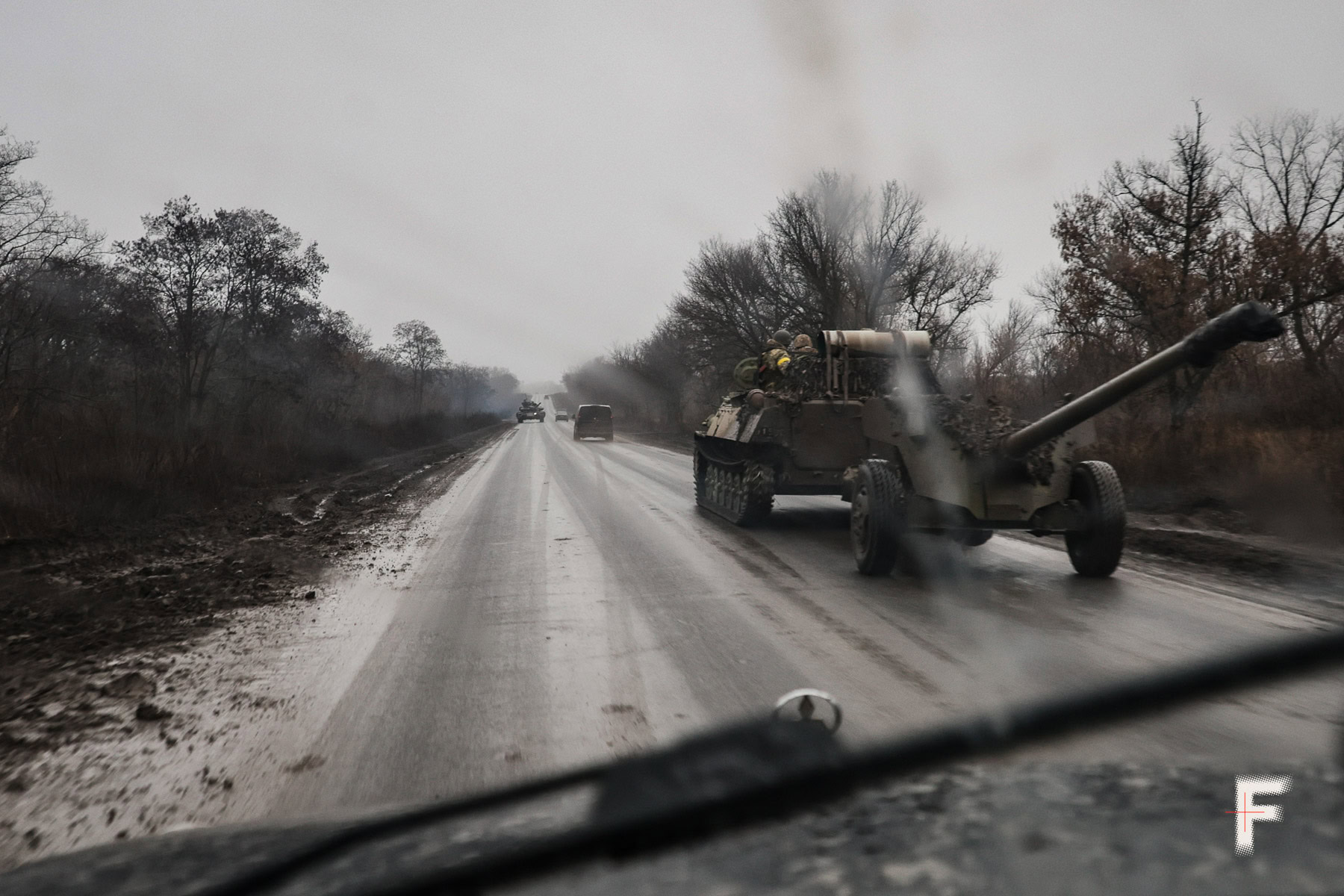
Not long after the events in Kyiv, the east heard its first shots. It seemed that Artemivsk was spared – the war was passing it by. The fighting was not happening in the city, or even on its outskirts, but in the surrounding towns and villages. One morning, as I was getting ready for school, my mother took me into the bathroom and it was the first time I heard gunfire and explosions. It would later be known that this was the day Russian-backed separatists occupied the city hall in Artemivsk. And the news reported that on April 12, 2014, the building had been taken over by Russian occupation forces. In reality, my family barely noticed the occupation. Two days later, everything returned to its usual rhythm – I went back to school and my parents returned to work. The occupation didn’t last long. In July 2014, Ukrainian forces regained control of the city, and the Ukrainian flag once again flew over city hall. Heavy equipment, soldiers in uniform, and checkpoints at the city’s entrances quickly became a familiar part of the urban landscape.
Reclaiming identity
From 2015 to 2020, Bakhmut underwent profound changes – both outwardly and within. It was the time when I was finishing school and dreaming about the future. In 2016, Artemivsk officially restored its historical name – Bakhmut. This marked the beginning of a revival of national identity and pride, a major step toward gradually moving beyond Russian and Soviet cultural influences. The streets began to fill with Ukrainian names, and shop and institution signs switched to the national language. Ukrainian flags appeared on every pole, and Soviet symbols disappeared from school assembly halls. The national language was used in customer service, and even in cafes and shops, visitors often heard greetings and questions in it. But not everyone welcomed these changes. Some people were unable or unwilling to use Ukrainian, and some even quit their jobs to avoid speaking the state language. They saw it as an imposition that disrupted their accustomed way of life.
Roses, sparkling wine, and a sense of home
Artemivsk sparkling wine – a city hallmark – was also undergoing a transformation. The annexation of Crimea cut off part of the vineyards, forcing the factory to seek new sources of grapes. This affected the taste of the sparkling wines and also made them less common on Ukrainian tables. Yet despite these challenges, the factory continued to operate.
Alongside these changes, Bakhmut began to flourish. Parks were renovated and new squares and green spaces appeared. The roses became a particular source of pride, decorating streets, plazas, and parks, creating a unique atmosphere. Bakhmut was transforming into a cultural hub of Donetsk, hosting festivals, exhibitions, fairs, and other events that brought the community together. The city was gradually becoming more Ukrainian.
2022: Roses under fire
In 2021, I had moved to Kyiv for good. I lived in a temporary residence and looked for work in my field – journalism. Eventually, I landed an internship at one of the city’s regional newsrooms. Just before the New Year, following family tradition, I went to visit my parents in Bakhmut. February 2022 would be the last month I spent in my hometown. When I returned to Kyiv, my editor assigned me to cover a story on the readiness of bomb shelters in case of war. At the time, the topic felt alarming and highly relevant. But I never got to complete one of my first assignments in Kyiv – the full-scale invasion began.
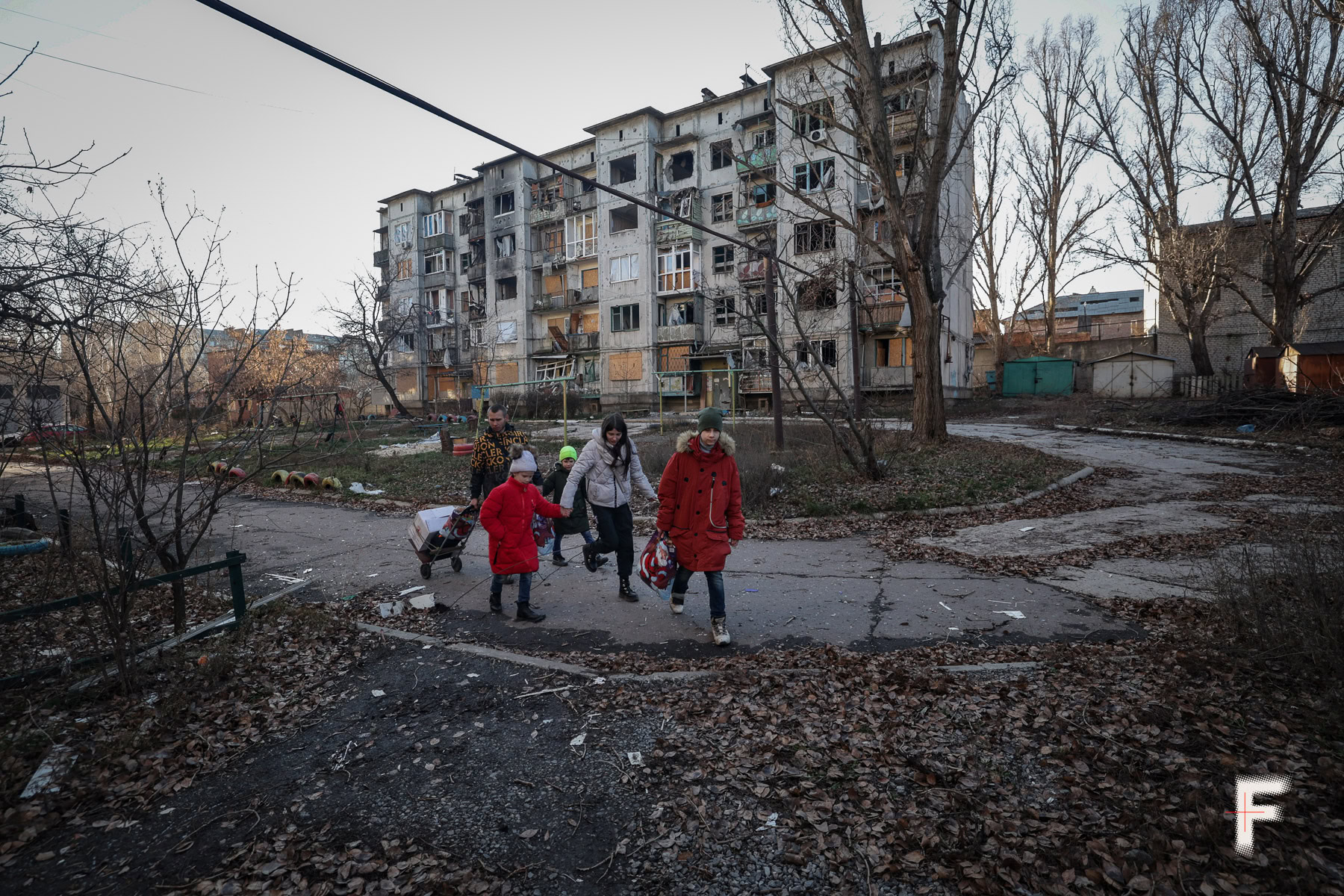
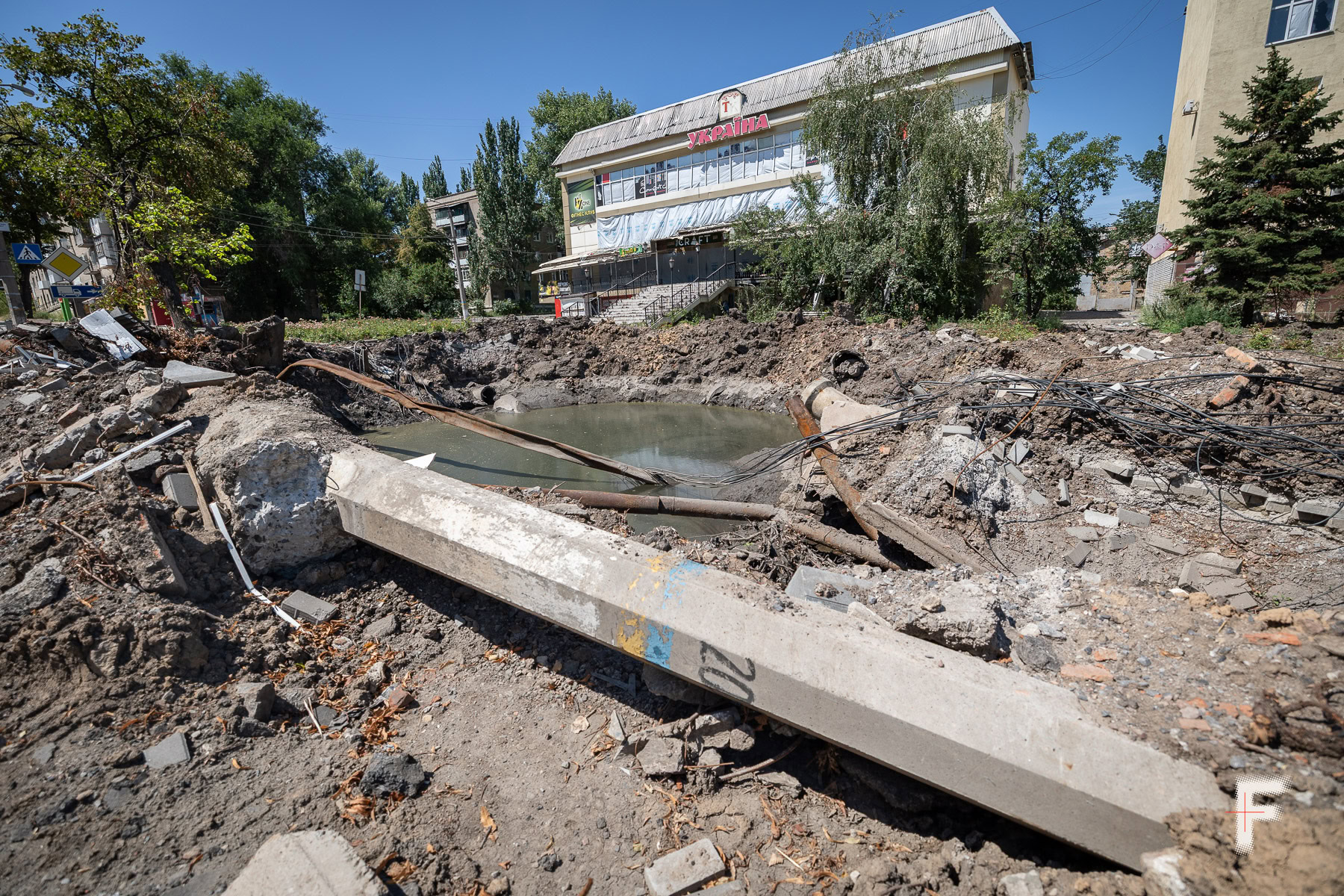
And while we were setting up a bomb shelter in our building, and fighting was already raging on the outskirts of Kyiv, my hometown of Bakhmut was still quiet. My parents believed it would be “like 2014” – a few days of tension, and it would pass. But when the Russians occupied nearby Popasna, it became clear: this war was different. The city was slowly being destroyed – first the explosions shattered windows, then roofs, and soon entire neighborhoods became blackened scars on the city map. Residential buildings, hospitals, schools, and major factories came under the crosshairs of war. The gypsum factory burned down after repeated hits, leaving only concrete arches and a rusted skeleton. The underground cellars, which once stored thousands of bottles of the city’s famed sparkling wine, were turned by the occupiers into a military base – complete with barracks, ammunition depots, and command posts. Bakhmut, once a city of orderly industrial life, was transformed day by day into a battlefield.
A city emptied
Before the full-scale invasion, Bakhmut was home to about 80,000 people, including internally displaced residents who had sought refuge there since 2014. When constant shelling began, most fled – some to Dnipro, others to Kyiv, and my parents to Brovary. Part of Bakhmut Hospital relocated there as well. After the medical staff were evacuated, the Bakhmut Intensive Care Hospital reopened in Brovary, now functioning as a medical and diagnostic center. Dozens of Bakhmut doctors, nurses, and administrators work there – the same people who once treated the wounded and sick in their hometown under fire.
Bakhmut: a fortress
I never imagined that my city would capture the attention of Ukraine, let alone become known around the world. It has become a symbol of a fortress – ruined, yet unbroken, at least in my memory. Bakhmut, once famous for its roses and sparkling wine, is now a symbol of Ukraine’s resilience. But behind this fame lie bitter realities: Bakhmut has become a ghost town, its economy and culture suffering irreparable losses. Even if the war ended today, it would likely take decades to clear the land of mines, remove the remains of destroyed buildings, and restore basic infrastructure. The factories that once defined Bakhmut’s reputation will likely never reopen.
Today, Artemivsk sparkling wine, once a beloved symbol of the city, is produced in Odesa, and its flavor and renown fade a little more with each passing year. Another blow came with the loss of salt: the Artemsil plant, which once supplied much of the country, shut down in May 2022 amid escalating hostilities. Since then, Bakhmut salt has become almost legendary – rare and expensive, a reminder of peaceful times. The loss was felt across the country. People I knew admitted that, for a while after it vanished, dishes came out either over-salted or under-seasoned. It’s hardly surprising – nearly every kitchen once held that familiar white package of salt on the shelf. And those who had built their lives there are now forced to start anew in different parts of the country.
During this time, I, along with other residents of Bakhmut, learned to live differently – with new addresses, new routines, and new dreams. And though each of us longs to return, reality tells a very different story. Yet one dream has stayed with me all along: to come back, walk the streets I once knew as a child, and find something familiar and meaningful amid the ruins of my home. Most of all, it is the dream of feeling at home again, knowing I could return at any moment.