
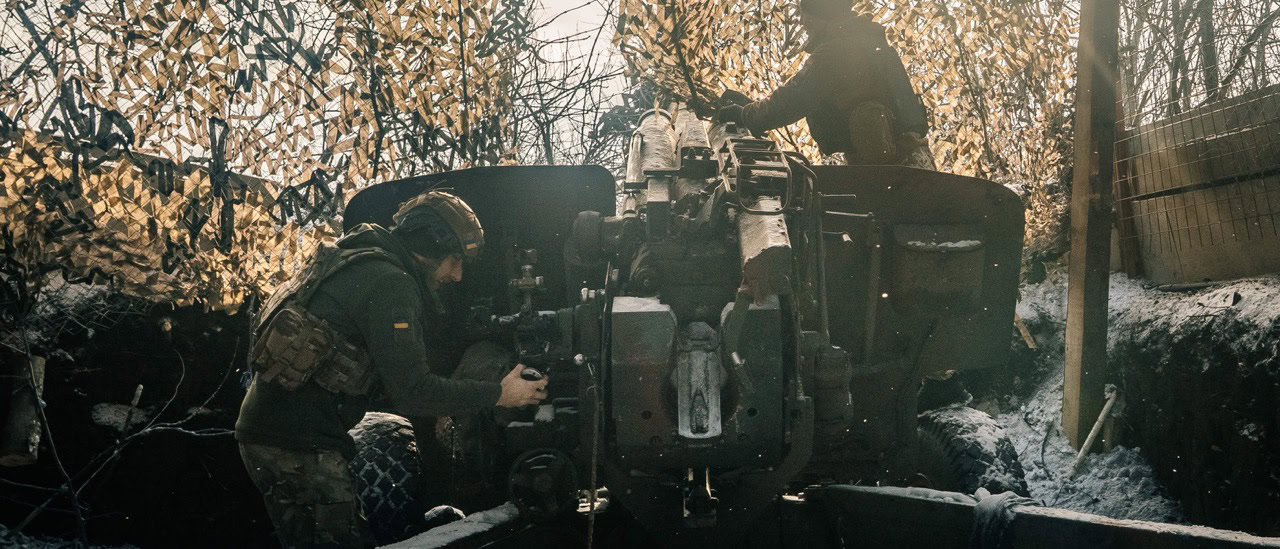
Artillery under drones: holding the Pokrovsk front
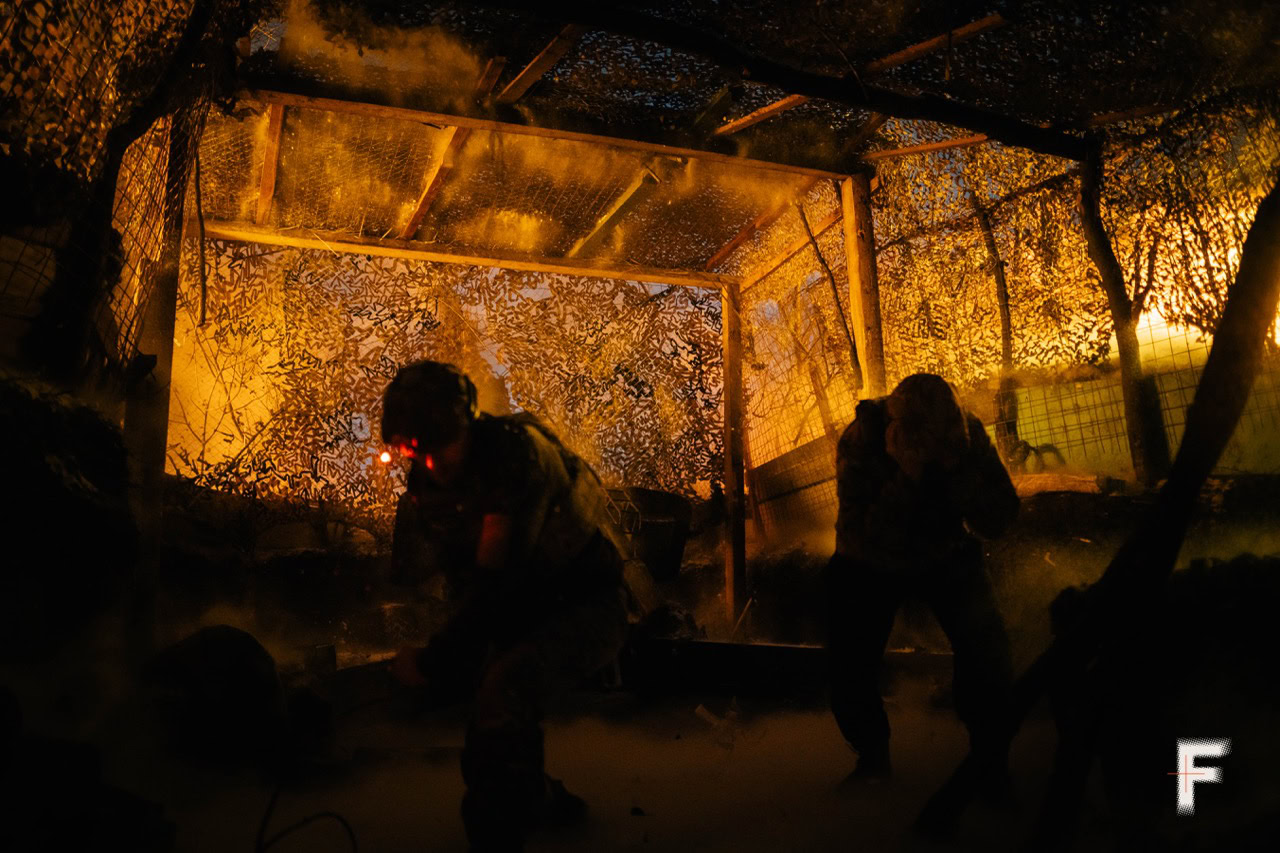
Along the boundary between Ukraine’s Donetsk and Dnipropetrovsk regions, Russian forces continue efforts to push the front line forward. The Pokrovsk sector remains among the most intense areas of fighting, with Russian troops applying pressure through manpower, armored vehicles and drones in attempts to advance meter by meter. Frontliner reports on how Ukrainian artillery operates under these conditions.
Due to the heavy presence of enemy drones, artillery units largely fire from extended distances. In most cases, placing guns even six kilometers from Russian positions risks rapid detection and destruction.
Operating in these conditions, the 152nd Separate Ranger Brigade named after Symon Petliura remains deployed on the Pokrovsk front. Yurii Yevtushok, call sign “Yeher,” commander of the brigade’s 1st self-propelled artillery battery, says the likelihood of hitting a target with the first shot depends heavily on ammunition quality.
He noted that some systems receive mixed shells from different manufacturers, requiring crews to re-zero repeatedly as supplies change. Air temperature also affects accuracy, and concerns over shell quality arise periodically.
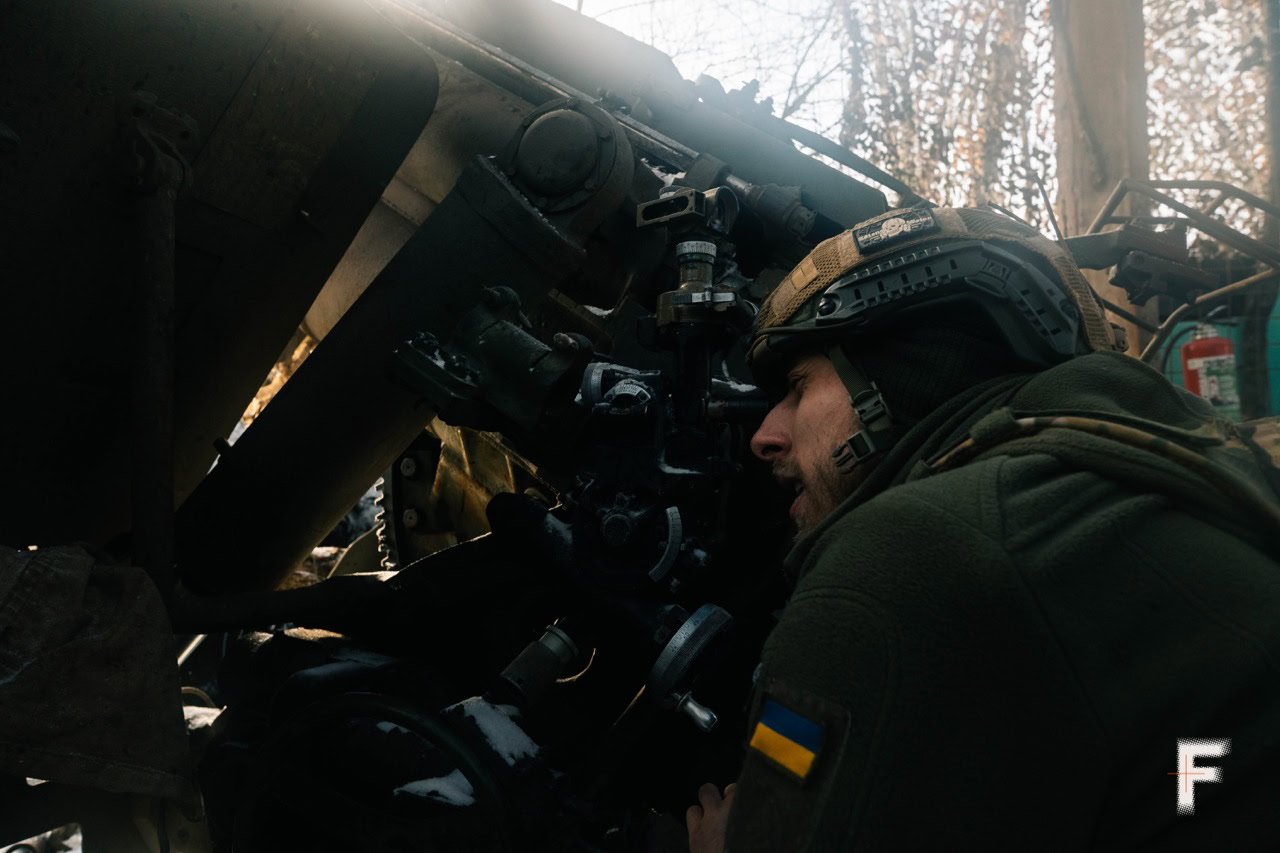
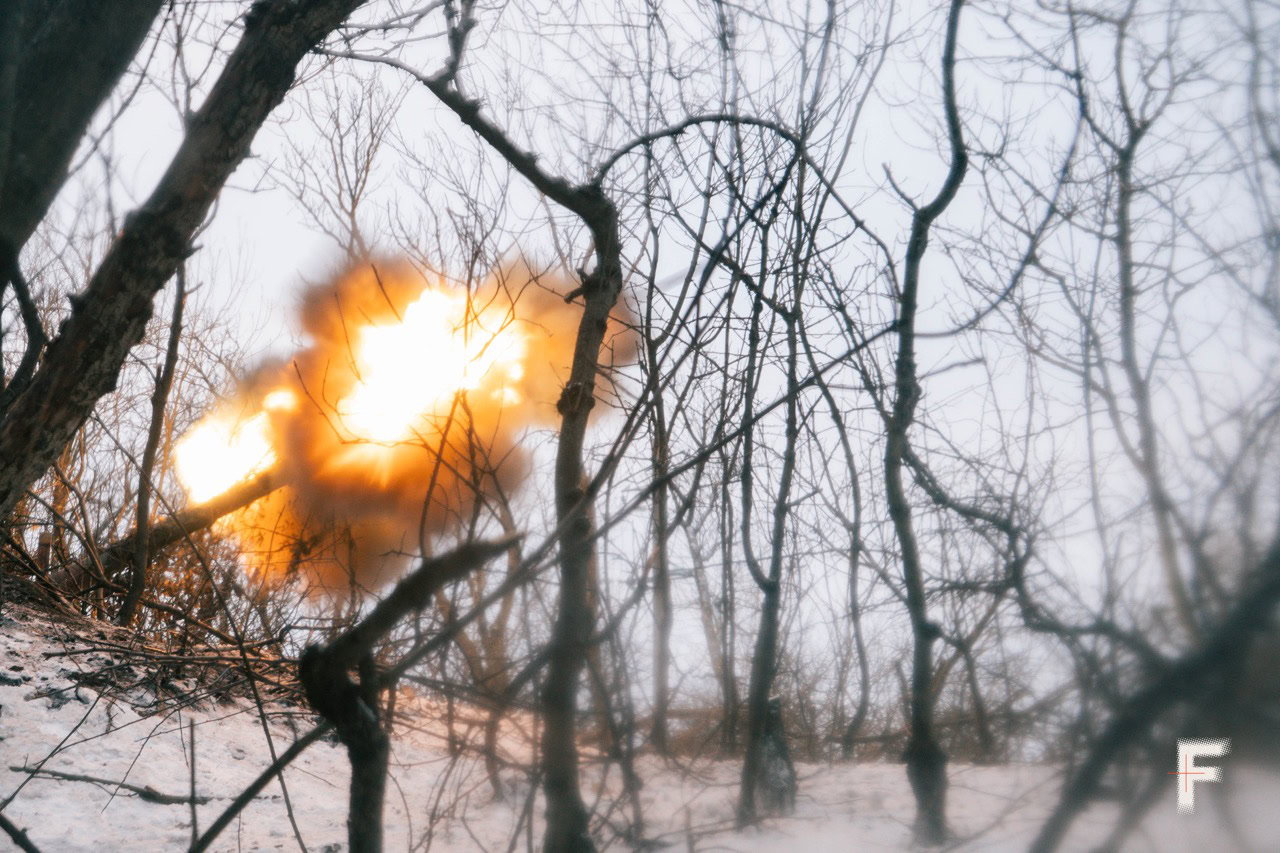
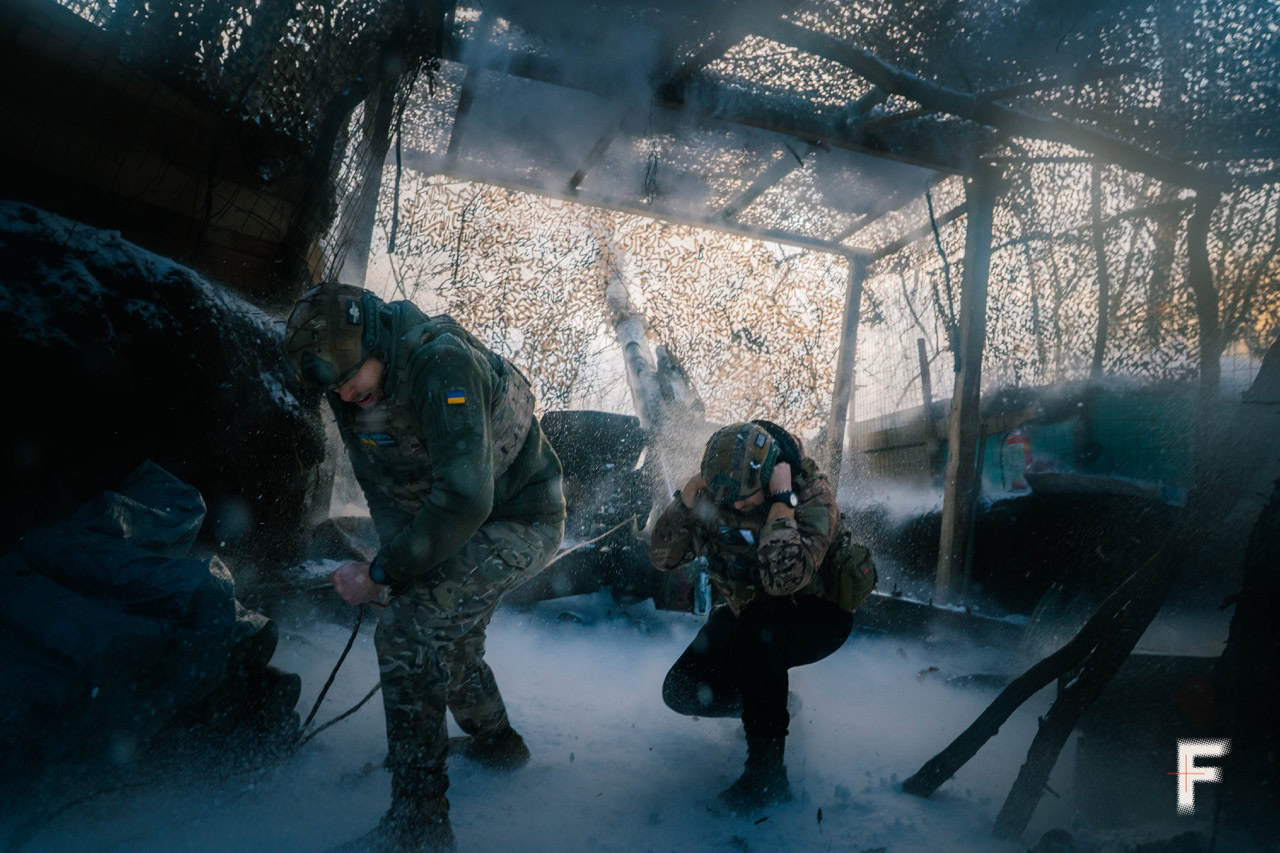
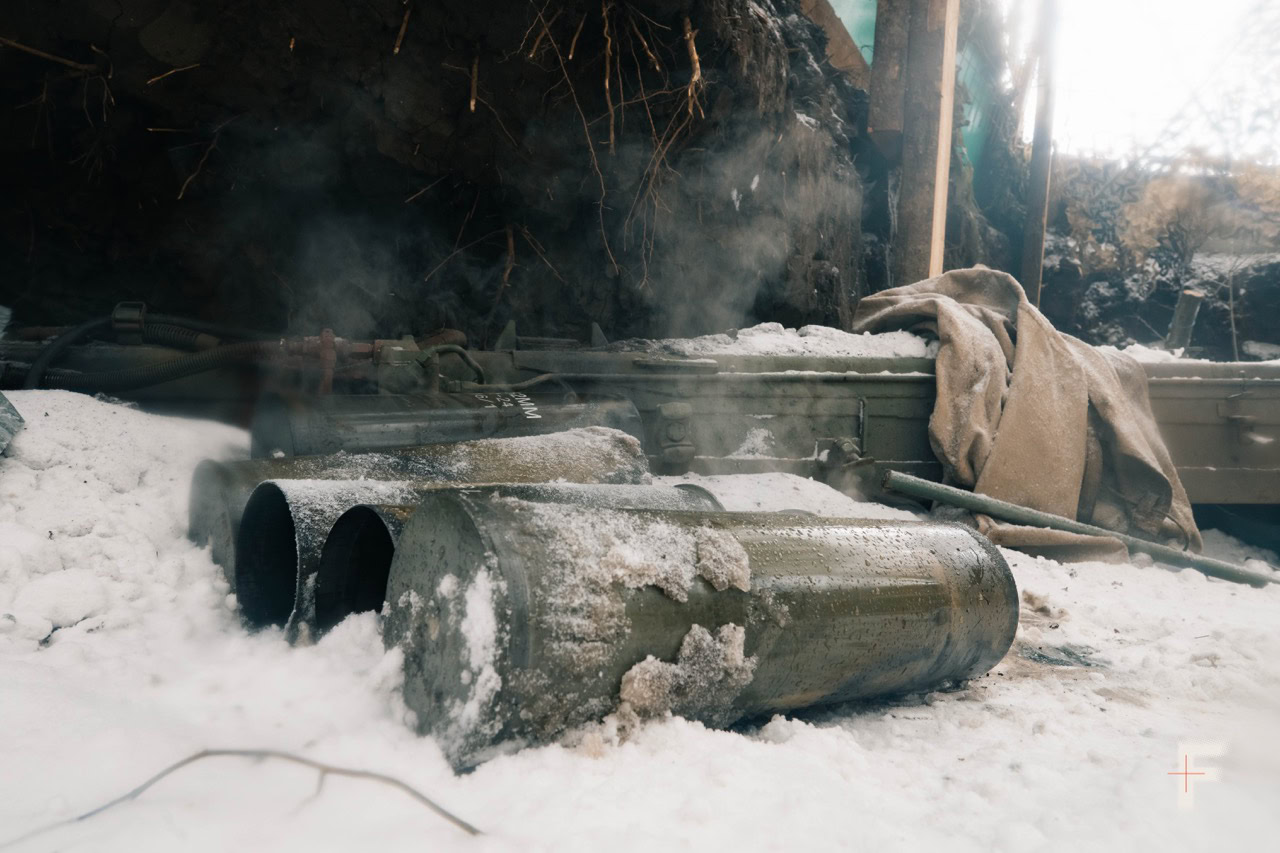
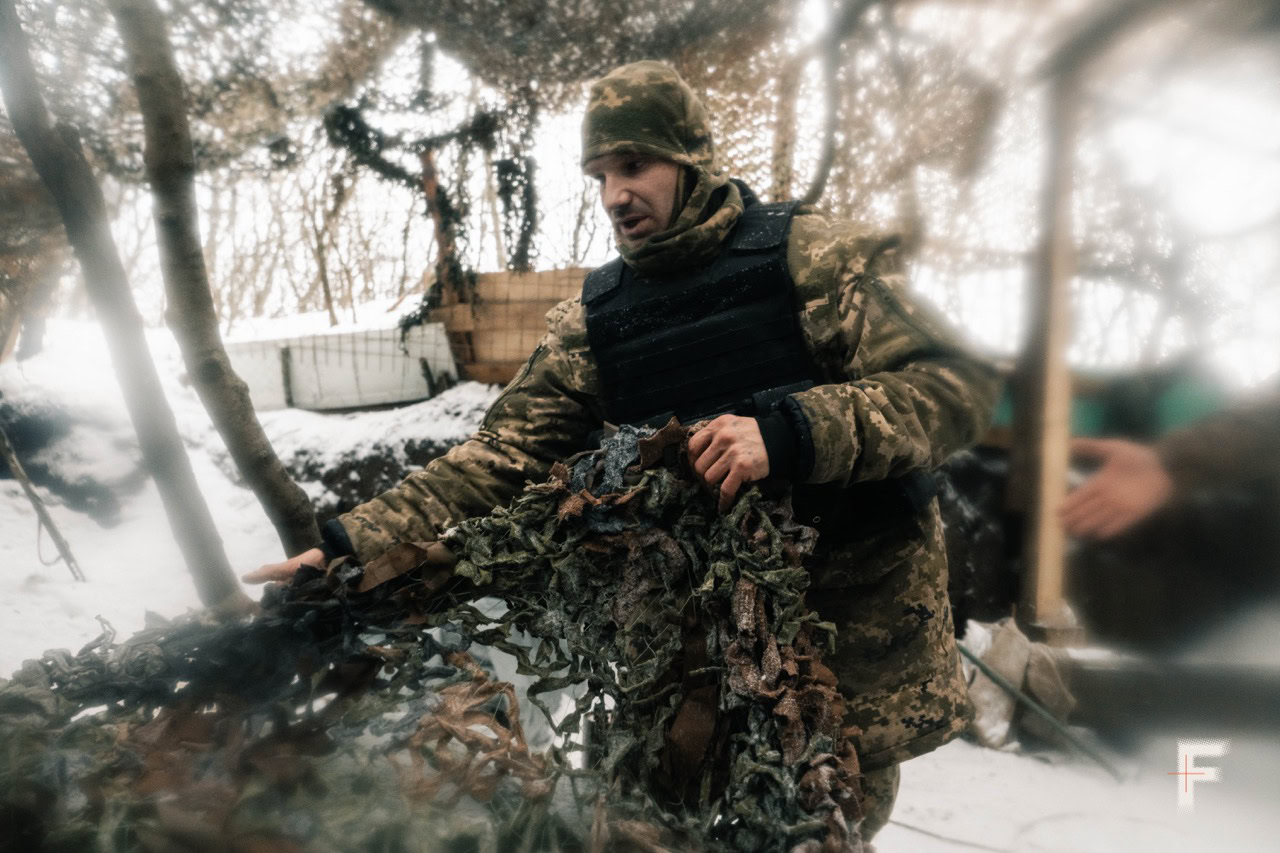
“The most dangerous threat for artillery crews is enemy drones,” Yevtushok said. Burying guns underground has become one of the most effective camouflage methods. However, once a firing position is detected, Russian drone operators continue strikes until they confirm the system has been destroyed.
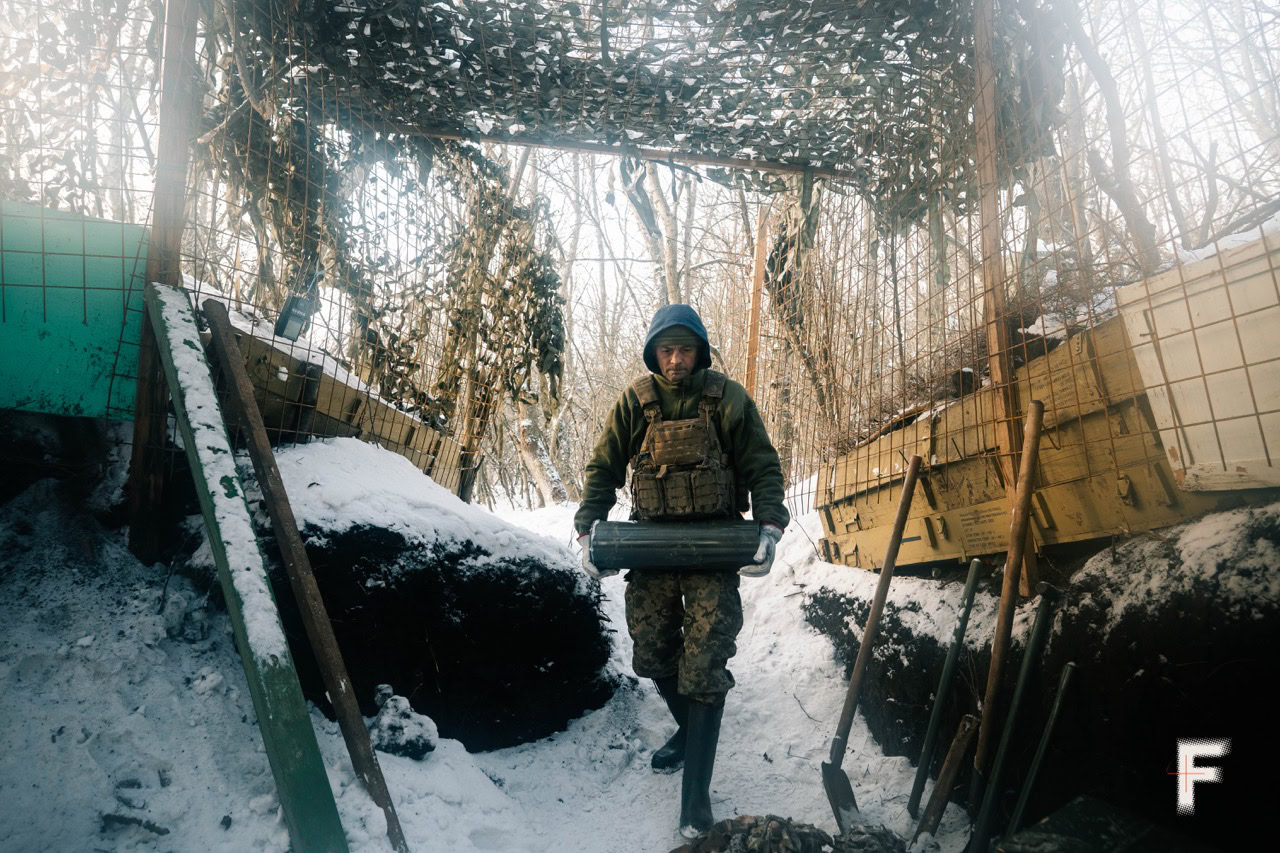
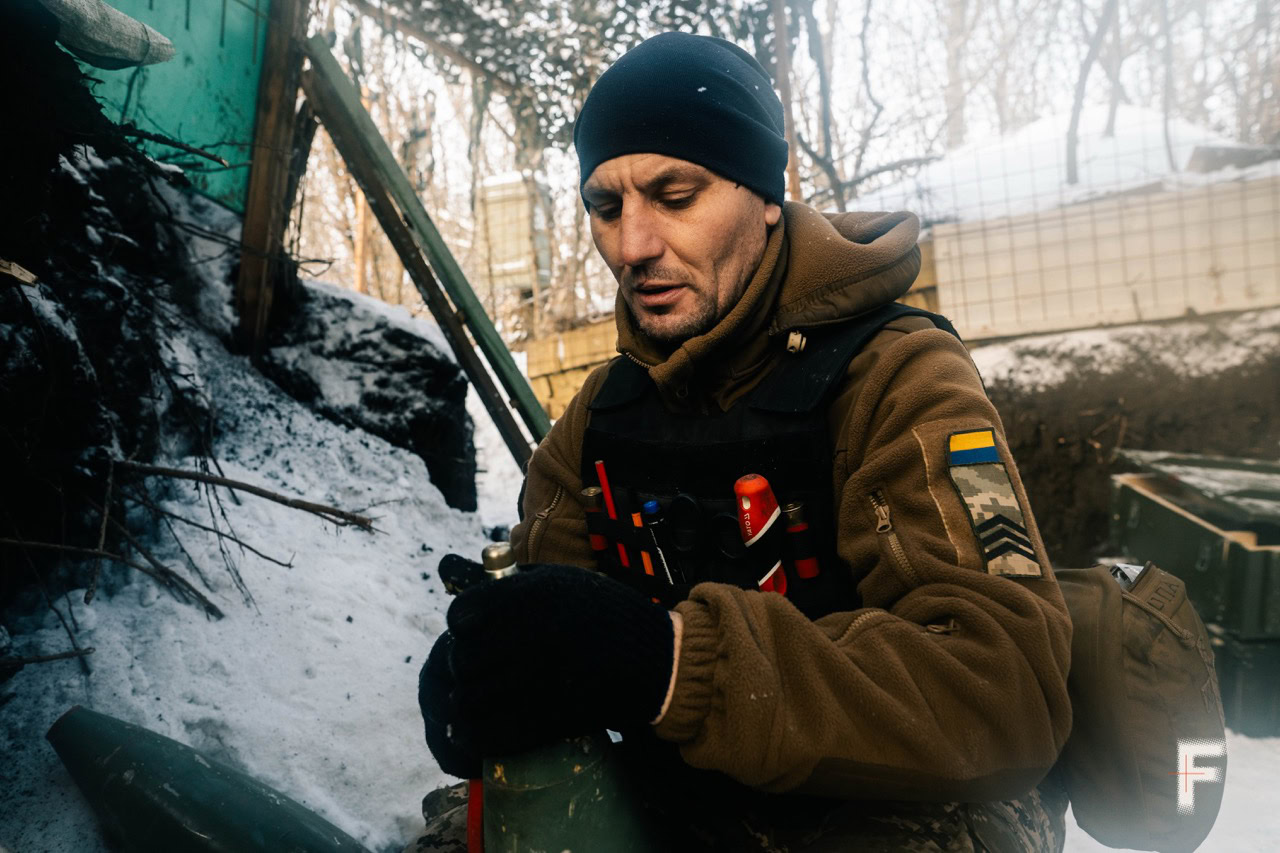
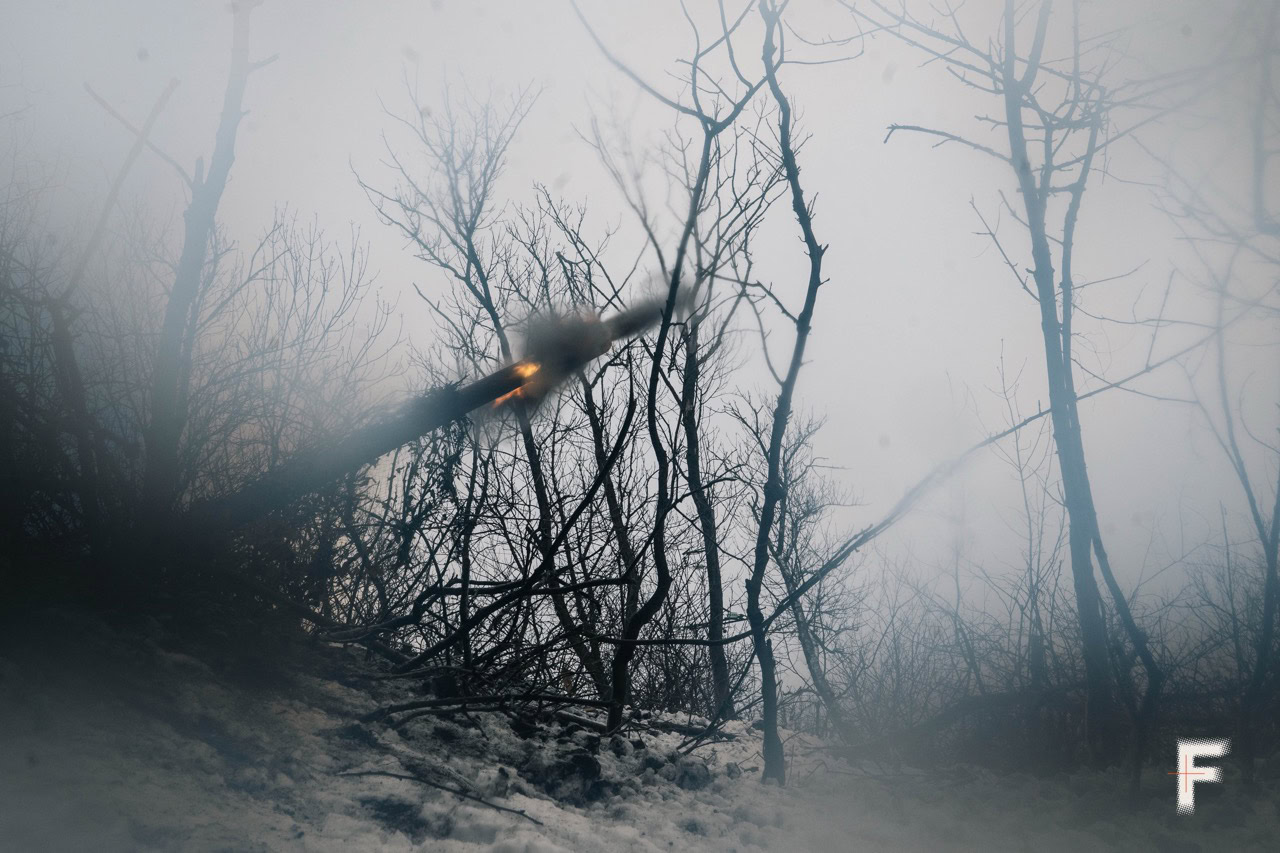
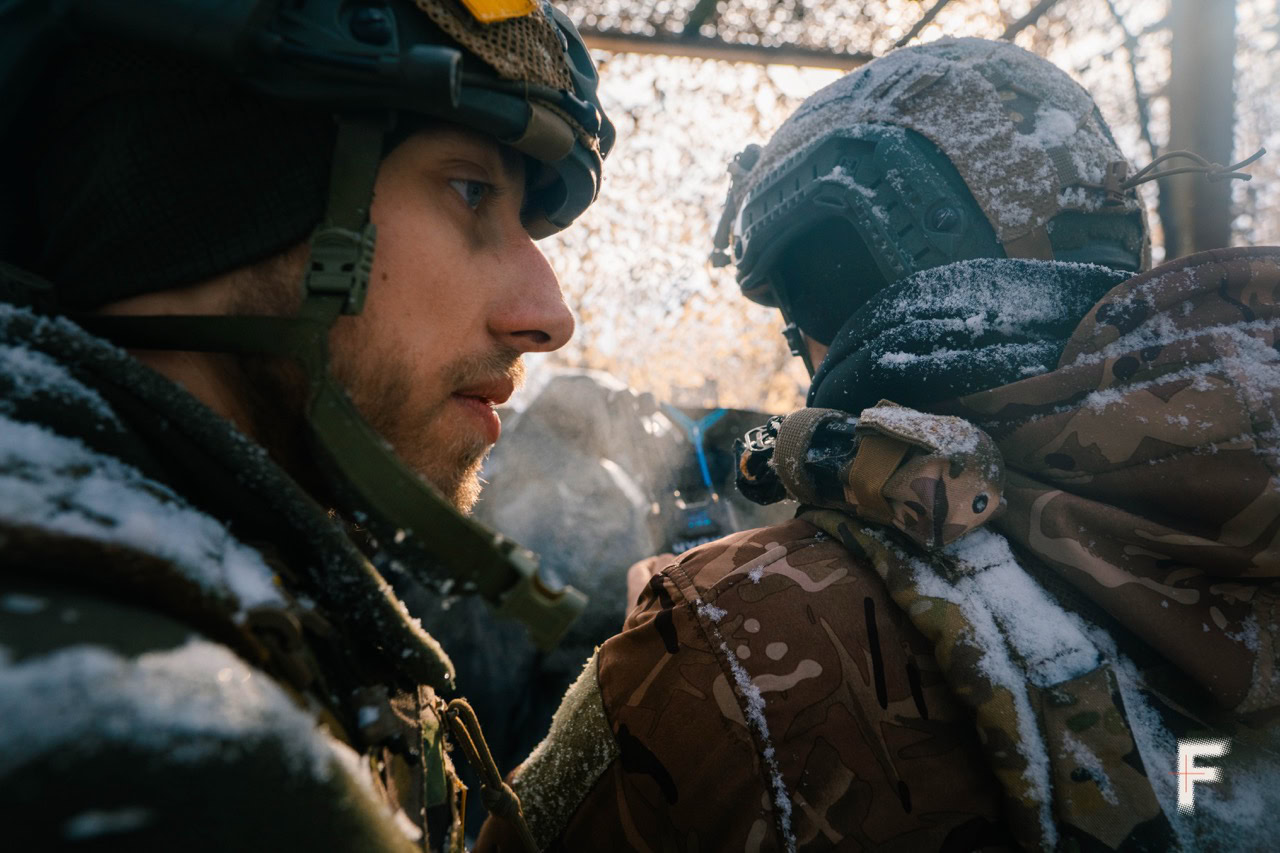
Procedures during a mass drone attack vary depending on the equipment in use. If a system is too large to be quickly withdrawn, the priority is to evacuate personnel. In some cases, crews may destroy their own equipment to prevent it from being captured by Russian forces.
After an attack, crews assess whether the system remains operational and, when possible, restore shelters and camouflage. Continued work from the same position, however, becomes significantly riskier, as Russian forces may maintain constant surveillance using reconnaissance drones.
-
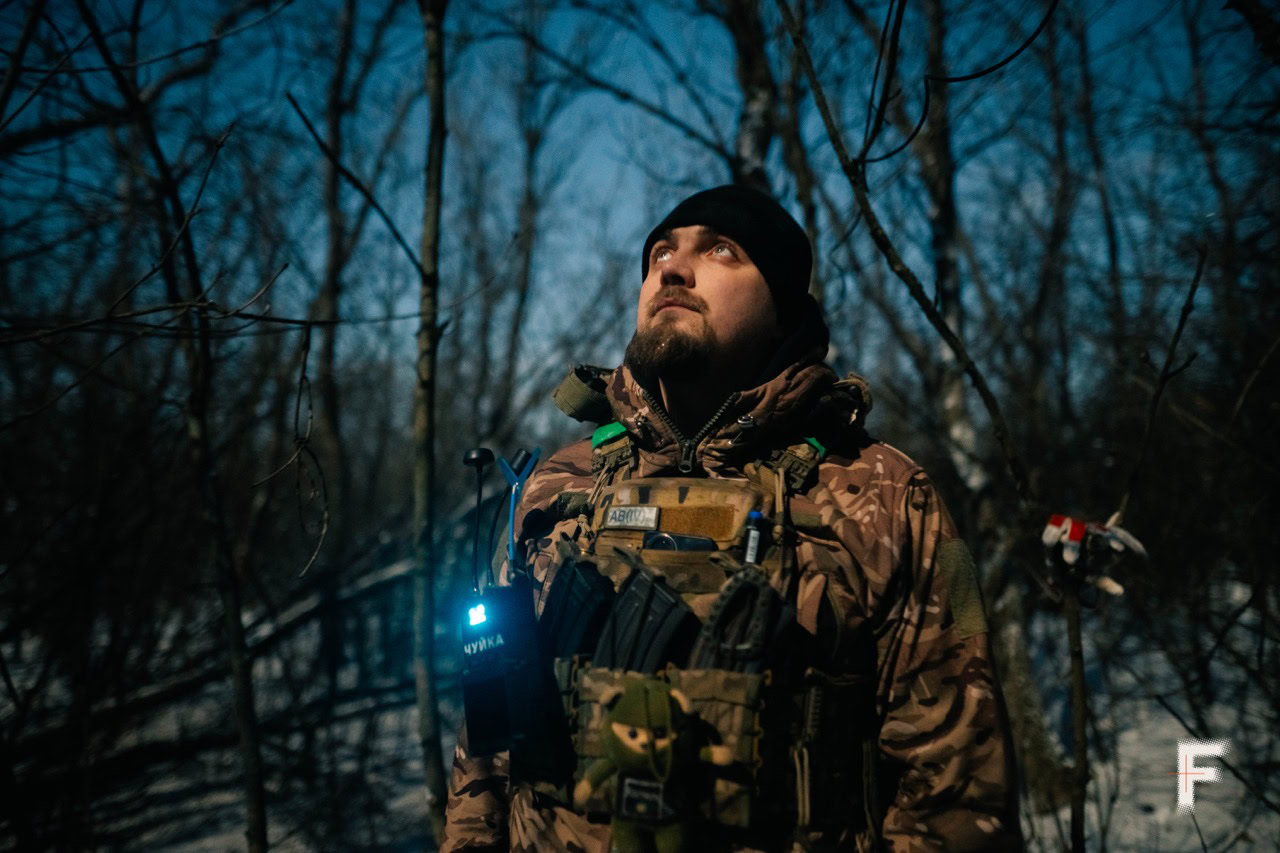
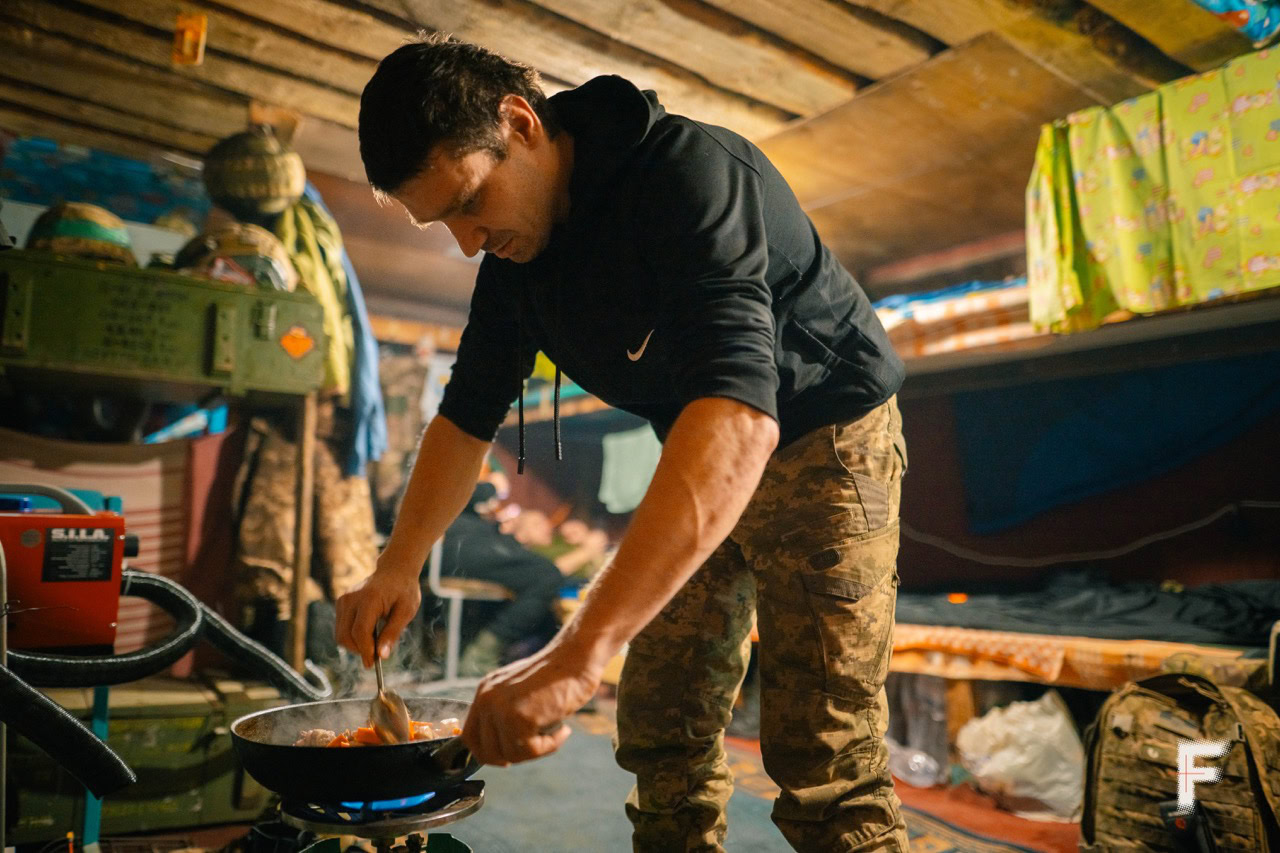
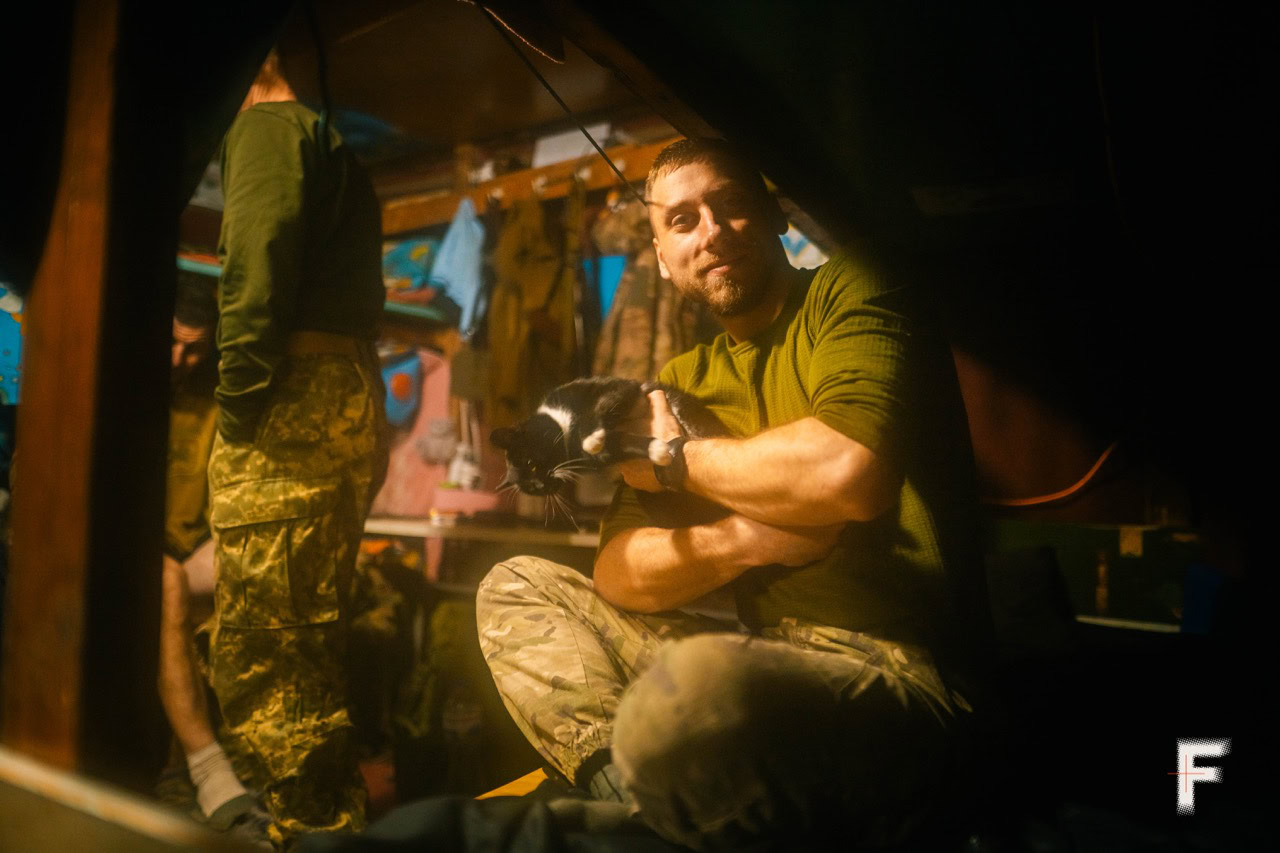
Artillery troops of the 152nd Separate Ranger Brigade carry ammunition, Pokrovsk district, Donetsk region, Ukraine, Jan. 1, 2026. Marharyta Fal / Frontliner

-
Artillery troops of the 152nd Separate Ranger Brigade carry ammunition, Pokrovsk district, Donetsk region, Ukraine, Jan. 1, 2026. Marharyta Fal / Frontliner
-
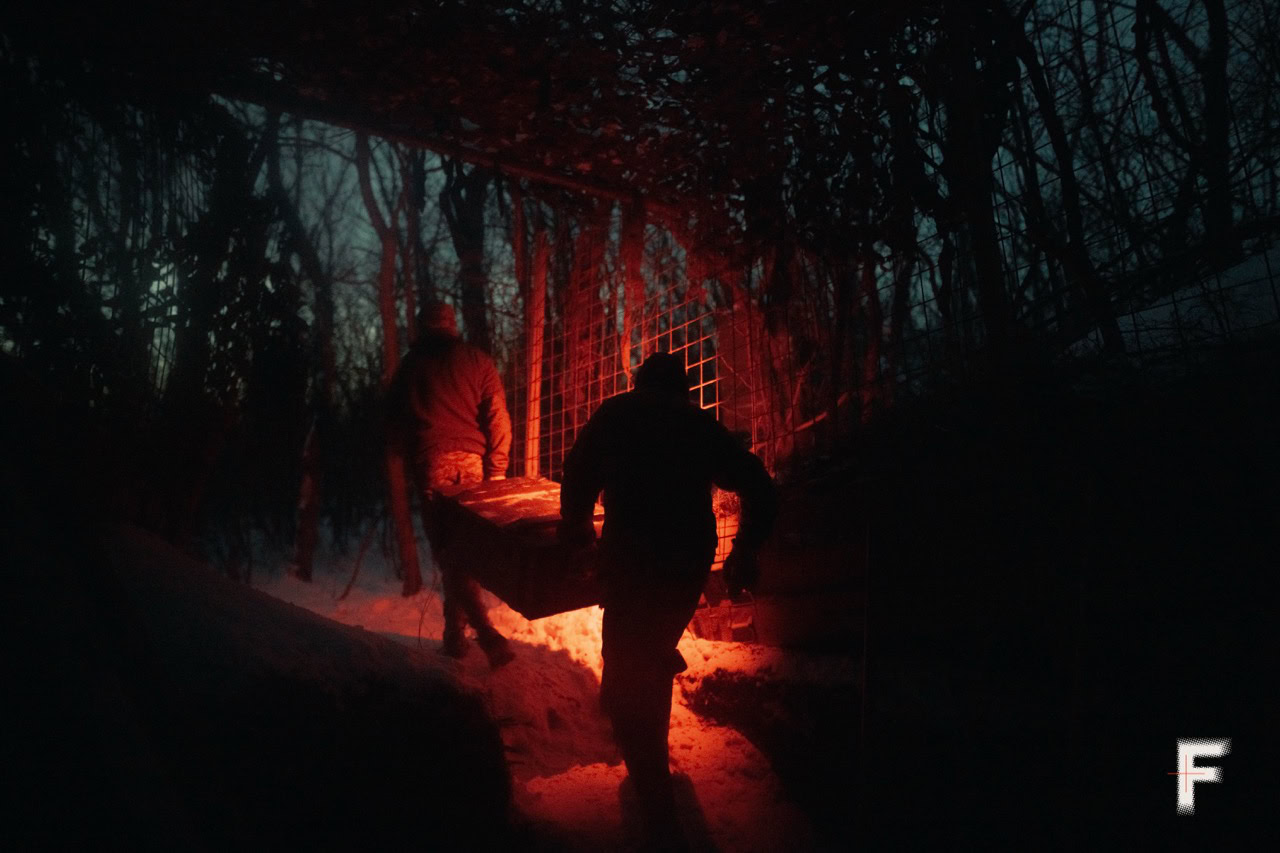
Artillery troops of the 152nd Separate Ranger Brigade carry ammunition, Pokrovsk district, Donetsk region, Ukraine, Jan. 1, 2026. Marharyta Fal / Frontliner

Author: Marharyta Fal
Adapted: Kateryna Saienko
Read more — Old weapons against new Russian tactics: how the 1129th regiment protects Kyiv’s skies
